A mobile game and creatives for social media
The clicker that gathered the audience for everything else
The first CIX product that actually shipped. A clicker inside Telegram, built to gather the crowd we’d later show everything else to.
- Game UI
- Visual design
- Creatives
What I did
The game interface and the visual language behind it. Screens, states, the look of every mechanic.
Running alongside all of it, the social creatives. We needed a lot of them, week in week out, because a game lives on attention and attention has to be fed.
CIX TAP
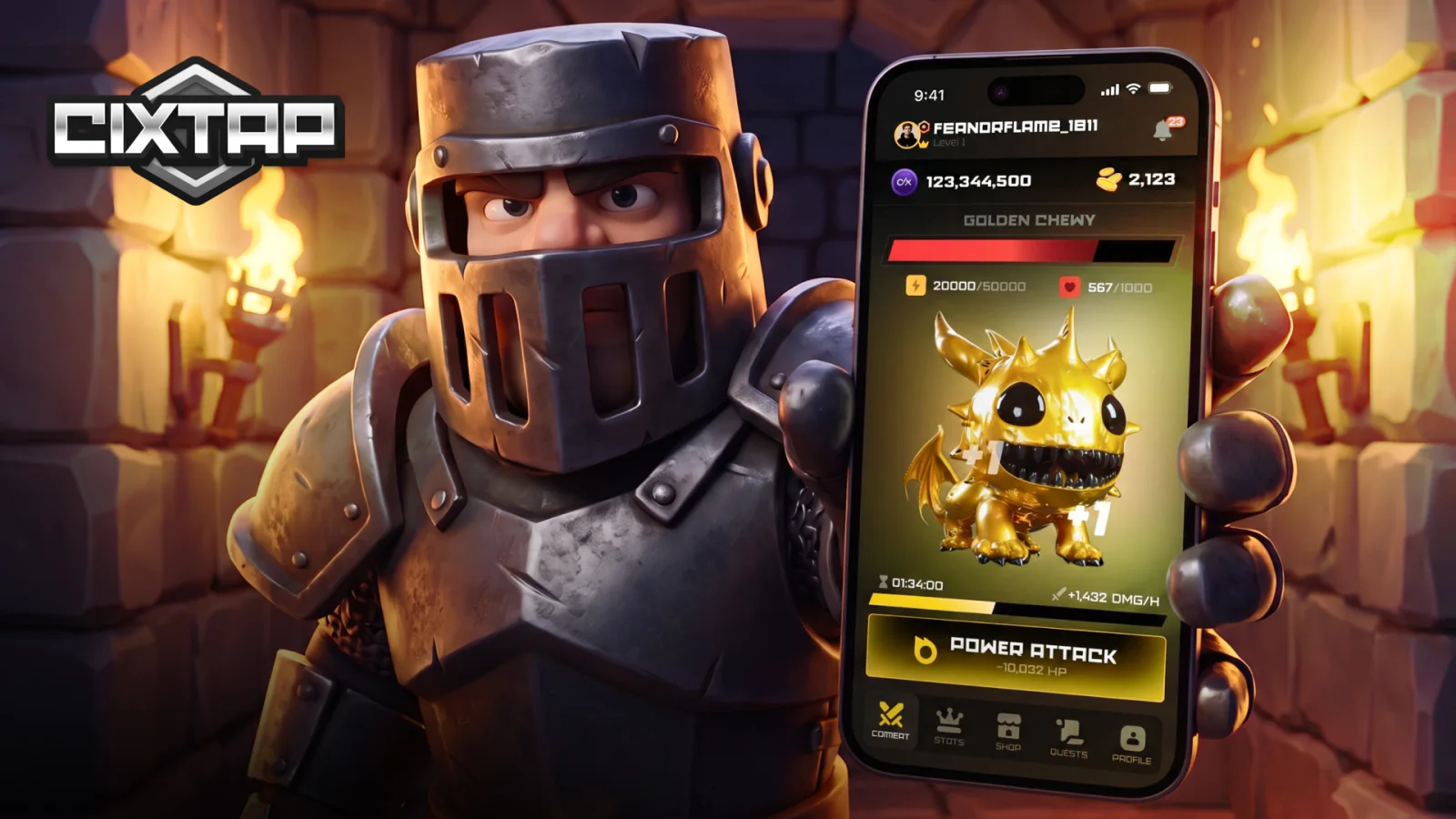
A clicker inside Telegram. You tap the creature, upgrade your damage, collect the reward. The first thing the company ever actually launched.
There’s an economy sitting on top of the clicker: a store, clans, a referral programme, and a way to withdraw what you earn.
Why it existed
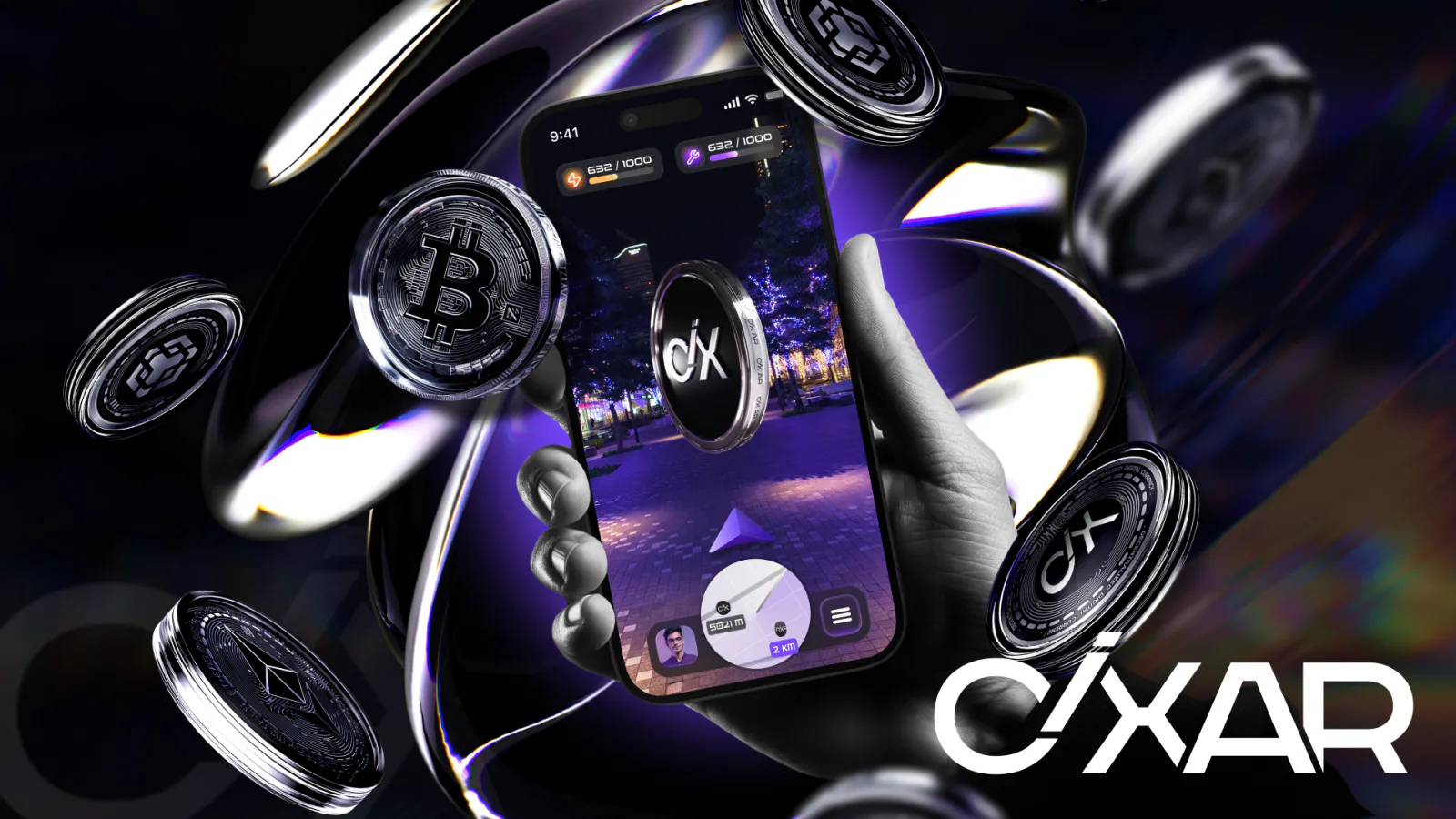
The rest of the CIX ecosystem existed almost entirely on paper. The clicker was the one place you could actually touch it.
The crowd we gathered here became the people we later showed CIX AR and everything else to.
See the CIX AR caseThe screen map
The clicker looks simple, and underneath it sit around sixty screens and fields: profile, leagues, store, quests, and a referral programme with a structure of its own.
I rebuilt the diagram for this page so nobody has to squint at a screenshot. Click it, then the wheel zooms and the mouse drags.
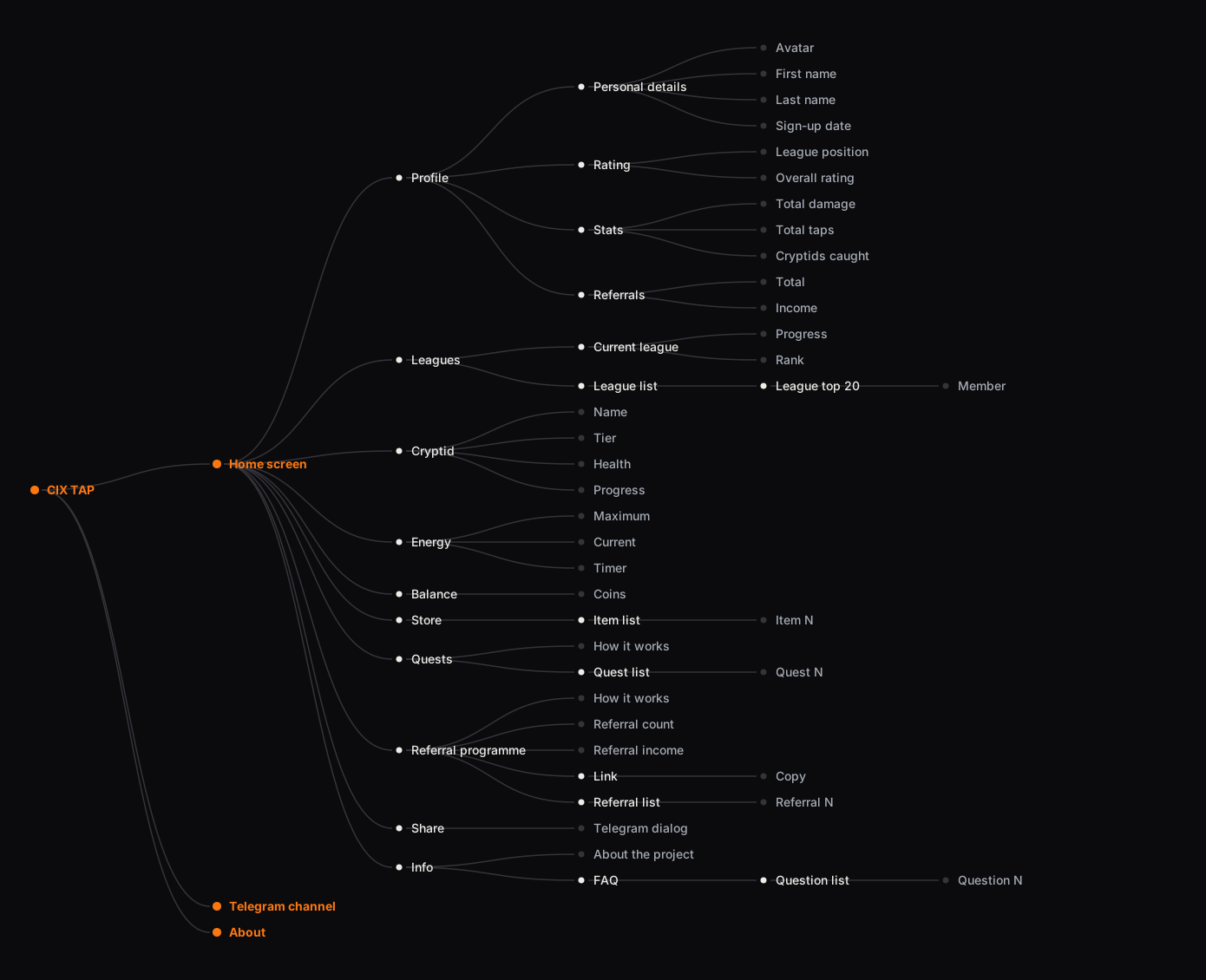
Click to zoom with the wheel
The main screen
It’s one screen, and it never looks the same twice. The hero sets the colour and everything else follows: the health bar, the energy strip, the glow around the creature, the attack button.
So you know what you’re up against before you’ve read the name. Switching hero feels like the scenery changing.
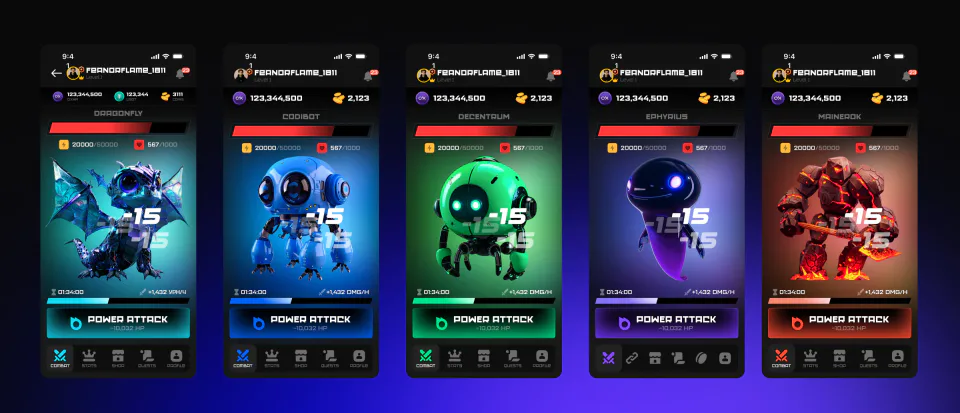
Three states of a fight
The clicker rests on three moments, so those are the ones worth showing. The rest is the same screen with different numbers in it.
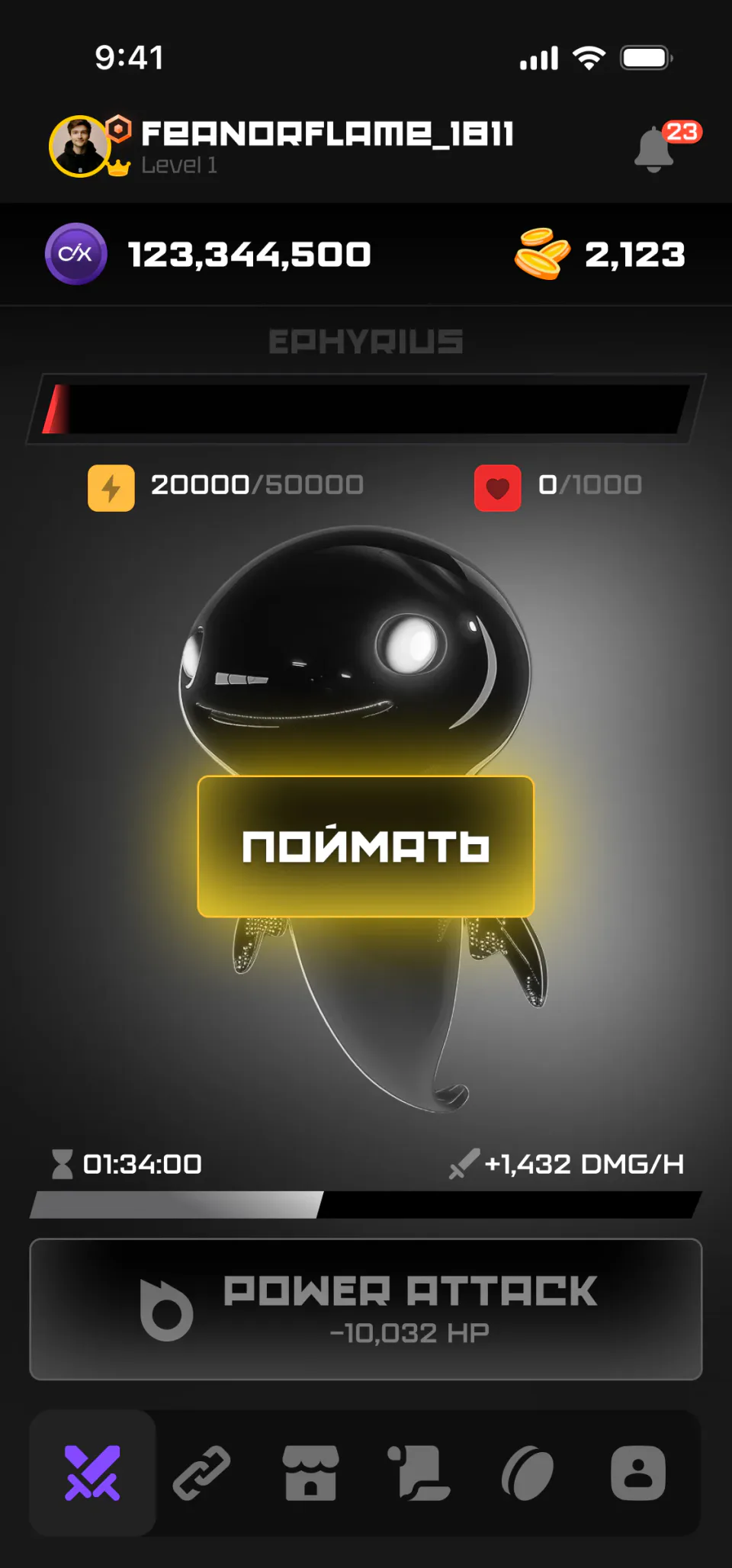
The only colour left on a grey screen. The creature is down, the attack switches off, and one button stays lit. You can’t miss it.
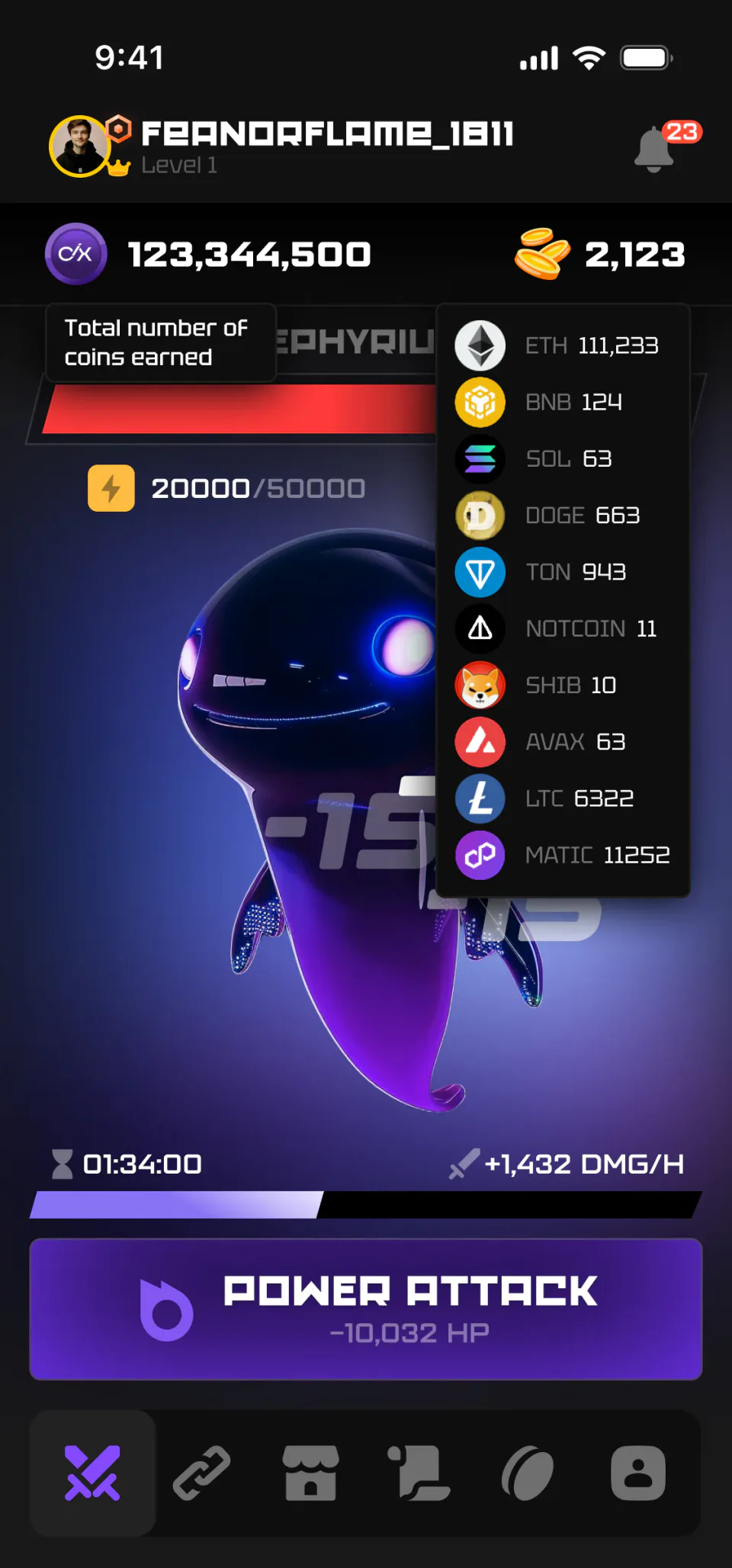
The counter opens into everything earned. Ten coins, each with its own mark: the numbers alone don’t tell them apart.
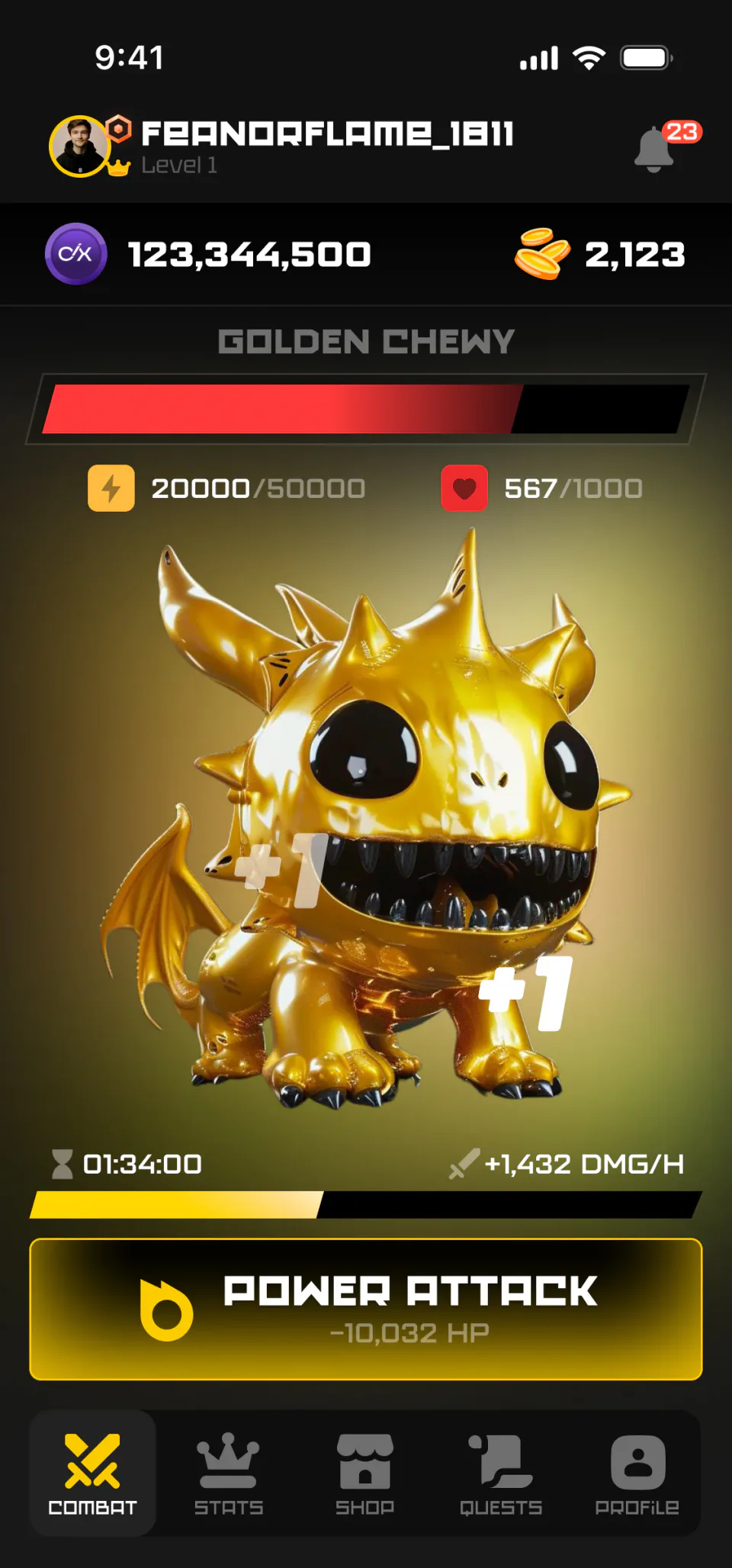
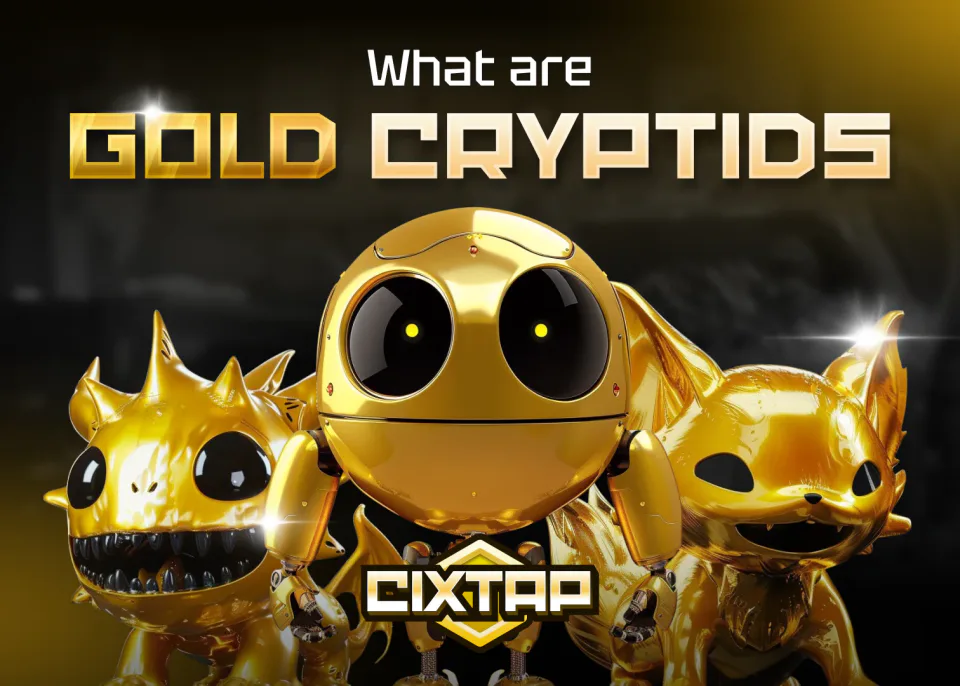
A golden hero, roughly one in every ten. It drops real crypto, which is why the whole screen turns gold here and not just the creature.
Twenty creatures, six colours
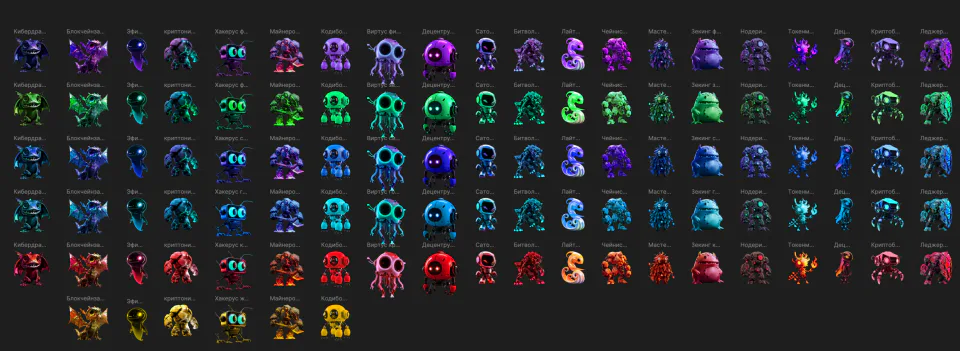
Twenty creatures, each recoloured to match the hero. Five colours cover everybody: blue, cyan, green, purple, red. The sixth one is gold, and not everyone got it.
The frame comes straight out of the working file, clipped layer names and all. You can see the volume of work without anyone dressing it up.
Recolouring was an MVP decision. The library fills up five times faster than modelling every creature from scratch, and players still get the scenery changing on them. There’ll be more creatures later, and recolouring will stay one trick among several.
Colour built as a system
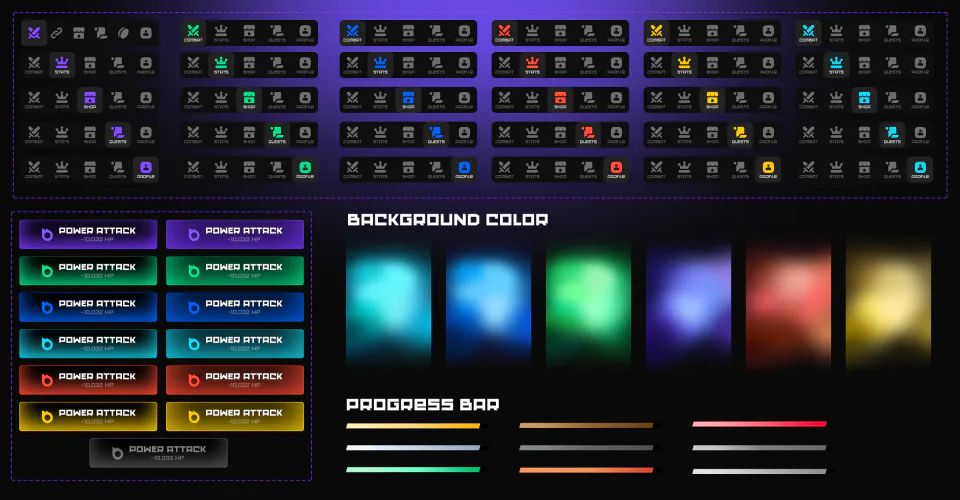
Six colours, each broken down into states. The tab bar alone comes to thirty combinations, six colours across five active tabs. The attack button has two states per colour, plus a dimmed one for when there’s nothing left to hit. And every colour brings its own background and its own progress bar.
All of it runs on components with variants. Change the hero’s colour and the interface rebuilds itself. By hand this would never hold, a slip would show up on the first new palette.
Again straight from the working file, dashed frame boundaries and all.
The upgrade windows
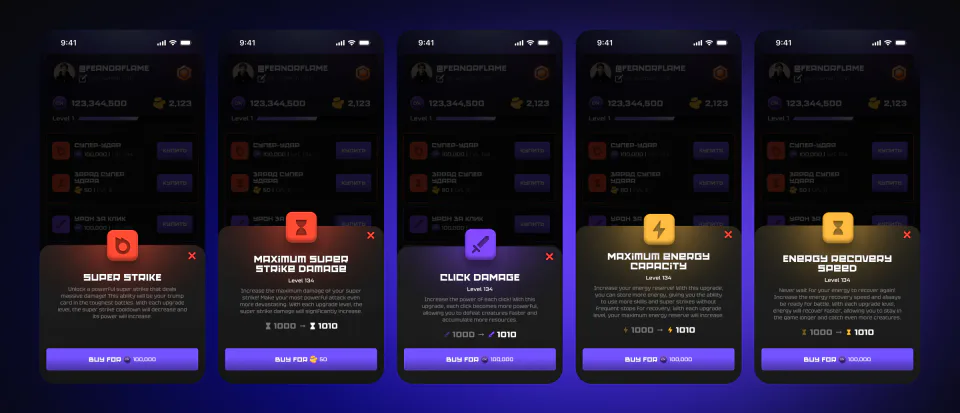
Everything you buy lives in one window. An icon, a name, a level, an explanation, a price. From one upgrade to the next, only the colour and the numbers change.
The line that matters is before and after. People are paying for a number to go up, so show them the number. A paragraph of text explains nothing here. An arrow, the old value on the left, the new one on the right, in the colour of the upgrade.
There’s one exception, the super strike. You unlock it outright, with no upgrades, so it has no before and after. Putting a pair of values there would be a lie.
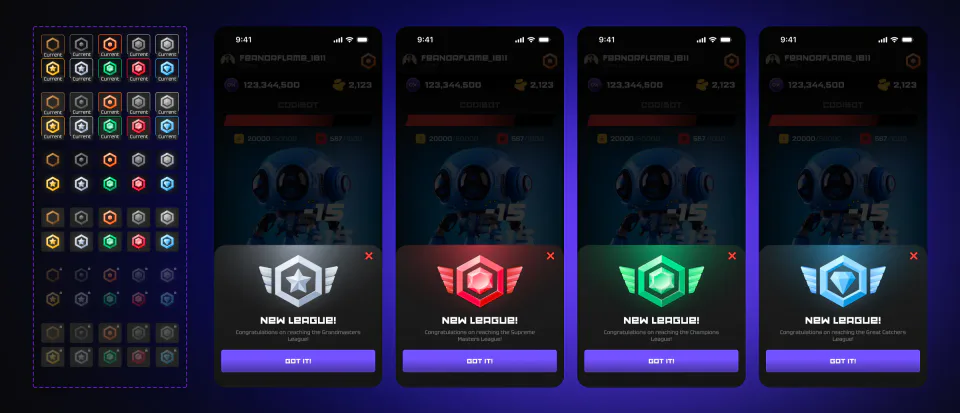
Leagues
Leagues give you something to chase beyond a single fight: a place in a table on top of a damage counter.
The badge is a component with states. The current one is outlined, the ones behind you are open, the ones ahead are locked. You can see where you stand without reading a number. Moving up gets a window of its own.
The personal cabinet
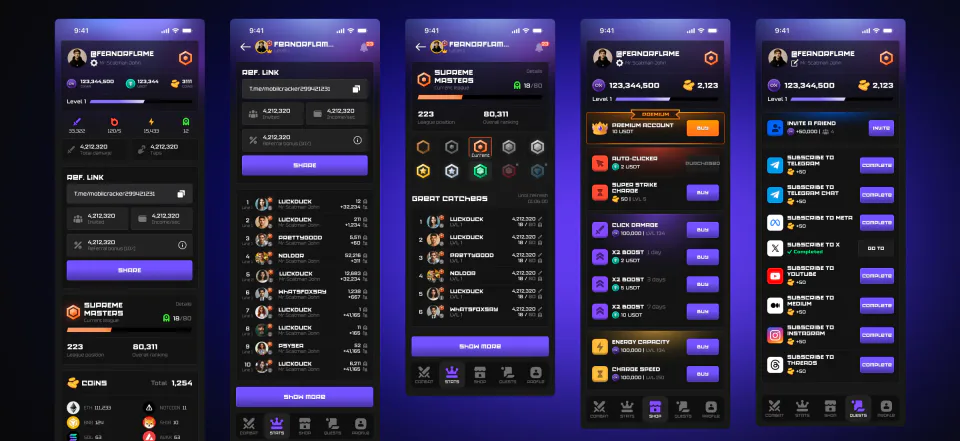
Everything that isn’t the fight sits under the tab bar. Profile, referrals, leagues, store, quests. The whole economy of the game lives in there.
The referral system. Every player gets a link of their own, copied in one tap. Next to it: how many people they’ve invited, what those people bring in and what the bonus percentage is. Below that, the full list split by line, with the income from each.
Leagues. You move up into a league and then climb inside it, shown as a bar. Next to it, the rating, your place in the league and your place overall, plus the table of everybody else.
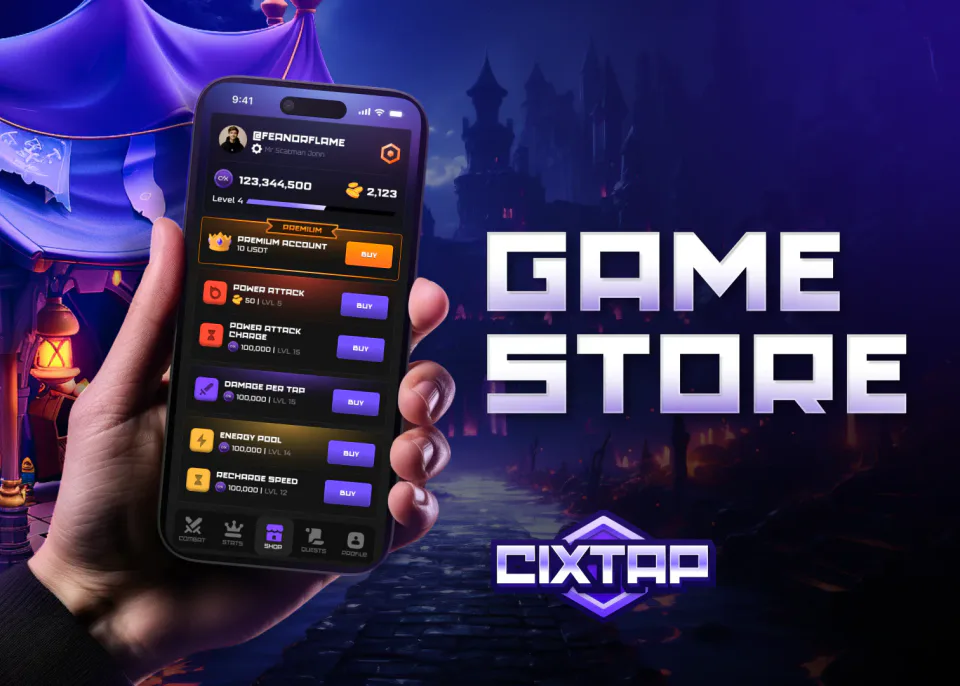
Store and quests. The store sells upgrades and boosts. Quests pay out for subscriptions and invitations, and anything you finish gets ticked off straight away.
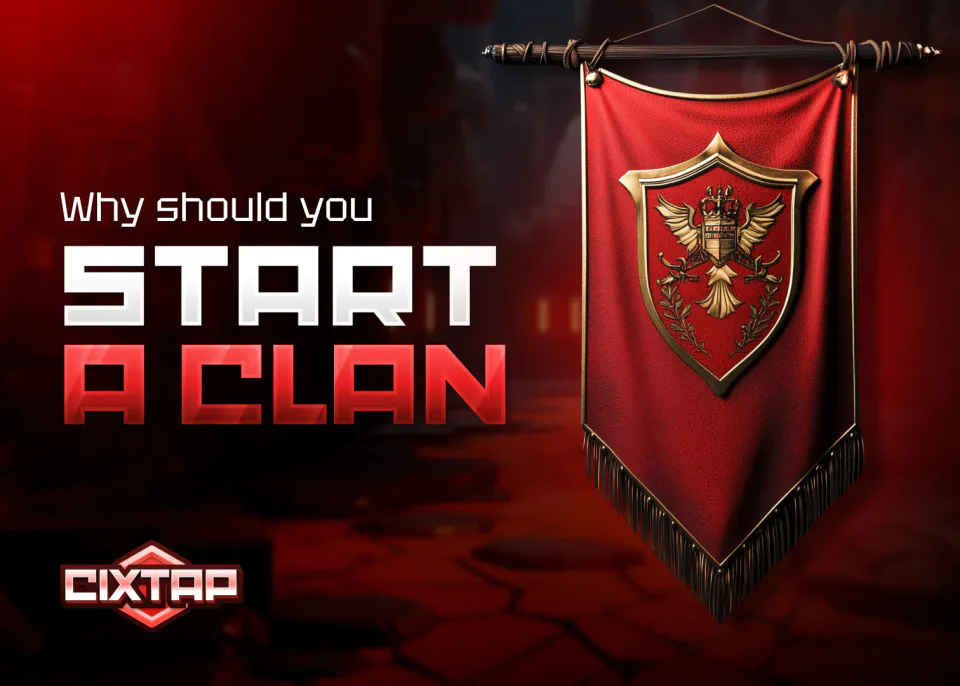
Clans
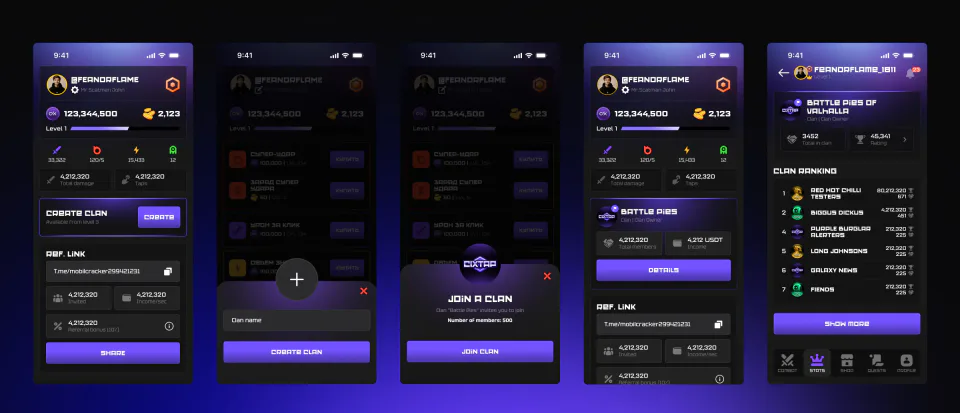
Clans add what you can’t get playing alone. Team up, gather people, earn off them.
Starting one. You create a clan yourself, from level three. A name and an avatar, and it joins the overall rating.
Invitations. An invite turns up in a window of its own, with the clan name and how many members it has. Anyone who joins counts towards the clan’s income.
One slot, two states. With no clan, the profile shows a create button. Once you have one, the same slot holds a card with the member count and the income.
Inside the clan
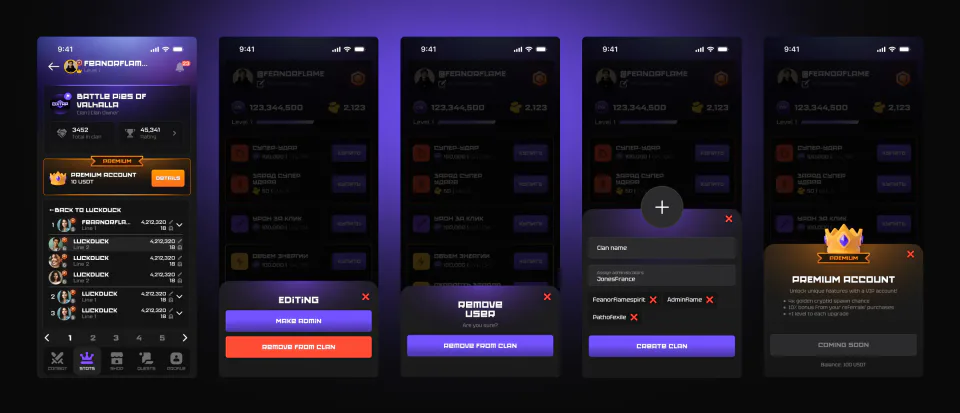
Inside a clan the referral tree runs two levels deep. A first-level row unfolds into the second, so you can see who that person brought in and how much came back. Clans run into thousands of people, so the list is paged.
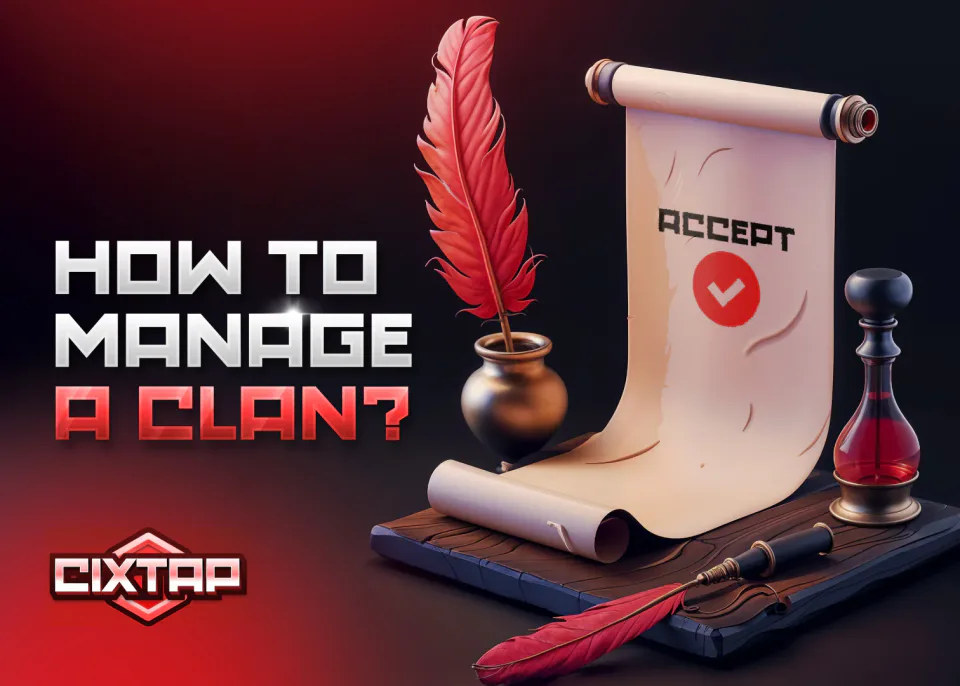
Management. Tap a member and two buttons open: make admin, remove from clan. They differ in weight and colour, and removing someone asks again before it goes through.
Admins. Whoever you’ve appointed sits there as a chip with a cross, all of them visible at once. Rights come off in the same place they went on.
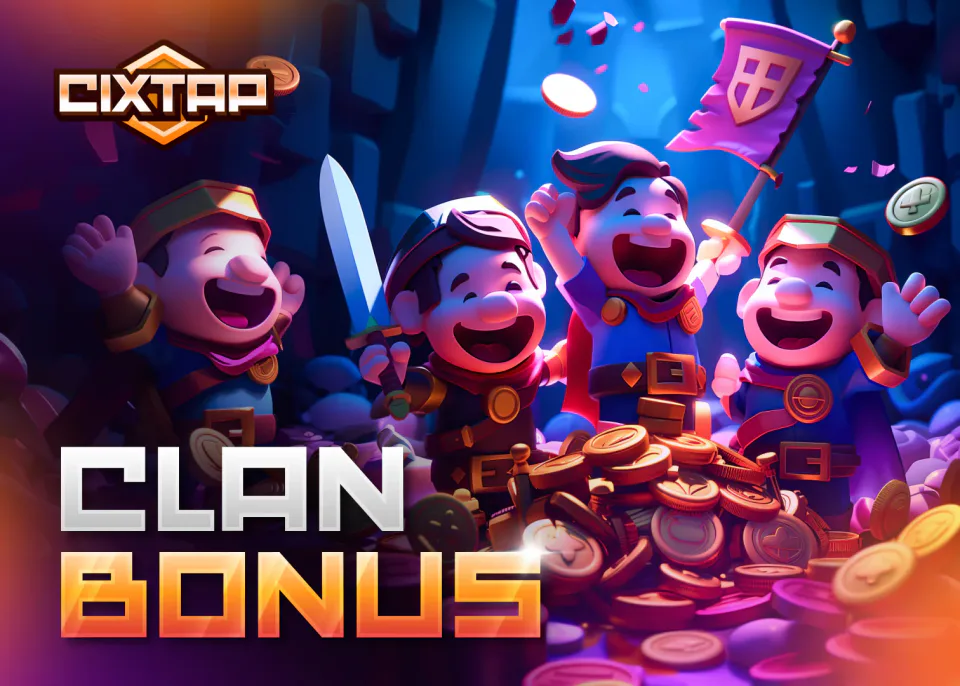
Premium. It sells itself on numbers: four times the golden cryptids, ten per cent of whatever your referrals buy, and an extra level on every upgrade.
Creatives for social media
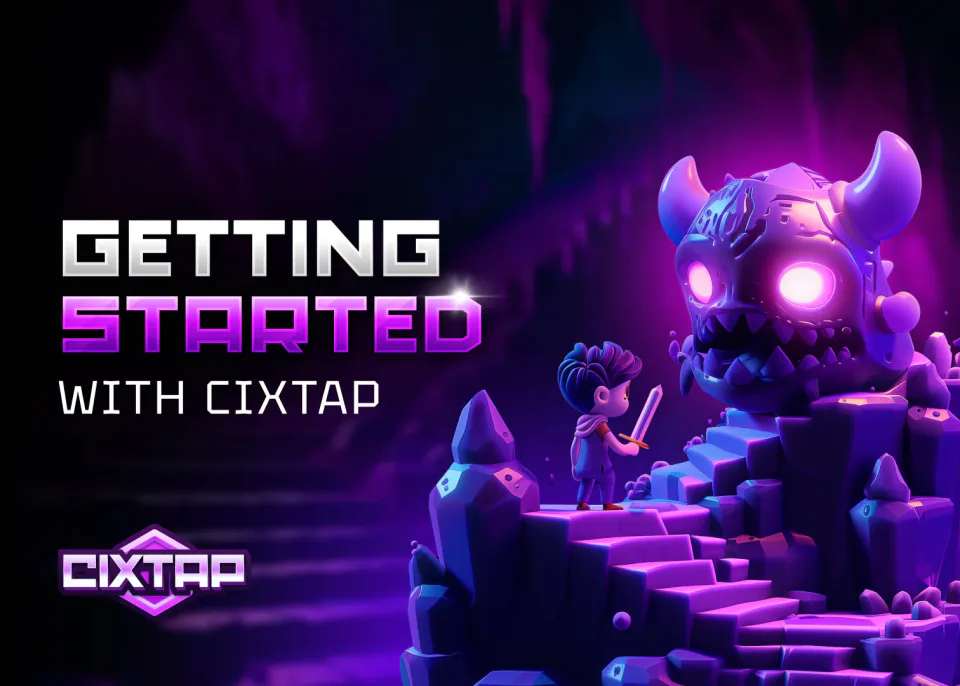
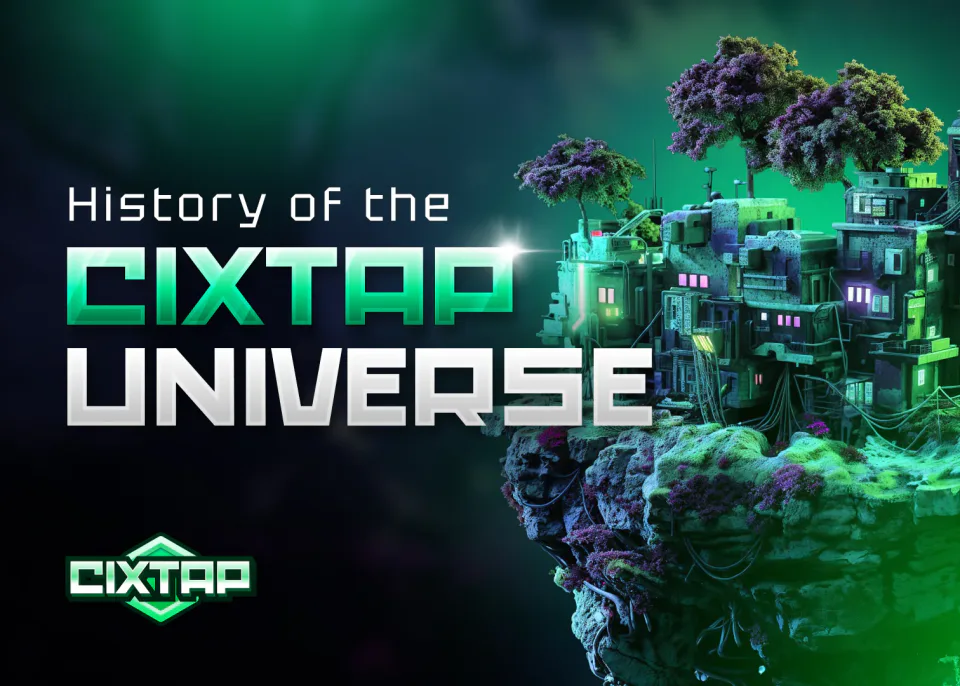
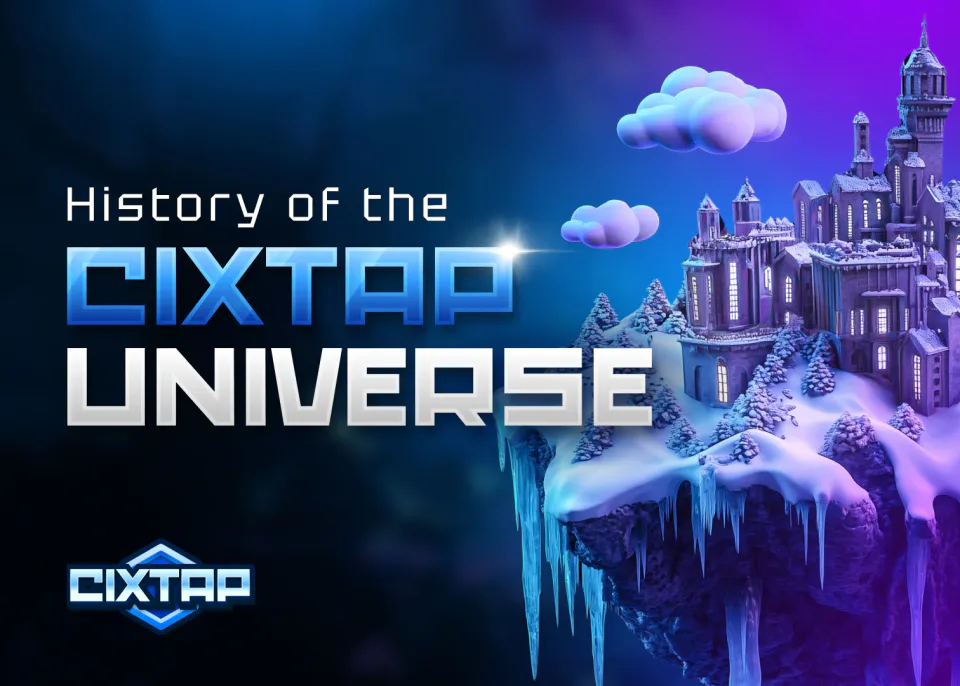
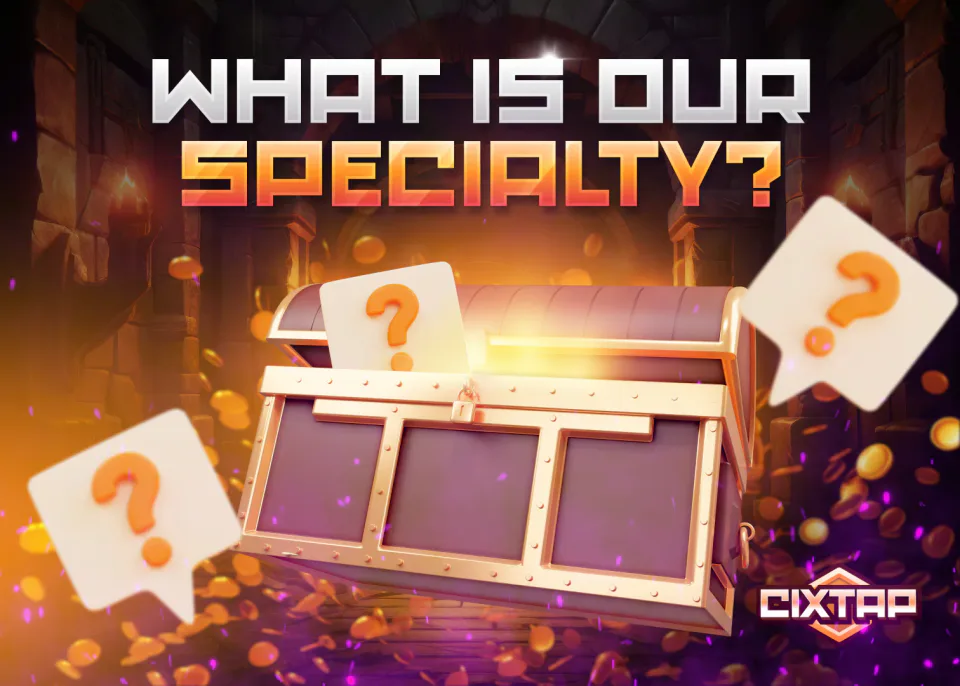
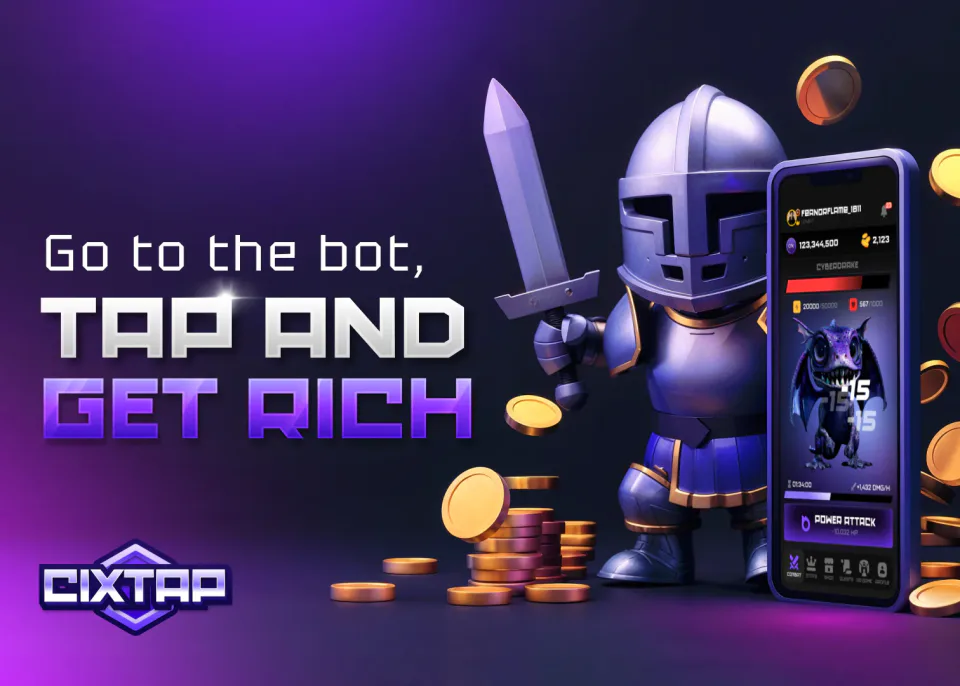
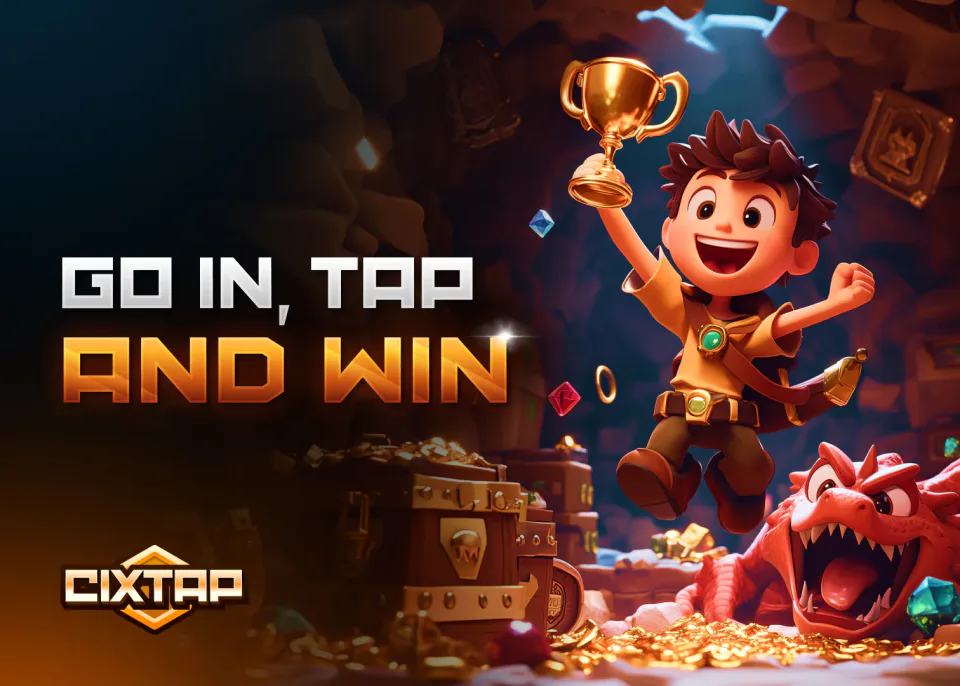
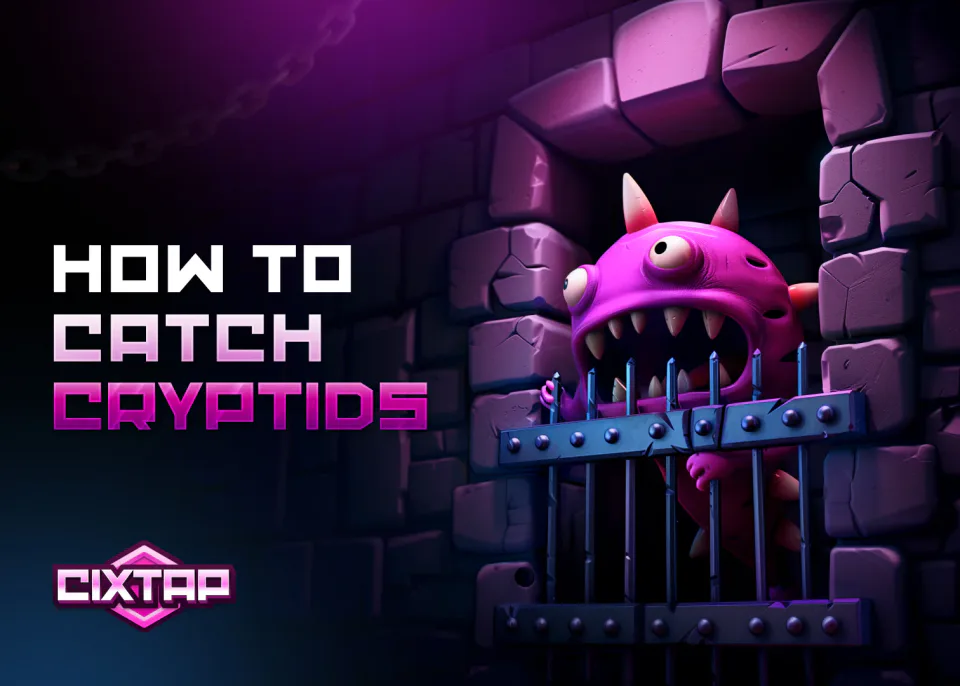
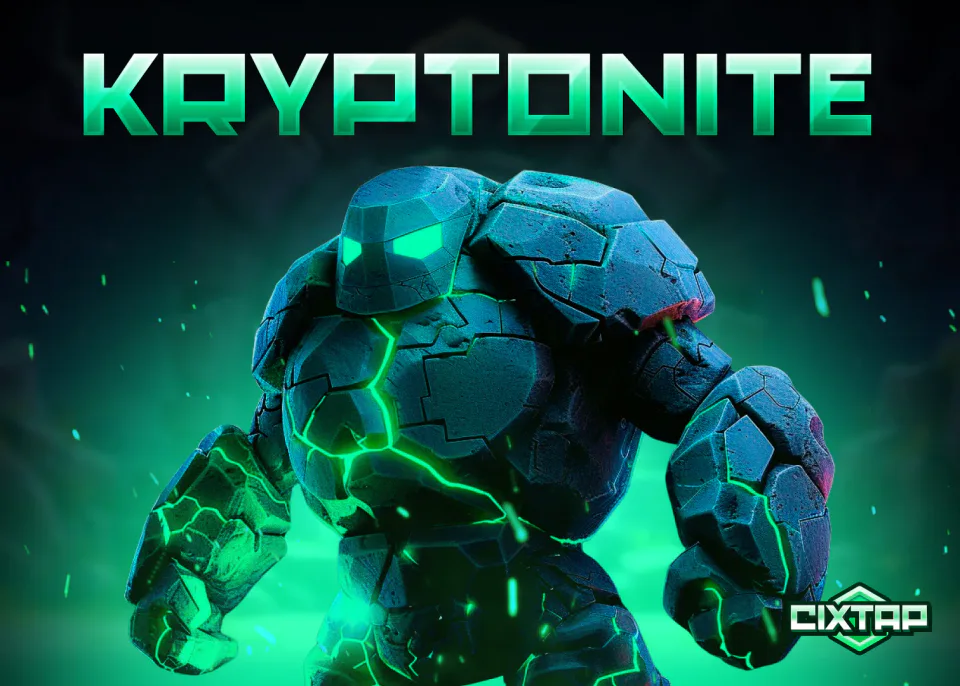
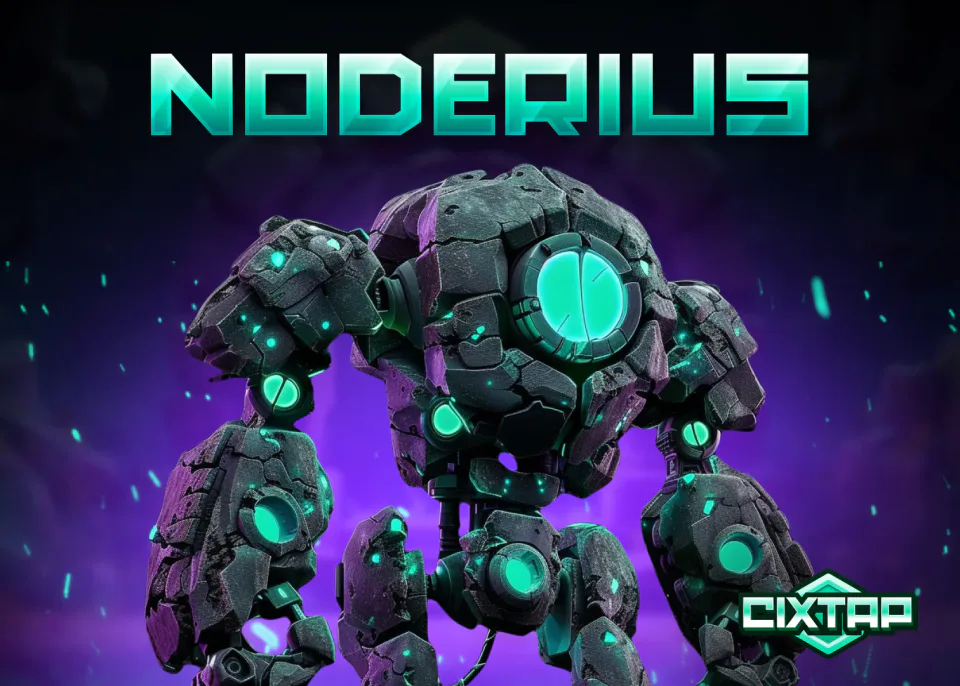
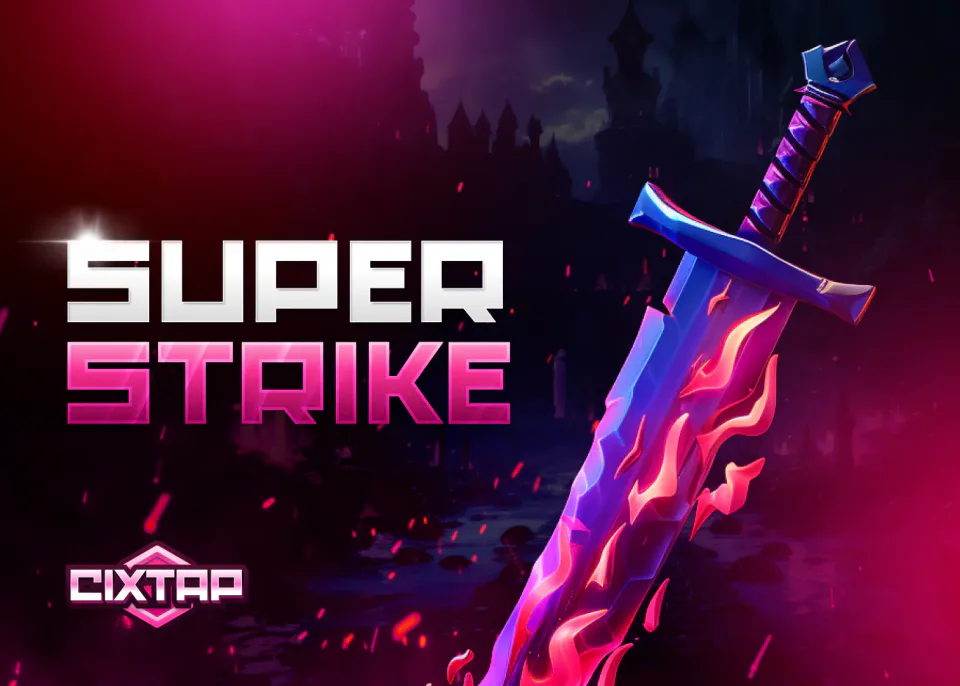
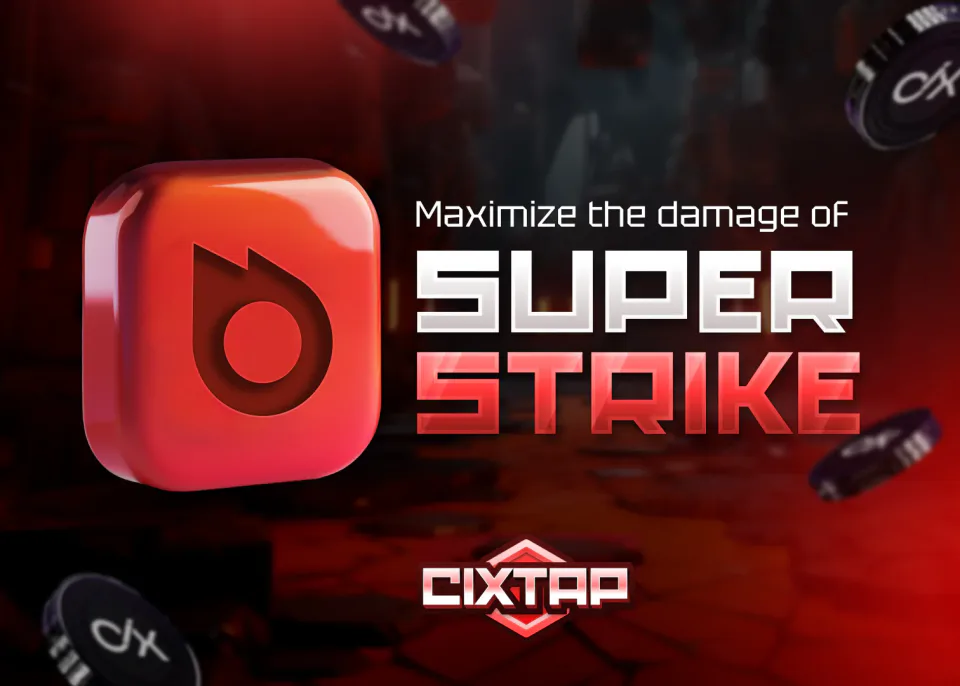
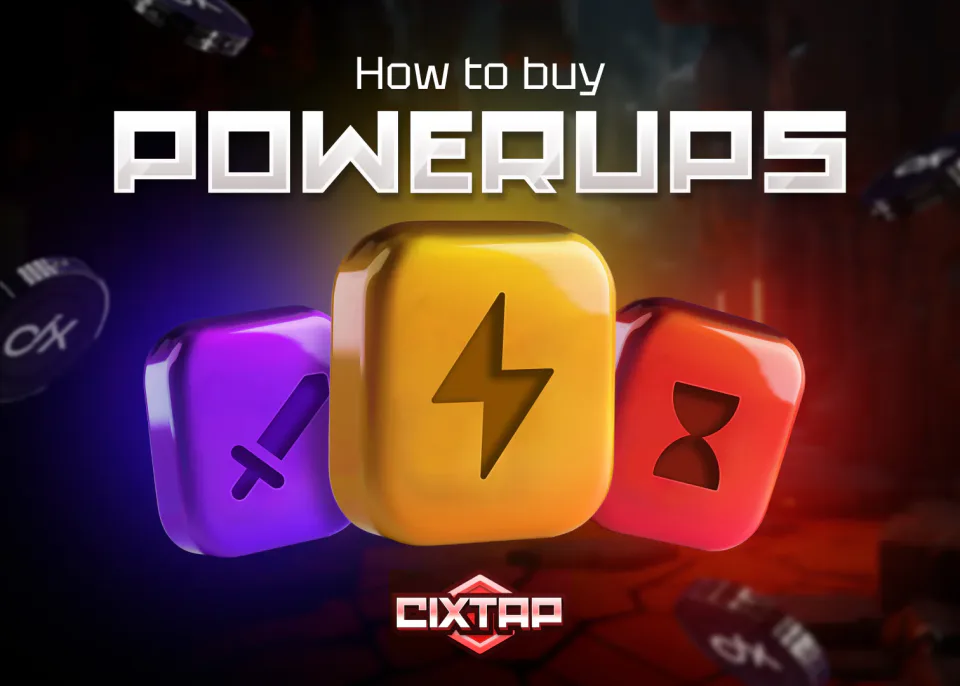
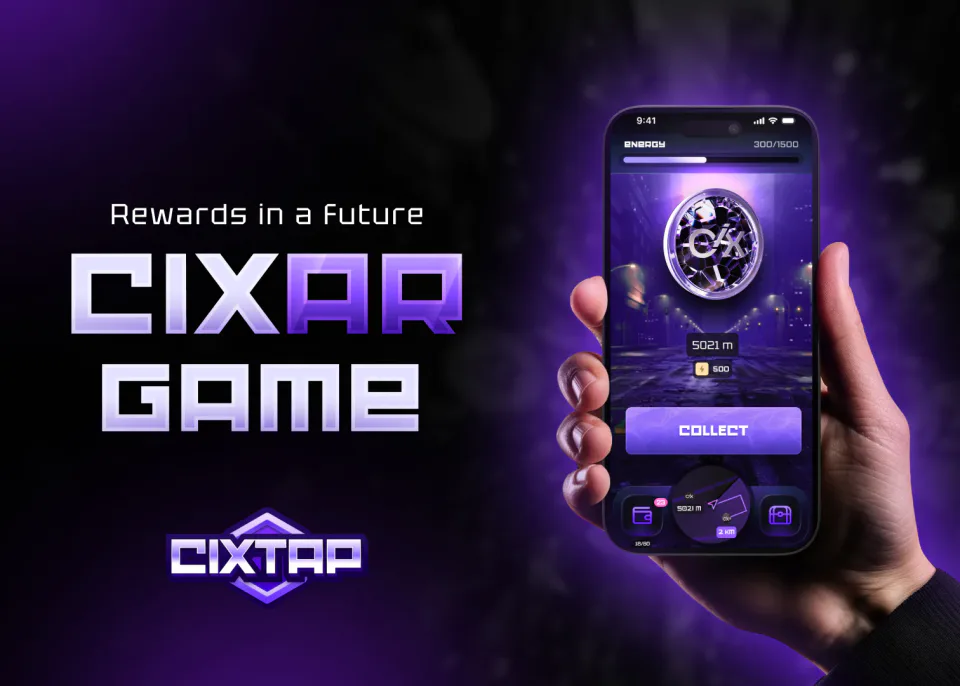
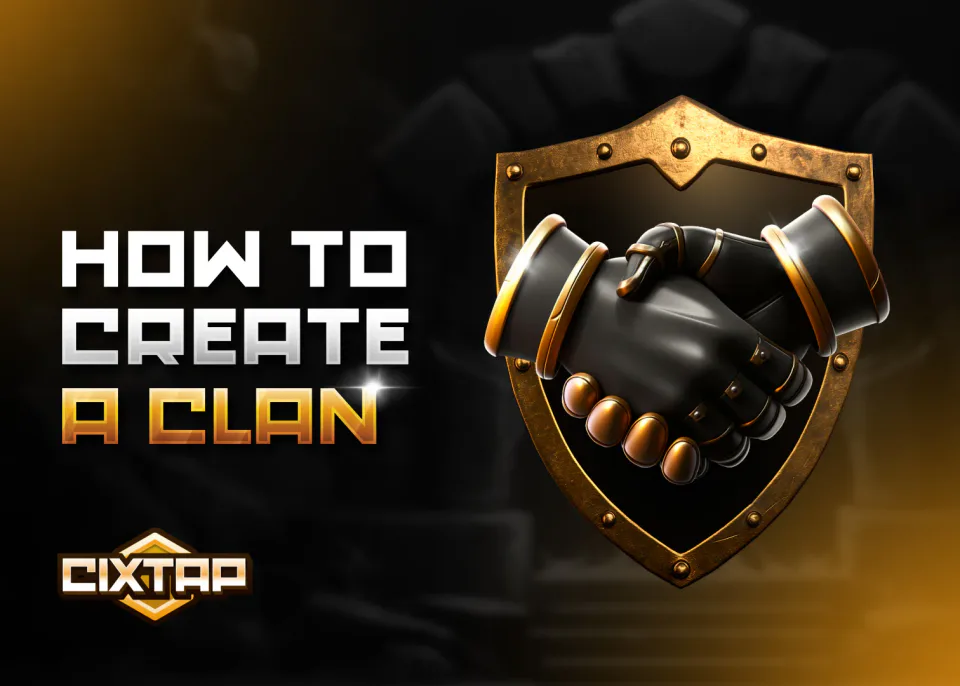
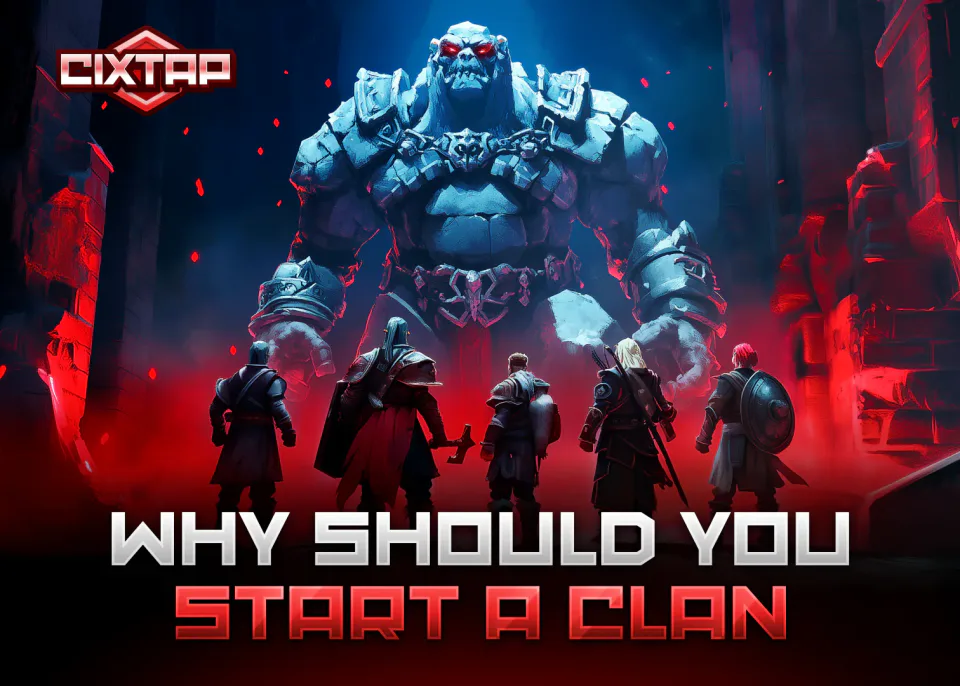
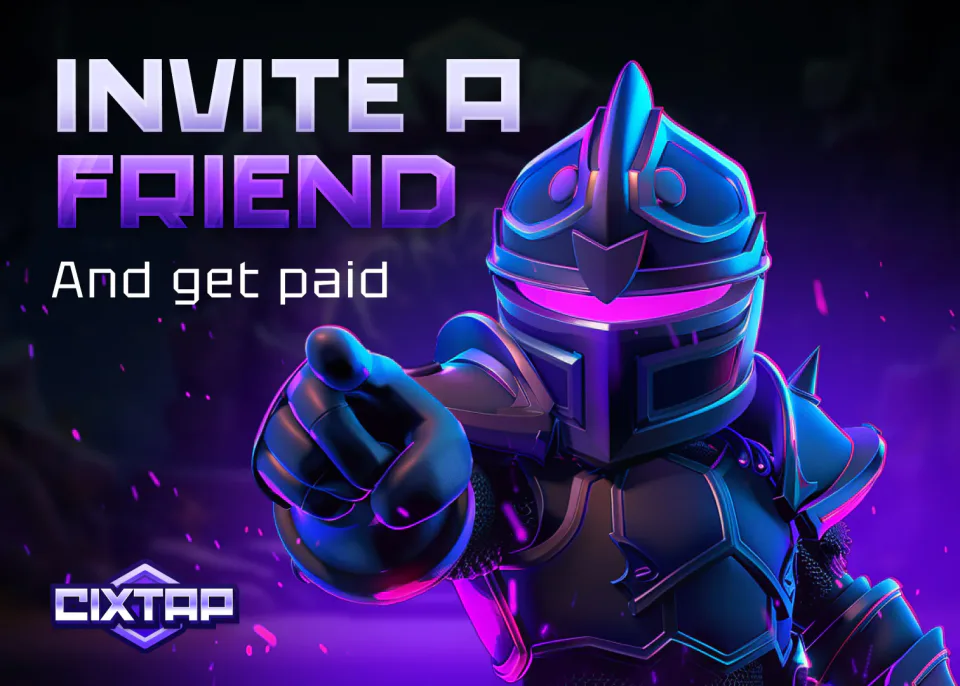
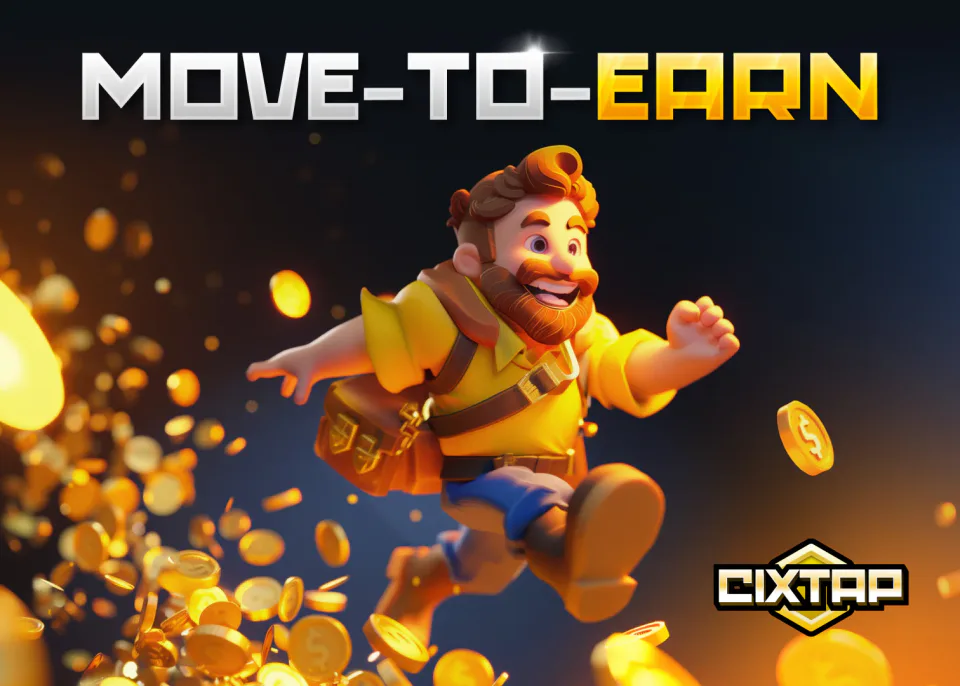
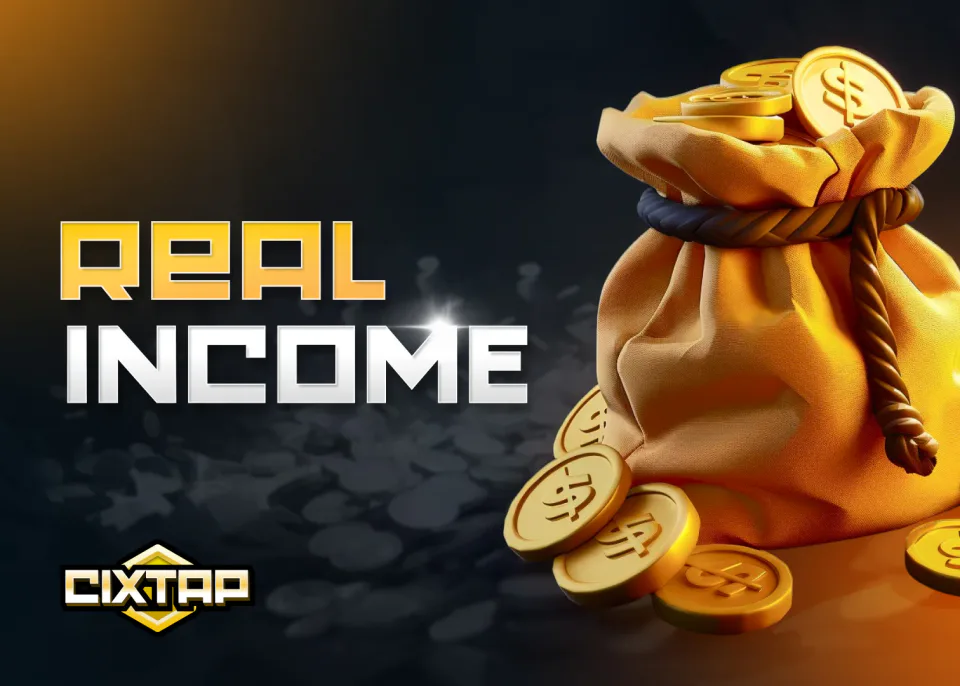
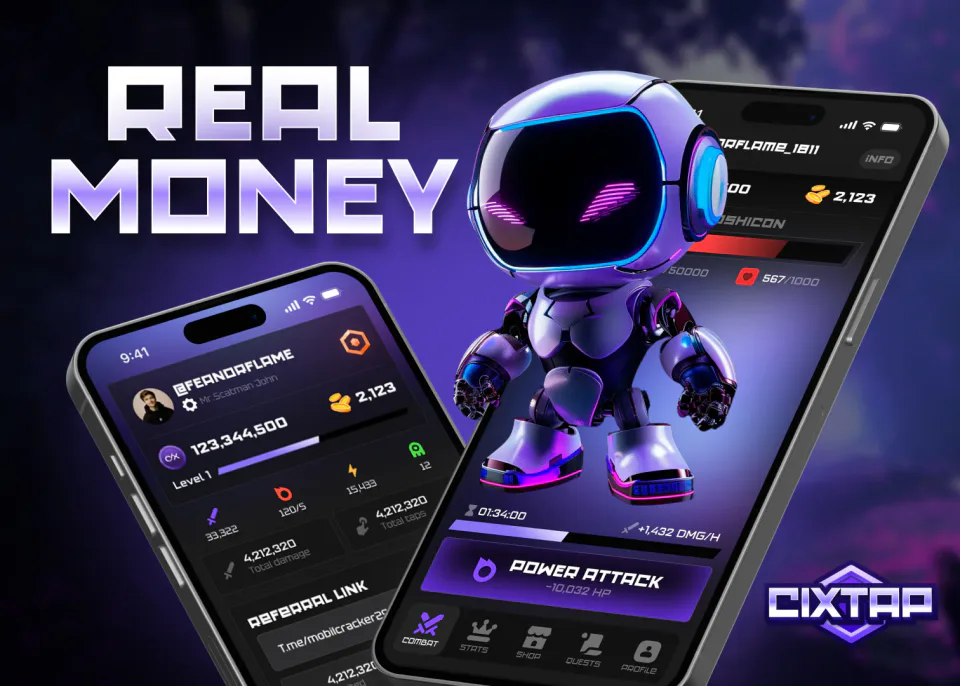
Every post explains one thing and nothing else. A big headline, one hero in frame, the game’s mark in the corner.
Twenty-eight posts on one grid, with the colour left free to come from whoever’s in the frame. The series is recognisable in a feed without turning monotonous.