Dmitrii Tuvakov
0%
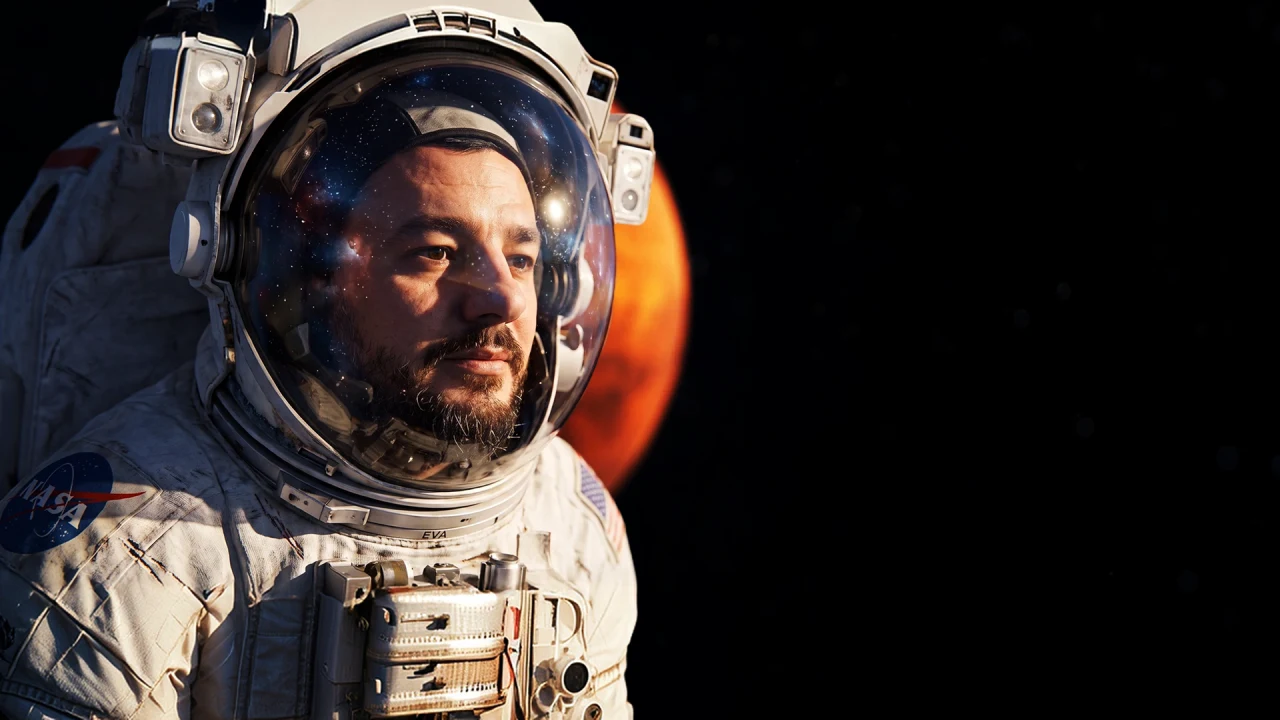
HEAD OF DESIGNPRODUCT DESIGN LEAD
TUVAKOVDMITRII
18 Years of Building Complex Products and Leading Teams
Fintech, trading, manufacturing. Complex interfaces with layers of data, rules, and roles. I define the product architecture and visual language, then lead the team that turns it into a full-scale product.
Work below
HEAD OF DESIGNPRODUCT DESIGN LEAD
TUVAKOVDMITRII
18 Years of Building Complex Products and Leading Teams
Fintech, trading, manufacturing. Complex interfaces with layers of data, rules, and roles. I define the product architecture and visual language, then lead the team that turns it into a full-scale product.



01 / Why I get called
Crisis designer
A tech guy who learned to design
I get called in for two kinds of problems: when there’s nothing yet and everything has to be built from scratch, and when everything is already broken and it needed fixing yesterday.
Six projects in a row started without a spec
In situations like these, you have to build domain knowledge yourself: a month talking to traders, six months working on-site at a glass factory.
My programming background helps. I can read code, break down technical requirements, and translate them for the design team. I stay hands-on when needed, taking on UX/UI and critical production work myself.
- 18: years in digital
- 20: specialists in project teams
- 83: countries covered
- 100k+: ecosystem users
- 2000+: creative assets per year
- 16: languages products shipped in
02 / Work
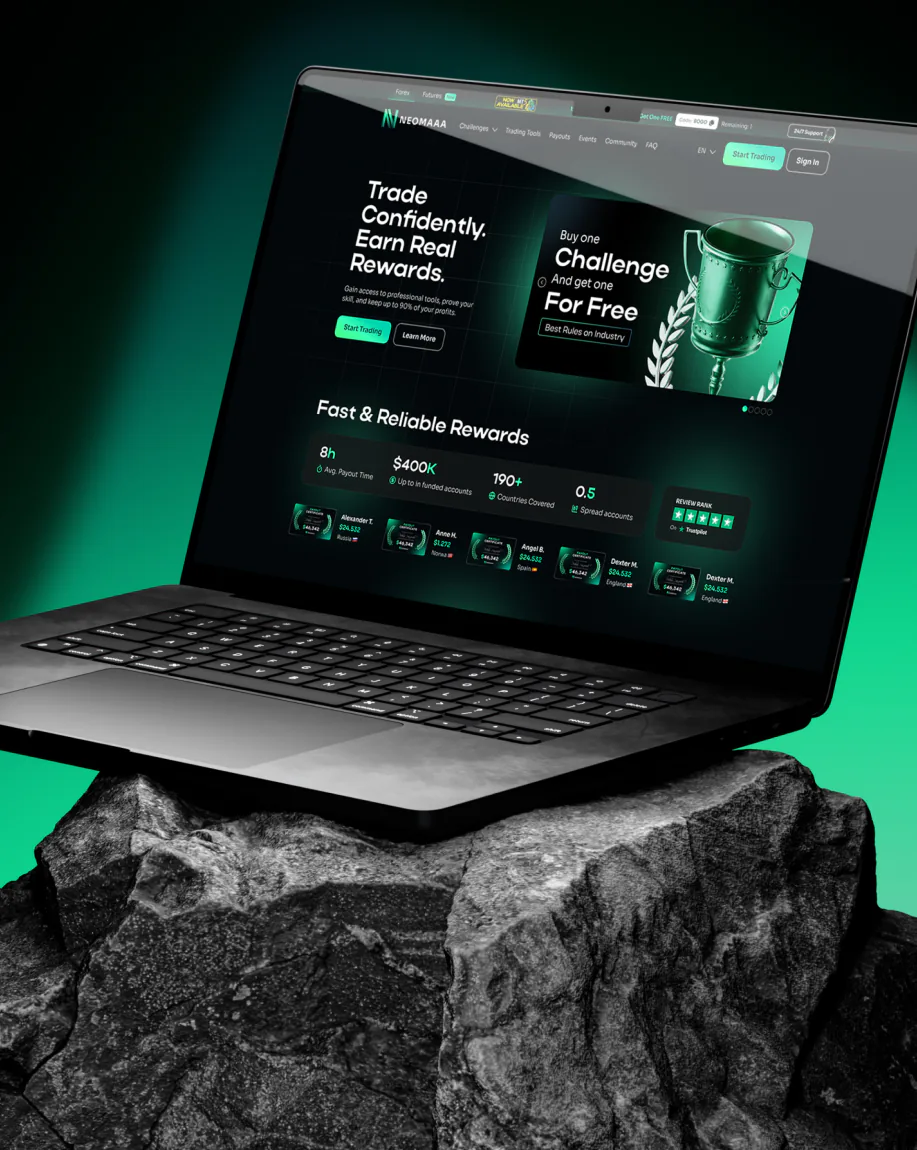
Start with the NEOMAAA case
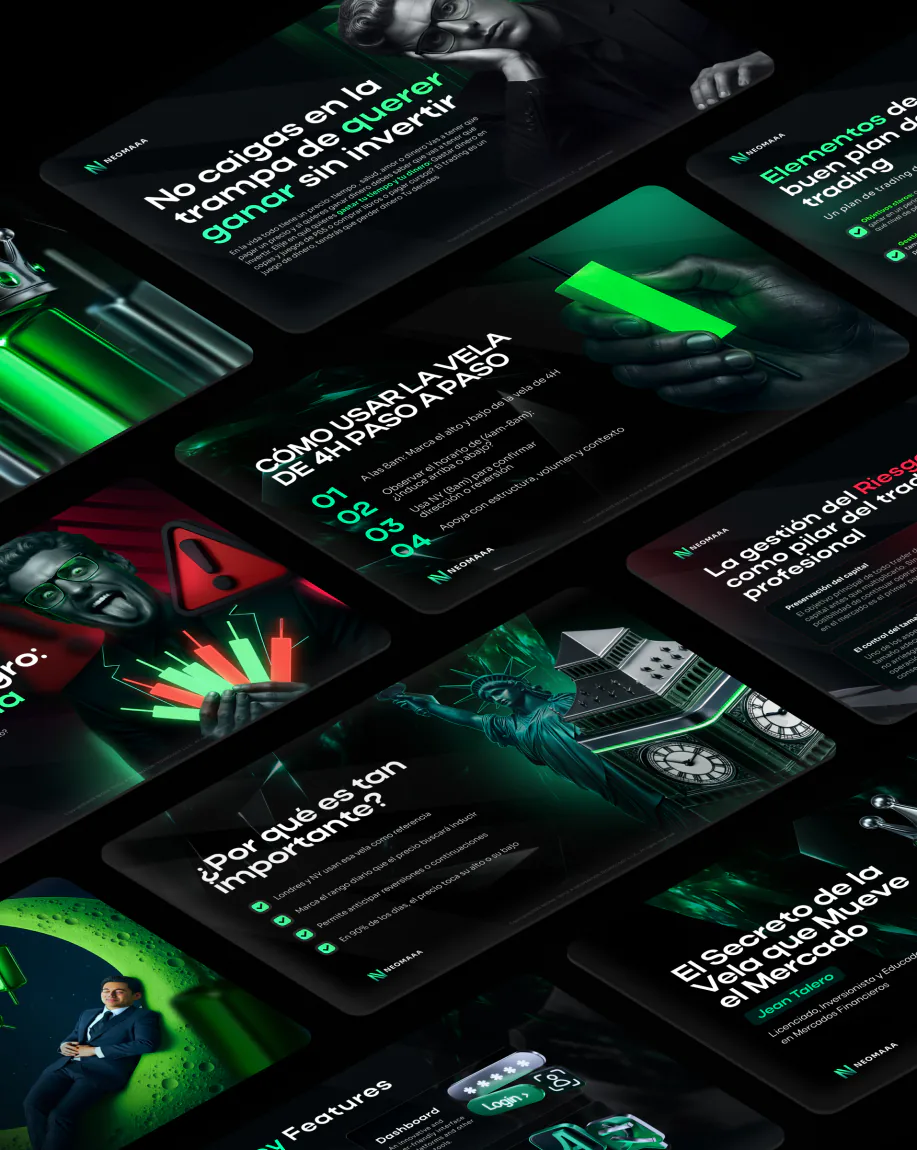
- NEOMAAA. Not one product but an ecosystem.
I built the whole thing from scratch - NEOMAAA
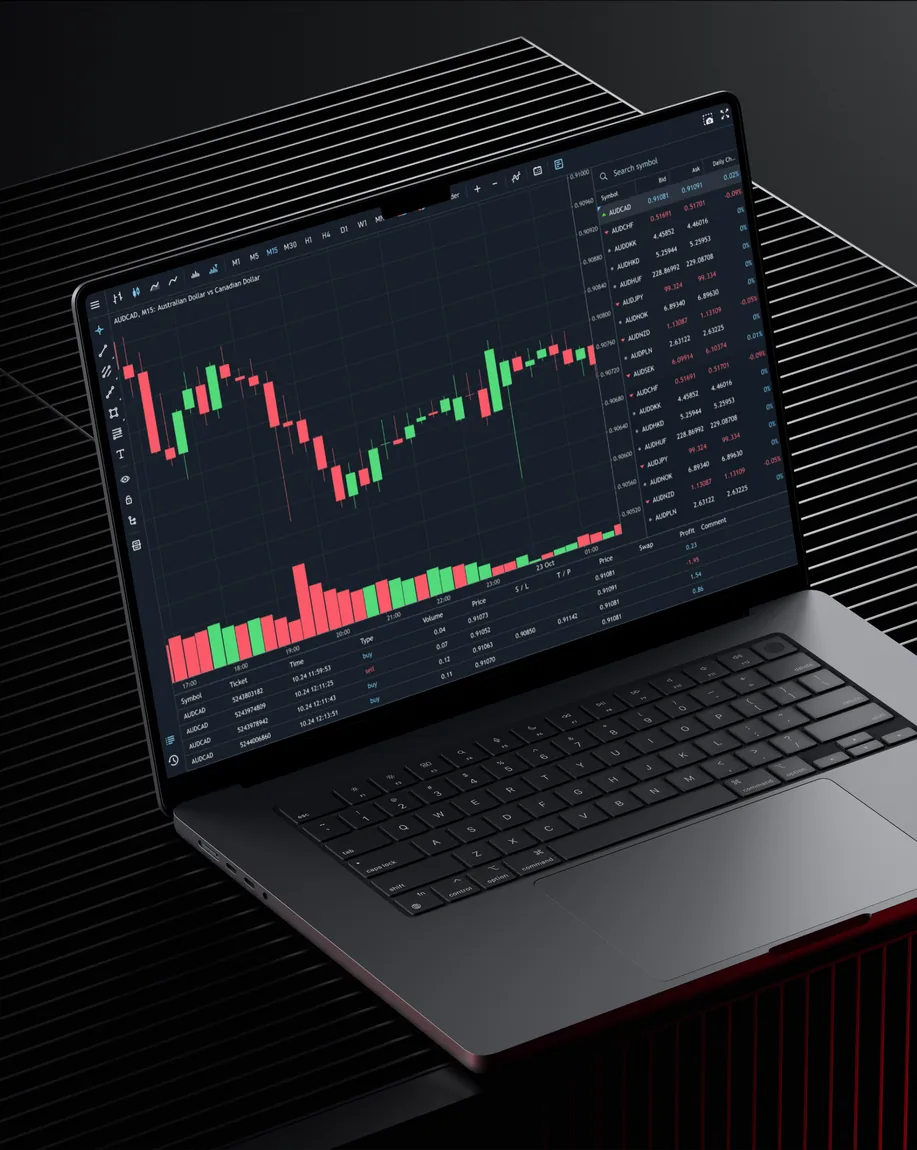
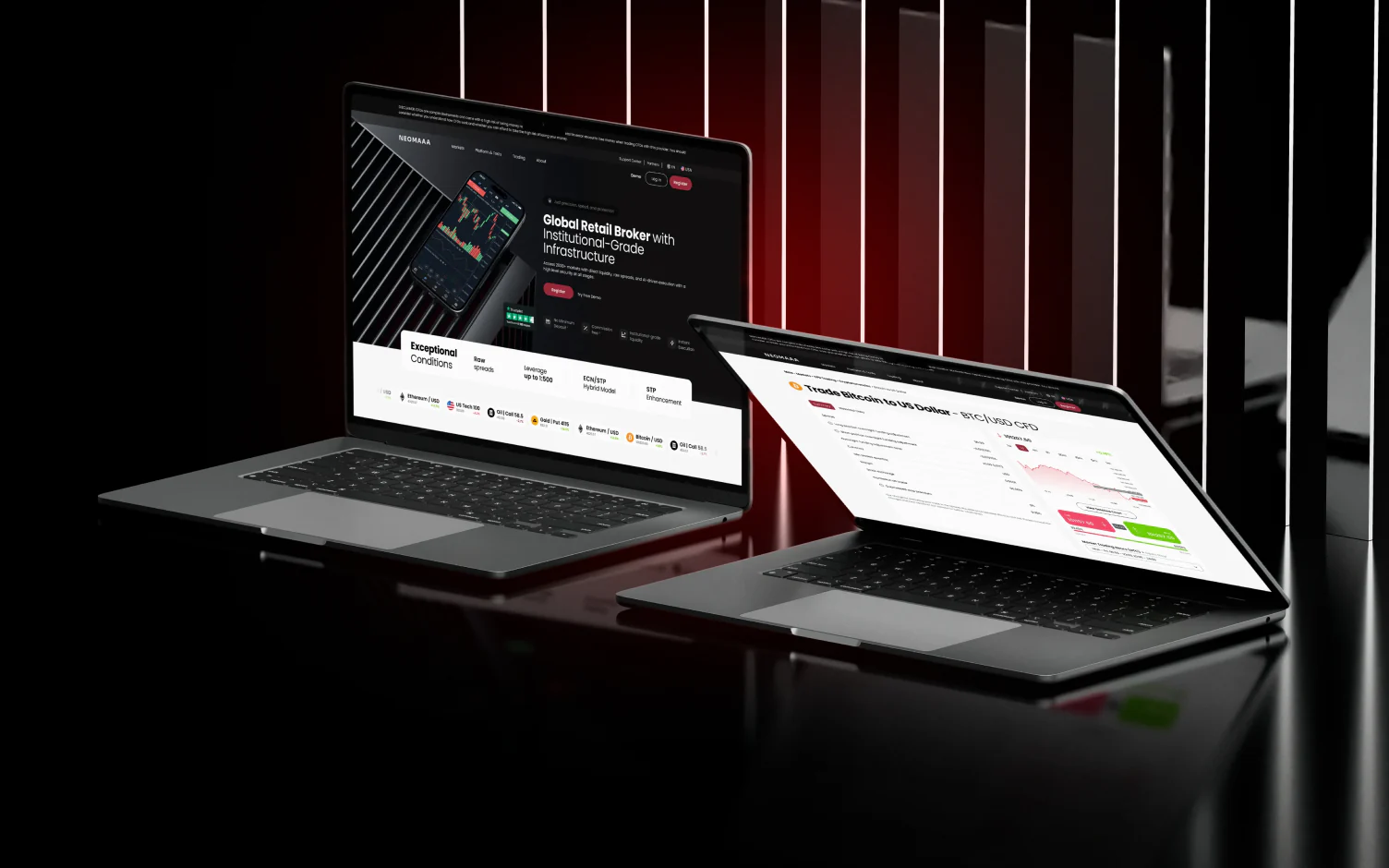 Broker. Pulled the competitors apart, then built ours
 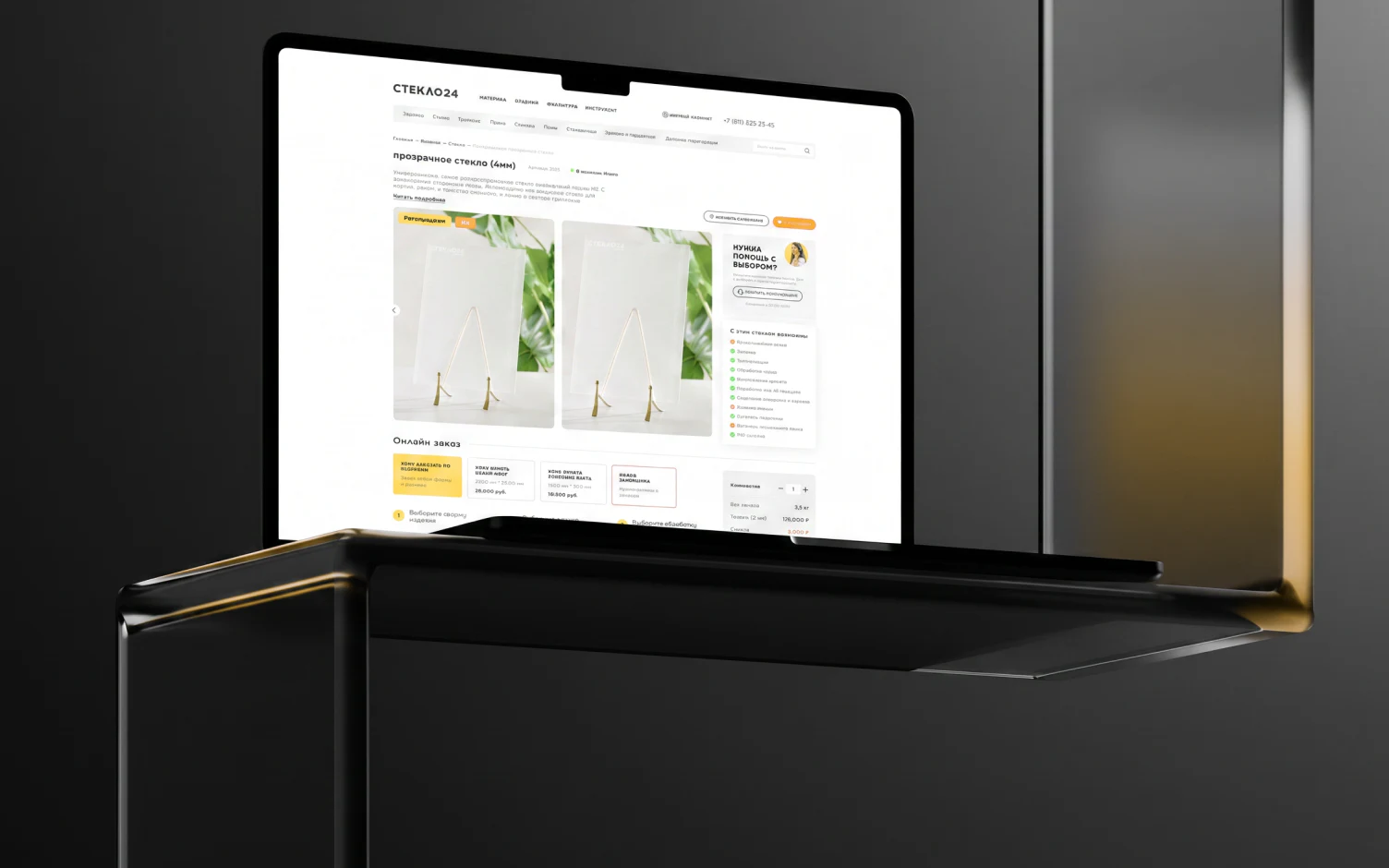 Steklo24. Six months on a factory floor
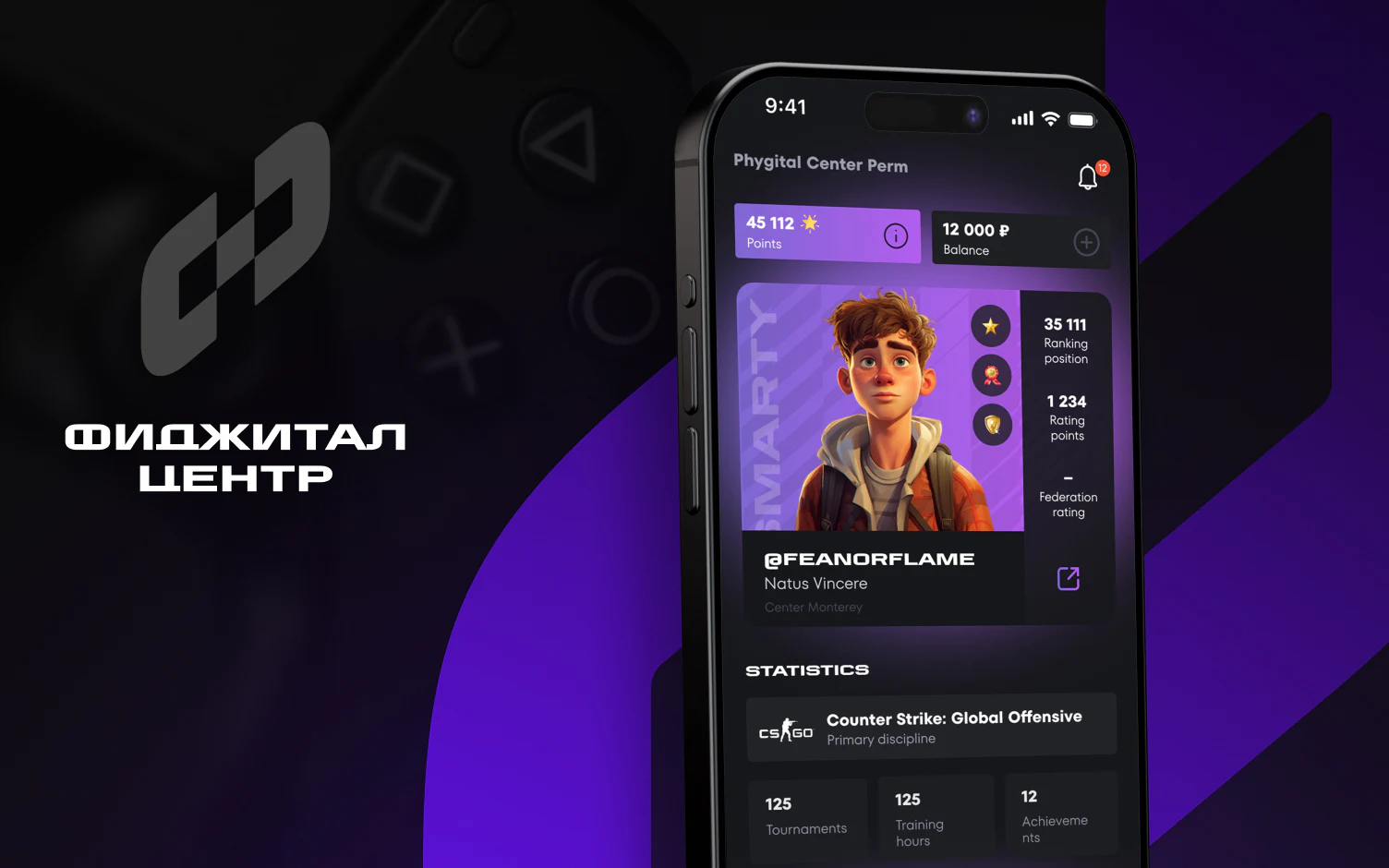 Phygital. An MVP in a month
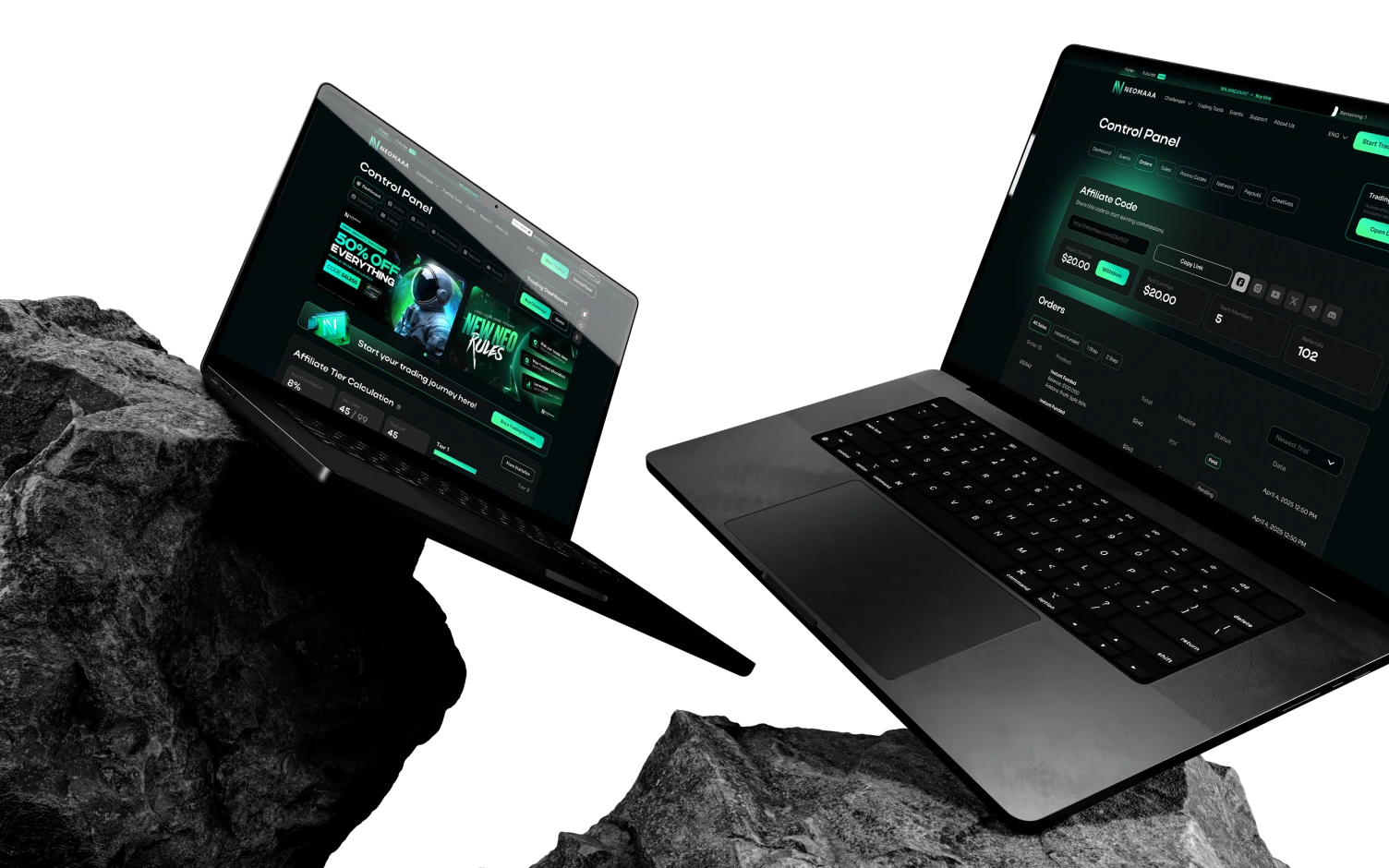
after the last agency failed- NEOMAAADashboard. Two kinds of user in one product
- Galaxy Tap. Game mechanics, states,
characters and a design system  CIX AR. Identity, websites and decks
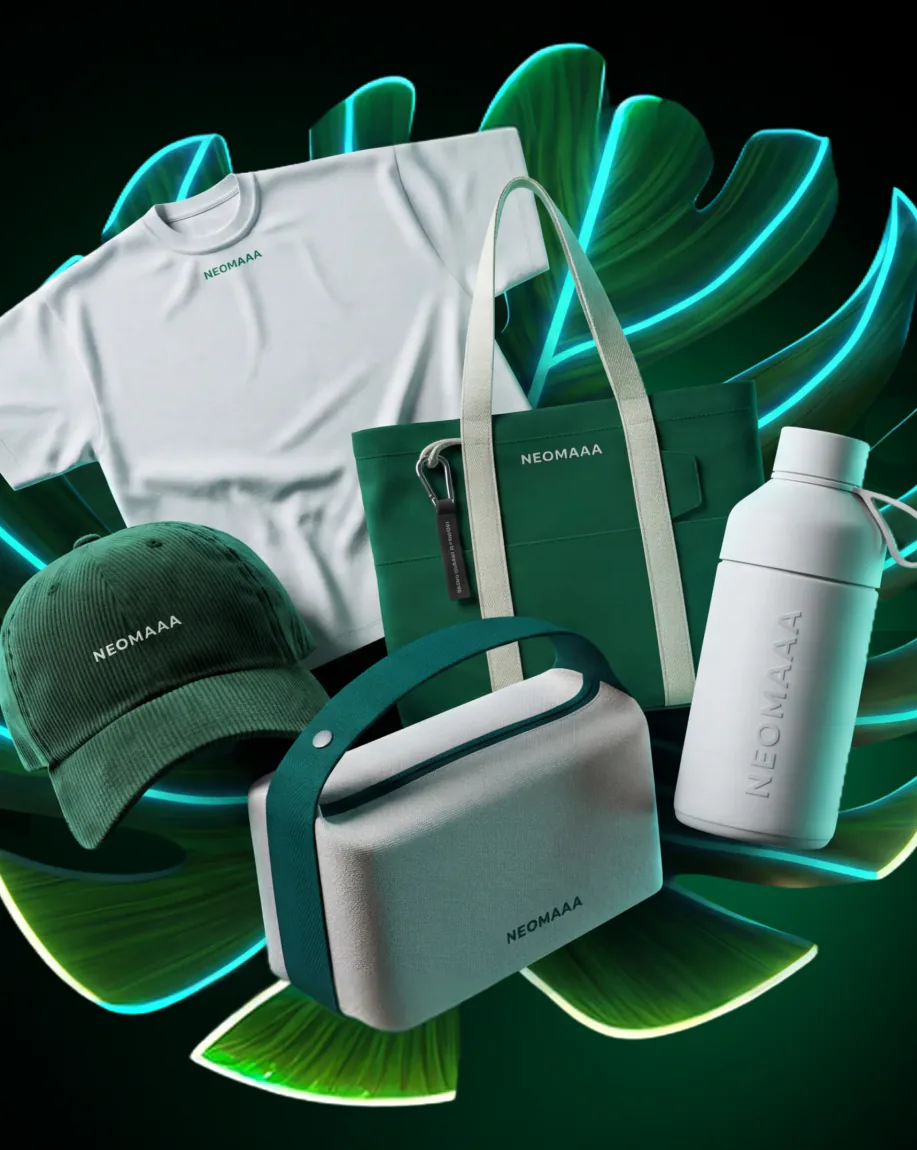
for the whole ecosystem GSI events. Venues, stands, merch
and decks for the events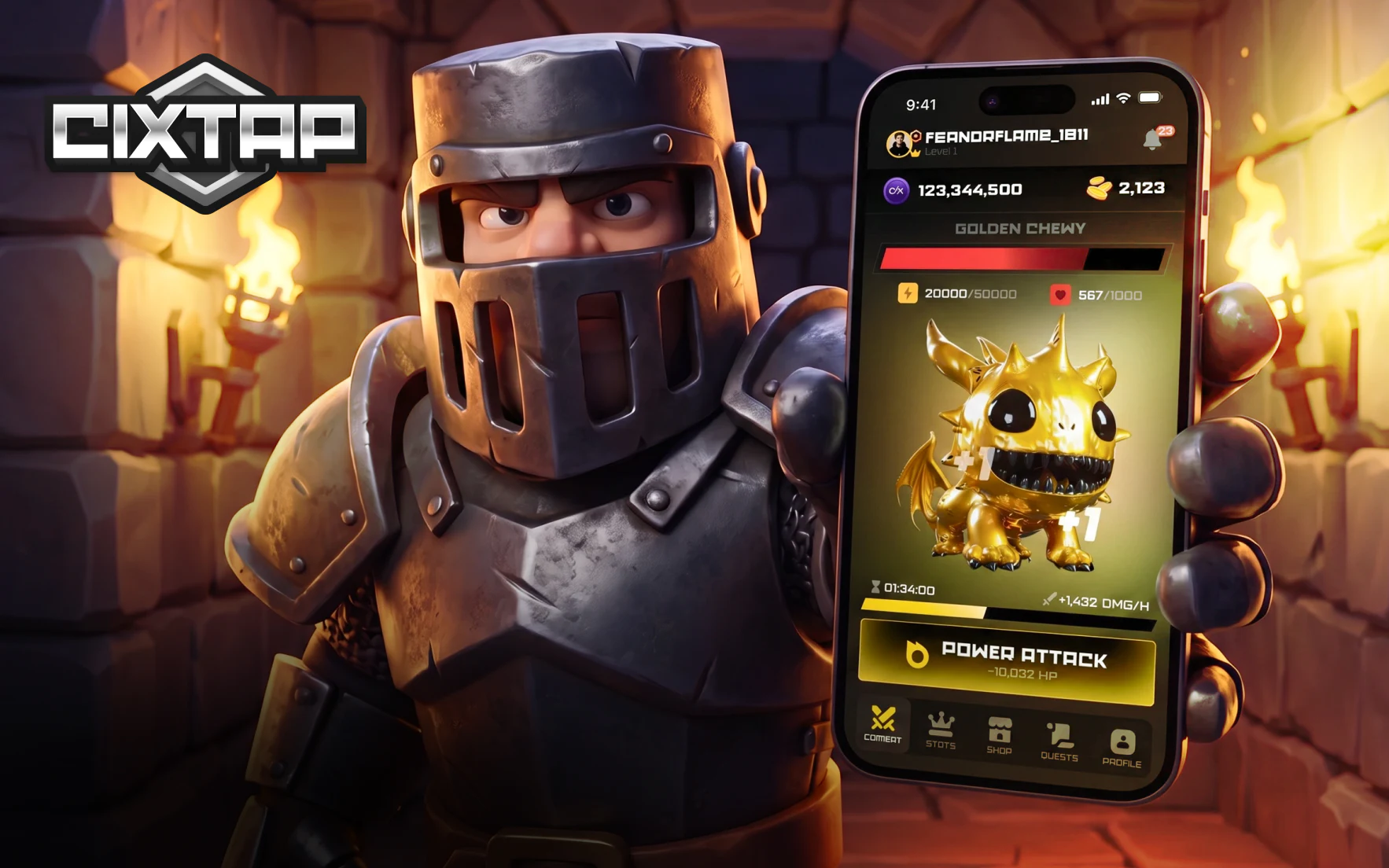 CIX TAP. A mobile app: mechanics, screens,
states. The social creatives came as a bonus




- Product
- Product Design · UX Architecture · Information Architecture · UX/UI Design · Product Discovery · UX Research · Usability Testing · User Flows · Product Strategy · Design Systems
- Leadership
- Design team · Design Operations · Stakeholder Management · Zero-to-One products · End-to-end delivery · Art Direction
- Tools
 Figma ·
  Photoshop ·
  Illustrator ·
  ChatGPT ·
  Claude · Claude Code · Figma MCP ·
  Midjourney ·
  Nanobanana ·
  Seedream ·
  Upscayl
AI and technical background
Claude Code is my main AI-assisted development tool. I use it day to day for prototyping, building pages, image processing, PDF assembly, and deployment. Figma MCP connects design files directly to code, and I set up my own workflows for tasks like voice transcription. I work with generative AI tools based on their strengths and prompting behavior: ChatGPT, Claude, Midjourney, Nanobanana, Seedream, and Upscayl.
I read code and config files, spot inconsistencies, and communicate effectively with engineers.
- 2024 — presentNEOMAAA
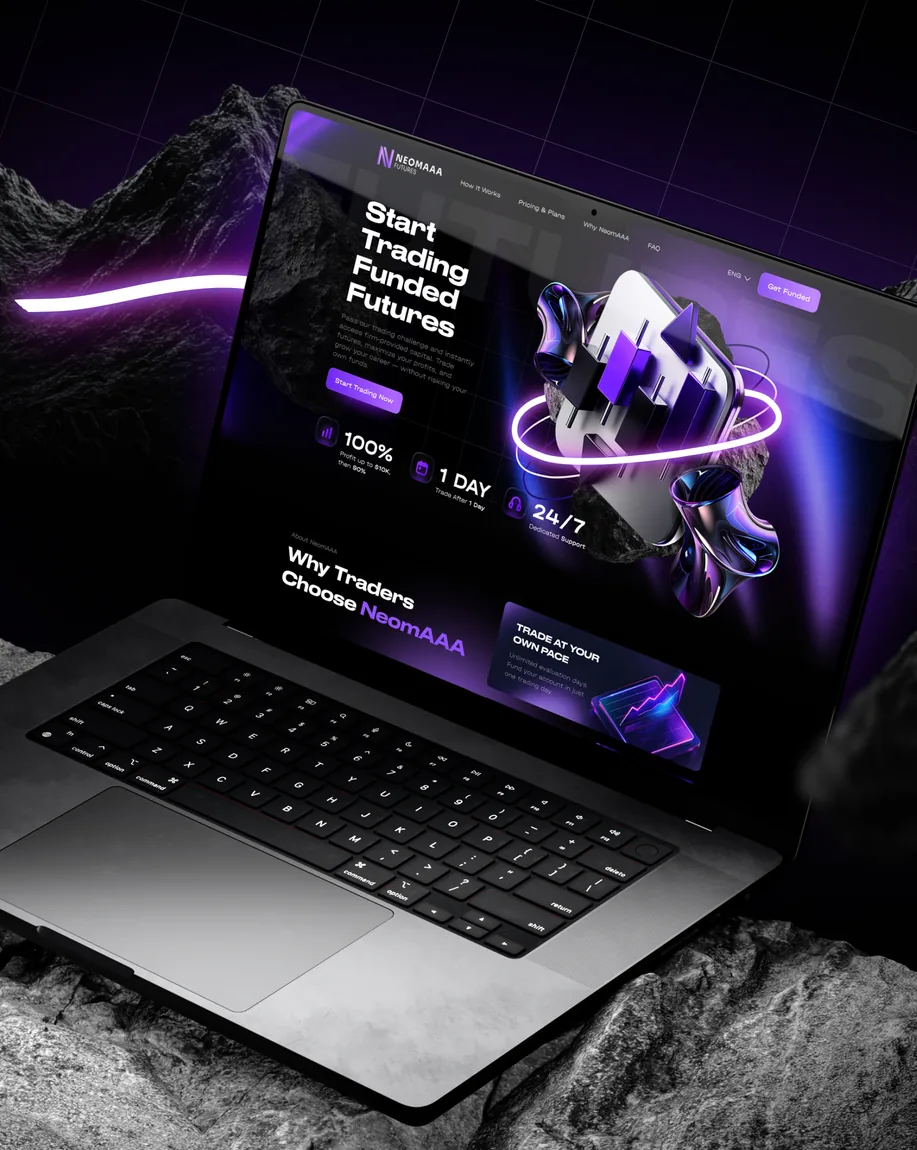
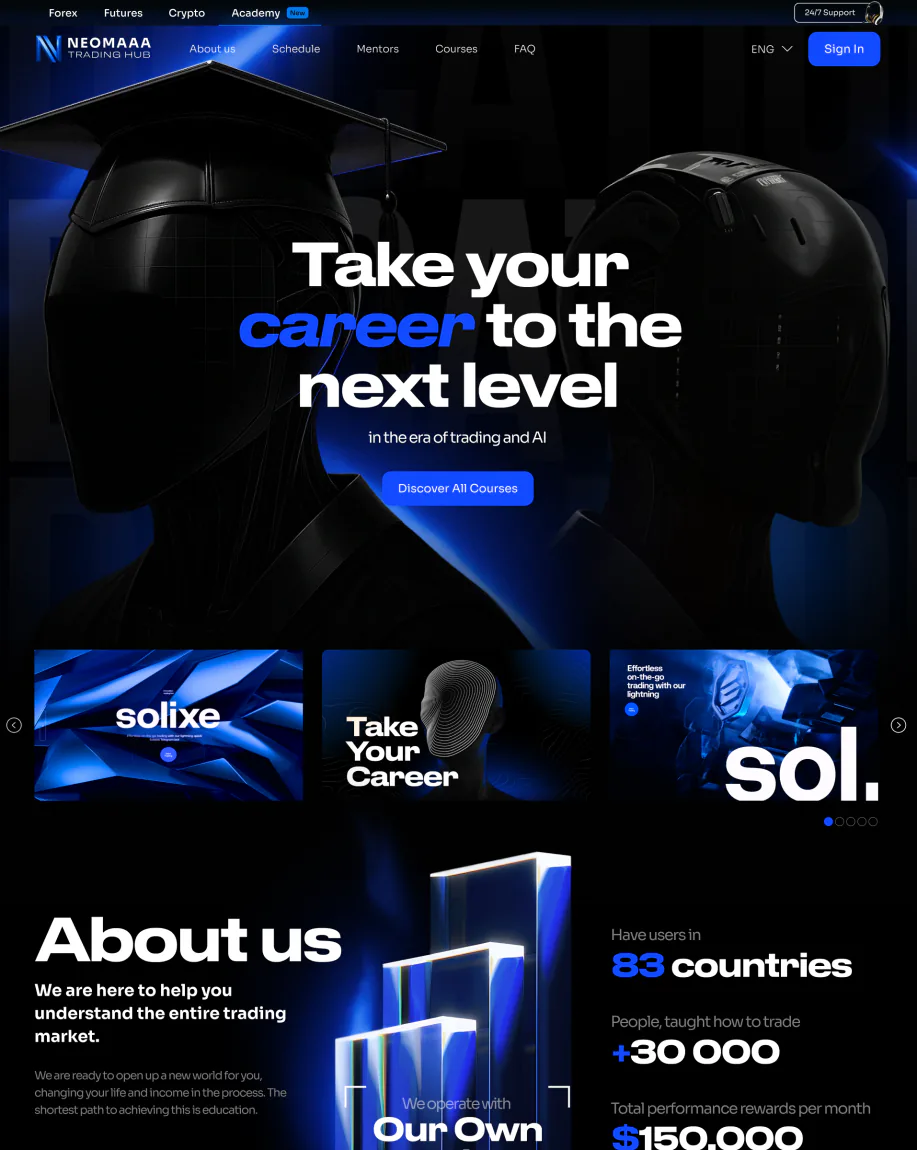
International fintech and proprietary trading ecosystem: proprietary trading, cryptocurrency products, brokerage services, an educational platform, media, and offline events.
Head of Design / Product Design Lead
- Built the design function from scratch and had it working as a process in one to three months: the visual language of the ecosystem and a design system rolled out across three interface languages. It covers every live business line, and a new screen built on its components takes about a third of the time it used to.
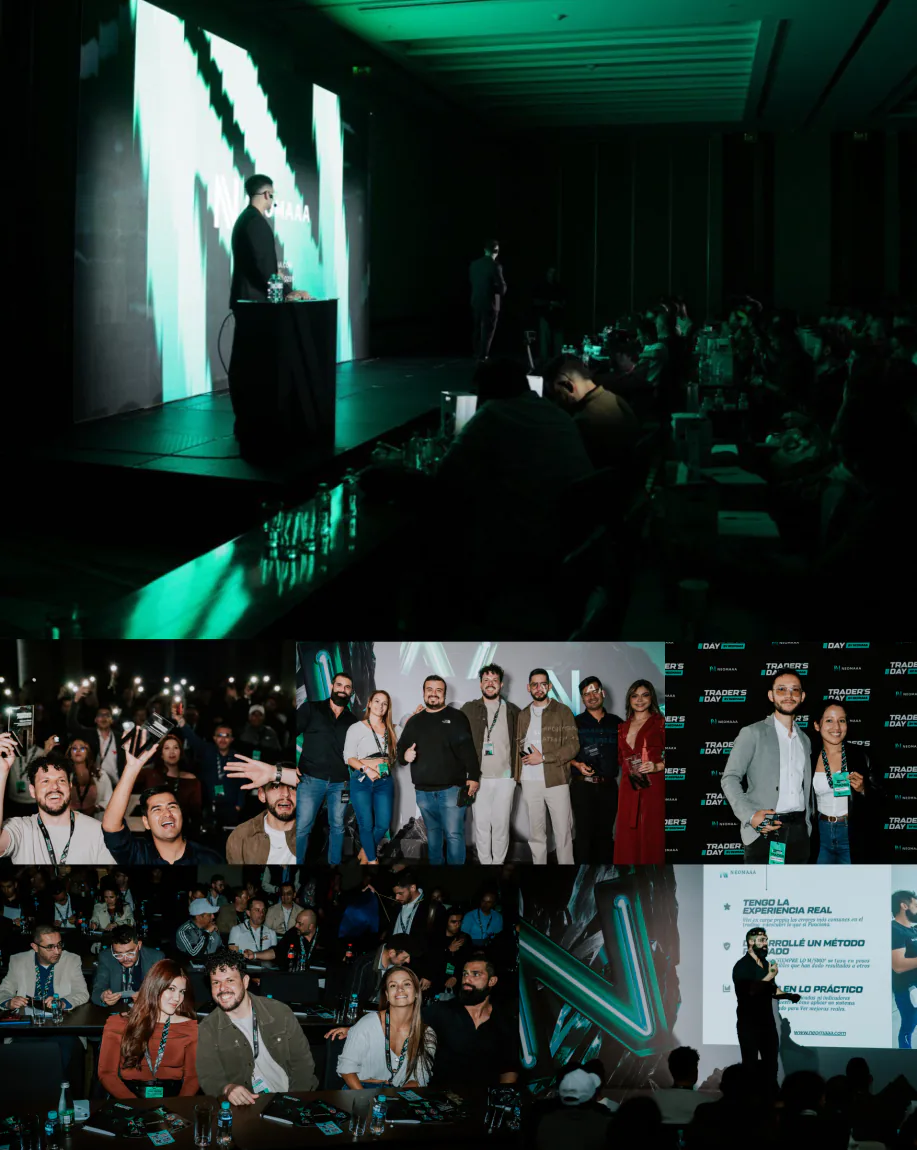
- Set the brand rules and carried the visual language into every touchpoint: products, marketing, media, and offline events.
- Designed a regulated broker. Took apart twenty competitors and reverse-engineered their calculators down to the formulas, then shipped one architecture covering six product lines and six account types. Drawn with a partner in a month against the usual two to three, handed to engineering, launched six months later.
- Ran seven or more products at once: websites and landing pages, CRM and internal tools, the education platform, prop-firm pages, prop trading challenges, futures, and crypto trading. From brief to engineering handover is two weeks as a rule, a standalone landing page three to five days.
- Ran product discovery and UX research for new business lines: interviews with users and the owner, competitor and scenario analysis, raw notes turned into product architecture, user flows, and prototypes. Designs clear the owner in one or two rounds, and engineering comes back with questions only in edge cases.
- Built pages and prototypes in Claude Code and connected design files straight to code through Figma MCP, running image processing and asset assembly through the same setup. I read code and config files, spot inconsistencies before release, and talk to engineers in their own terms.
- Led the design team, with a core of four: work allocation, reviews, mentoring, and quality control. Some of them I picked and hired myself, some joined without me. Grew one designer from junior to mid-level and another from mid-level to mid-plus.
- Fixed live products off user feedback: collected complaints on client dashboards and trading interfaces, put the disputed parts in front of real users, and rebuilt the flows on what came back.
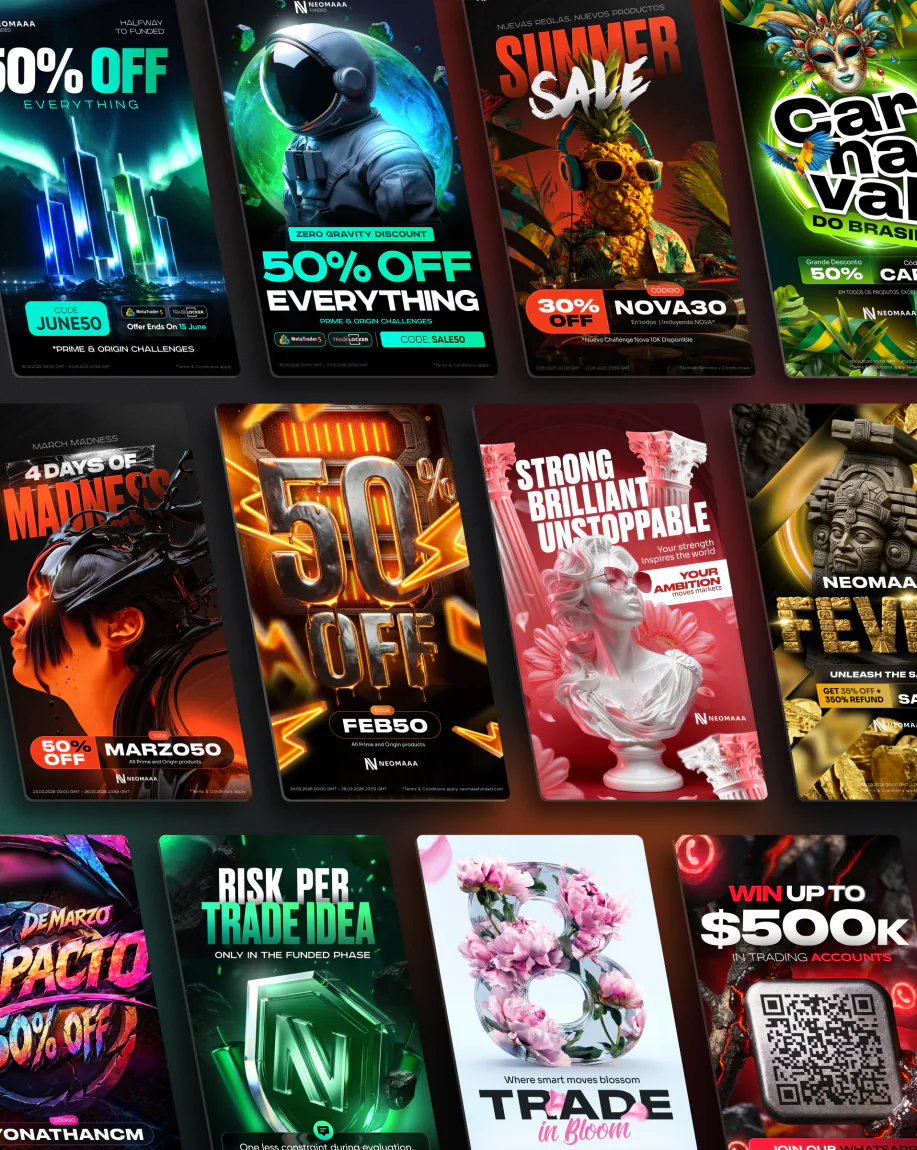
- Kept content production running at volume: social creatives from two designers and a generative pipeline, dozens of decks, YouTube and podcast assets, design support for events in Latin America.
Key achievements
- Helped grow an ecosystem serving an international audience.
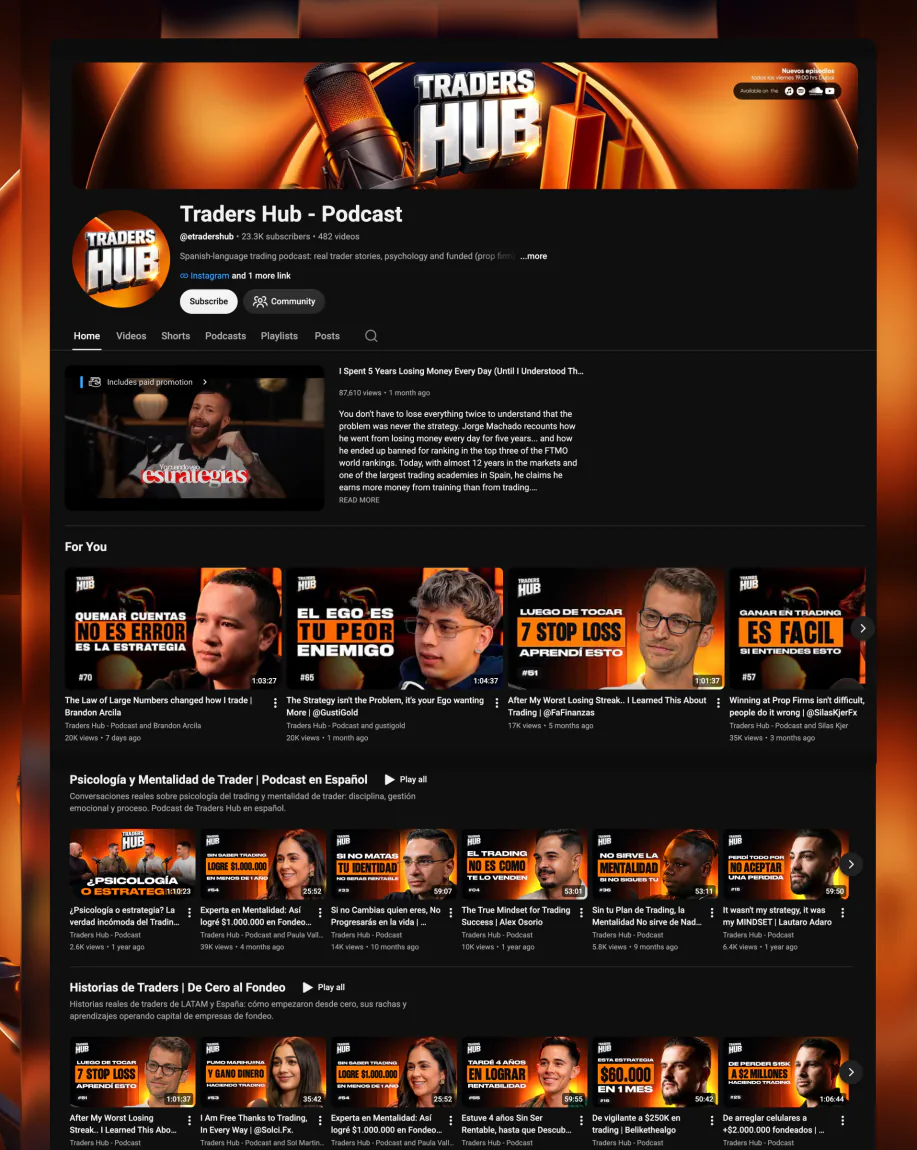
- Supported the media side: a YouTube channel, a Discord community, and an Instagram audience.
- Team of up to 8, a core of four designers
- A design system of 50-150 components
- One design system across 9-10 live business lines
- Around 170 creatives a month
- 100,000+ users across the NEOMAAA ecosystemearly 2026
- Users in 83 countries
- YouTube 23.3k subscribersTrader’s Hub channel, August 2026
- Discord 7k · Instagram ~25kNEOMAAA media, August 2026
- 2022 — 2024GSI Global Team
International full-service event agency: large-scale events, exhibition stands, merchandise, presentations, venue branding, and visual production.
Design Lead / Head of Design
- Led the agency’s design function: owned the visual side of projects from concept through production, coordinating designers, illustrators, layout specialists, 3D artists, developers, and external contractors.
- Built and ran the entire visual side of the agency’s largest event: concept, wayfinding, stage design, presentations, print, merchandise, and digital assets.
- Delivered visual production for client events: exhibition stands, wayfinding, presentations, merchandise, and venue branding.
- Handled branding for agency clients, among them 1win, Sber, and Kaspersky.
- Worked as a hands-on designer alongside the team: visual concepts, presentations, venue branding, merchandise, stands, and digital assets, taking work from idea to finished result.
Key achievements
- The agency’s largest event: one visual system rolled out across digital, stage, wayfinding, presentations, print, and merchandise.
- Coordinated teams under tight deadlines and briefs that kept changing, combining leadership, art direction, and my own design work.
- Teams of up to 20 specialists
- An event for 9,000 guests
- 2021 — 2022Steklo24
Manufacturer of custom glass and mirror products. A project to digitize ordering and manufacturing, from simple items to complex custom builds, involving external surveyors, partners, and internal staff.
Product Designer
- Designed a B2B/B2C product on my own: from product configuration and checkout through customer dashboards, site surveys, logistics, partner and internal workflows.
- Redesigned the configurator so a custom order no longer stops at a manager: instead of three shapes and a “figure” request, stock shapes with parameters taken off the cutting machine itself. Holes and cutouts are placed by coordinates on the drawing rather than counted. Added checks for centimetres entered as millimetres and for physically impossible combinations such as a cutout on the bevel line, so those cases reach a manager individually rather than on every order.
- Designed a browser-based CAD tool from scratch for technical drawings: free-form geometry, dimensions, holes, cutouts, arcs and radii, edge treatments, painting, polishing, and other production operations.
- Designed the end-to-end self-service order flow: configuration, live pricing, cart, delivery, production lead time with a discount or a rush surcharge, payment, handover to the factory, and further work through the customer dashboard.
- Built the digital workflow for field surveyors: site data, item measurements, lift and access parameters, logistics constraints, and several ways to capture results, from a tablet calculator to photos of paper measurements.
- Designed professional and B2B scenarios: a partner reward system for interior designers, proxies and delegated rights, and extended flows for non-standard orders placed by staff.
- Worked inside the domain: studied competitors and their calculators, visited the factory floor, learned the equipment, materials, and technical constraints, worked with the craftsmen, and organized a photo shoot for the digital catalogue.
Key achievements
- Every screen and calculator in the product within a year, as the only designer.
- Designed a single digital path for custom orders: from self-service configuration and drawings through measurement, payment, logistics, and handover to production.
- Turned undocumented manufacturing expertise into a digital system: technical constraints, production rules, and professional scenarios formalized in calculators, the CAD tool, and the interfaces.
- By the owner’s estimate, once launched the configurator would send most orders straight into production with no manager call.
- Around 200 screens in a year
- Around 20 calculators
- 40 stock shapes with machine parameters
- ~90% of orders with no manager callthe owner’s estimate
- Five user roles
- ~30% of Moscow production capacitythe client’s own estimate
Show moreCollapse
- 2020 — 2021Qubit
International digital ecosystem with a network of offices: a digital product, international communications, educational programs, and offline events. I joined when there was nothing in place.
Head of Design / Product Design Lead
- Built the design function from scratch: identity and visual language, product interfaces, and a design system covering digital and offline.
- Designed the whole digital product: customer dashboards, the partner network, levels and achievements, bonus mechanics, financial operations, and educational sections.
- Led the team: a core of three designers including myself, plus two illustrators and a motion designer on contract.
- Owned localization and offline: every language in the network, offices around the world, Basecamp training events, and design for large events.
Key achievements
- All design for the ecosystem ran on a core of three designers.
- Material shipped in every language on the same day the design was drawn: every deck and effectively all social content.
- Design for an audience of 500,000+ users
- Team of up to 6
- A network of ~50 offices
- Localised into 16 languages
- Events up to 2,000 attendees
- 2013 — 2020SEOSINTEZ
Full-service digital agency specializing in SEO and website development for business.
Web Designer
- Was the only in-house designer at the agency: ran projects from the client conversation and gathering inputs through finished screens and handover to development.
- Shipped two to three sites a month for seven years: landing pages and multi-page sites for clients across a wide range of industries, learning a new business every time.
- Worked alongside a marketer and a copywriter: built page structure, sourced the missing content, helped organize photo shoots, then supported development through to launch.
Key achievements
- Around two hundred sites and landing pages over seven years, single-handed, from brief to launch, across dozens of industries.
- 2008 — 2013Independent Designer
Commercial clients and projects from freelance marketplaces.
Web design and print
- Ran commercial projects from brief to delivery: websites, landing pages, advertising materials, print, and visual concepts.
- A steady rhythm of two to three sites a month plus regular print work, with a lot of returning clients.
Key achievements
- Clients came back for years: Steklo24 started here, first with print and a first website, and years later the same client brought me in to design the product.

04 / How I work
The practices I lead the team with
I almost always get juniors. Nobody has ever handed me a finished team, so it grows from the inside, and everything below comes out of that.
The practices
A copy next to it
I don’t edit someone else’s file
I make my own version next to it: here’s yours, here’s mine. People see the difference for themselves, quicker than any explanation. The work still belongs to them, though. I show what good looks like and leave them to finish it.
Three kinds of correction
Say it, walk through it, or show it
If words will do, I use words. If the file shows a gap in what someone knows, we get on a call and go through it. If it’s hard to explain, I show them with my hands.
The “finish it” mode
Two people in one file
We pass the file back and forth: copy, edits, check, one of us finishes it off. That’s how we hit deadlines neither of us would hit alone.
A place to speak
A designers-only chat
Anything goes, with no other department listening in. Plus a private channel with each person: taking time off, agreeing overtime, admitting they’re not coping. None of it leaves the room.
I take the hit
It reaches me first
When another department comes after the design, they talk to me. If one of mine got it wrong, I sort it out myself and I don’t hand anyone over.
Come straight away
A mistake costs less than hiding one
The rule came out of someone sitting on a problem for three days while the whole department waited on him. Seniority has nothing to do with it: staying quiet always costs more.

Three interviews with people I worked with
Gleb Ganenko
Junior → senior, seven years together
- What did you learn over these seven years?
- Typography in real depth, design thinking, and 90% of what I know technically about building websites and apps.
- What did I do on the projects?
- He handled everything with the client, “translated” what they wanted into plain language, and made the creative, technical and stylistic calls.
- What was hard?
- A difficult character at times. Beyond that, there’s nothing to say.
Seven years together. He joined as a junior and works at senior level now: I still review his files, but they rarely need anything.
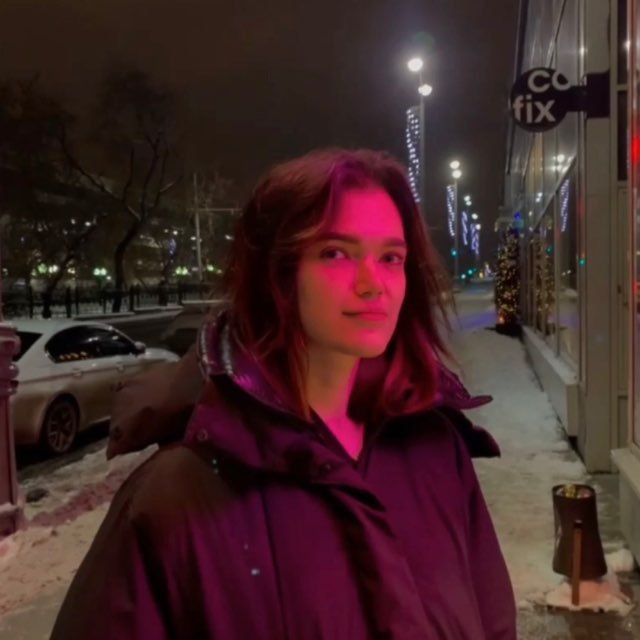
Senya
Junior → mid, changed career track
- What could you not do before we started working together, and what changed?
- Working with neural networks, and I got to see how the pipeline works in web. After that I wanted to be a UX/UI designer, and I’m moving into that team right now.
- What is the one thing I explained that stayed with you?
- The rule about pairs of nearly identical pictures: what separates the original from the fake adds up out of small details. And how much soft skills and teamwork matter.
- Why do you still write to me from your new job when you get stuck?
- All that experience. You know how to back someone up and explain things clearly without taking sides.
She left for another company and moved into UX/UI there. She still writes when a task has her stuck.
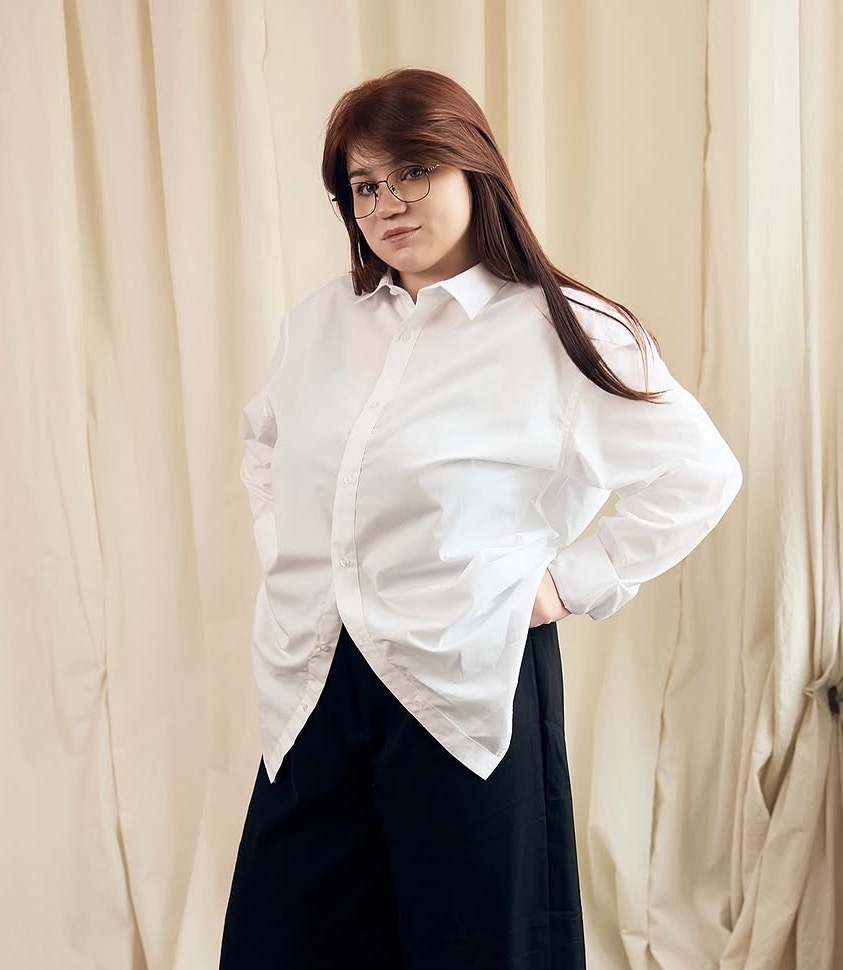
Valeria
Junior → mid, came in with little experience
- How did the feedback feel?
- Even when I got things wrong, I never got feedback that made me lose faith in myself.
- What about overtime?
- It was always clear that nobody was pushing us to burn ourselves out.
- What happened when other departments came after the design?
- You always stood up for our decisions and never let anyone write off the team’s work.
- What got in the way?
- You didn’t always catch your own mistakes, or other people’s, while I got pulled up for the same thing.
We worked together at NEOMAAA. She came in as a junior with barely any experience, got a grip on typography and layering, and learned to stand behind her decisions.
06 / About
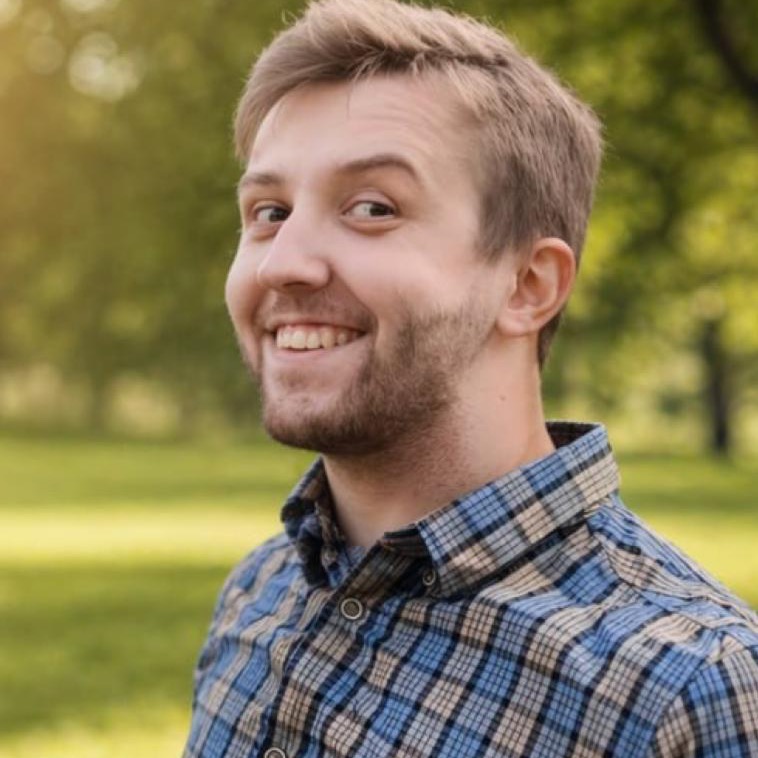
An engineer by first profession
Four programming languages by the time I left school. I still read code, I just don’t write it any more. That’s enough to talk to engineers in their own terms and translate the requirements for designers.
At home I run a smart house on 40 devices, routers reflashed over UART and my own VPN servers. The wiring and the low-voltage work are mine too.
ITMO University, optical engineering. Russian is my first language, my English is intermediate. I design for markets whose languages I don’t speak, which means I lean on a system where a native’s instinct isn’t there.
07 / Contact