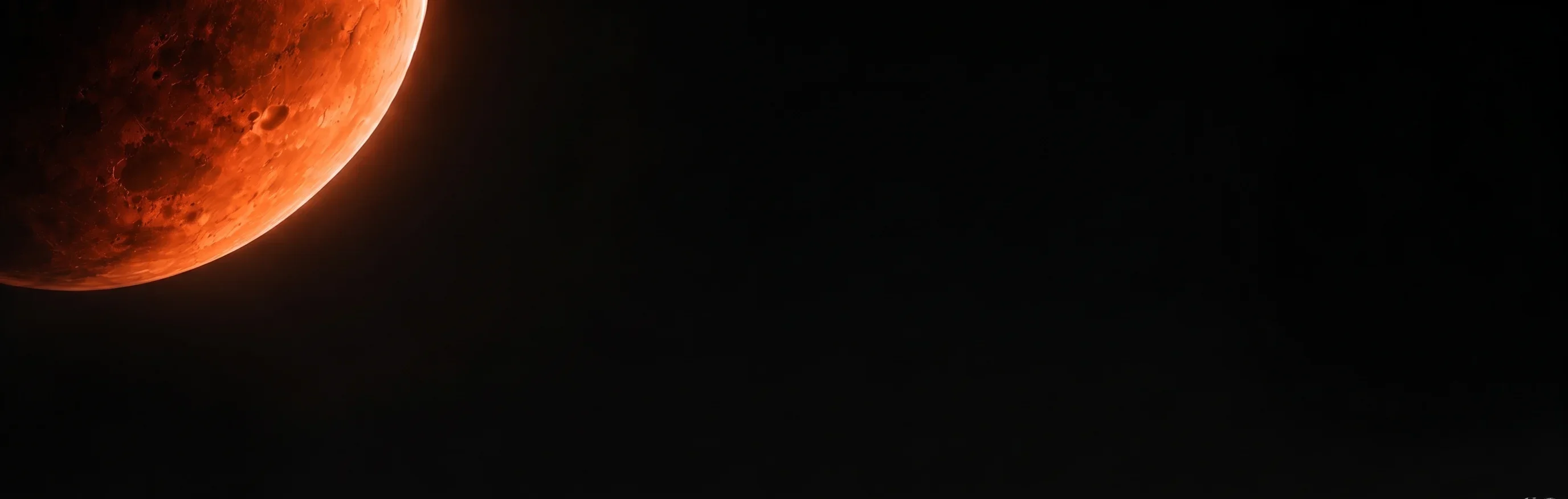
A steady flow of creatives
SMM and creatives
A constant flow of material for the ecosystem’s feeds. More than two thousand creatives in a year, and the template had to be rebuilt almost every time.
- Graphic design
- Social
- Team leadership
What it was
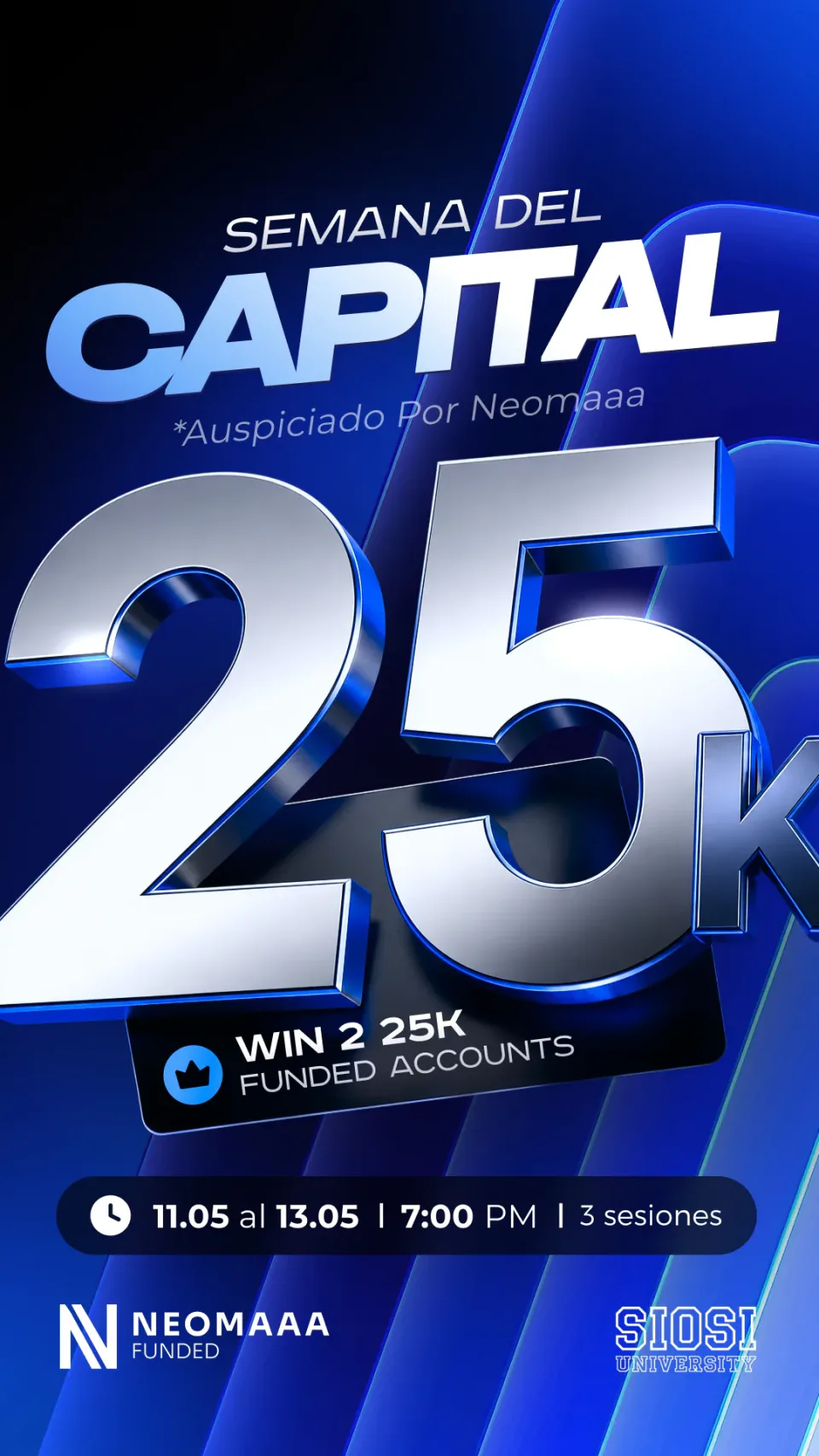
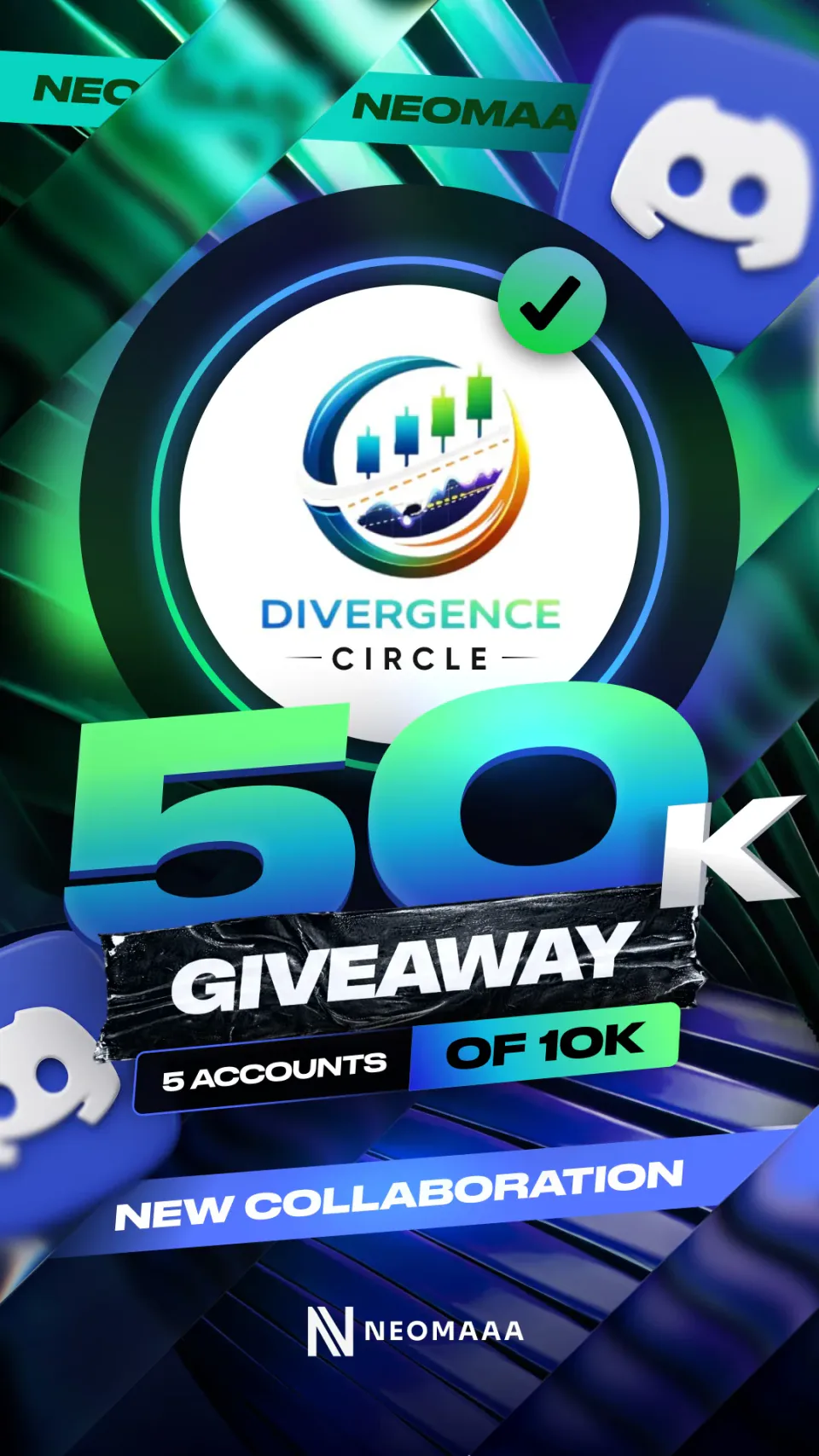
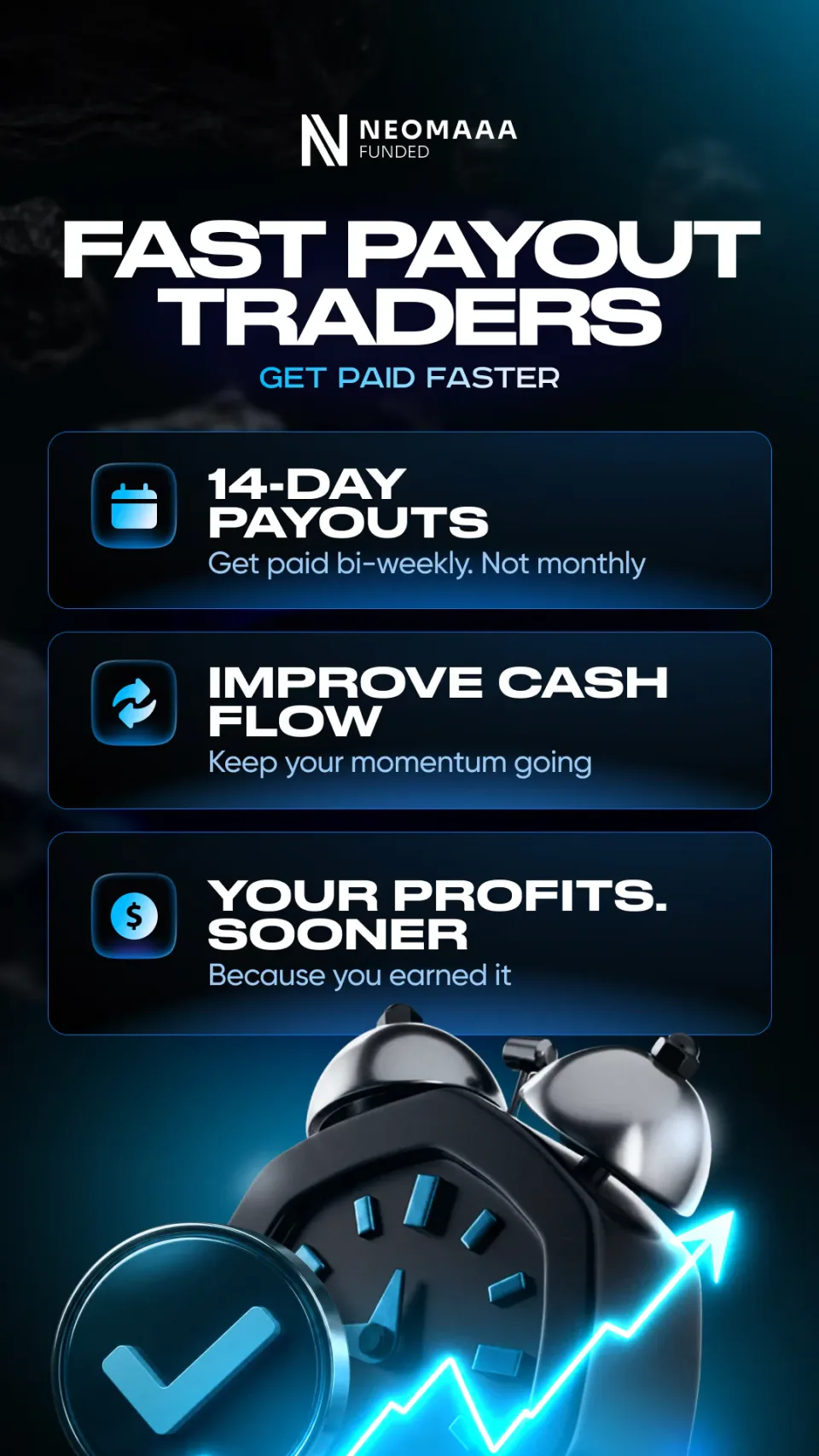
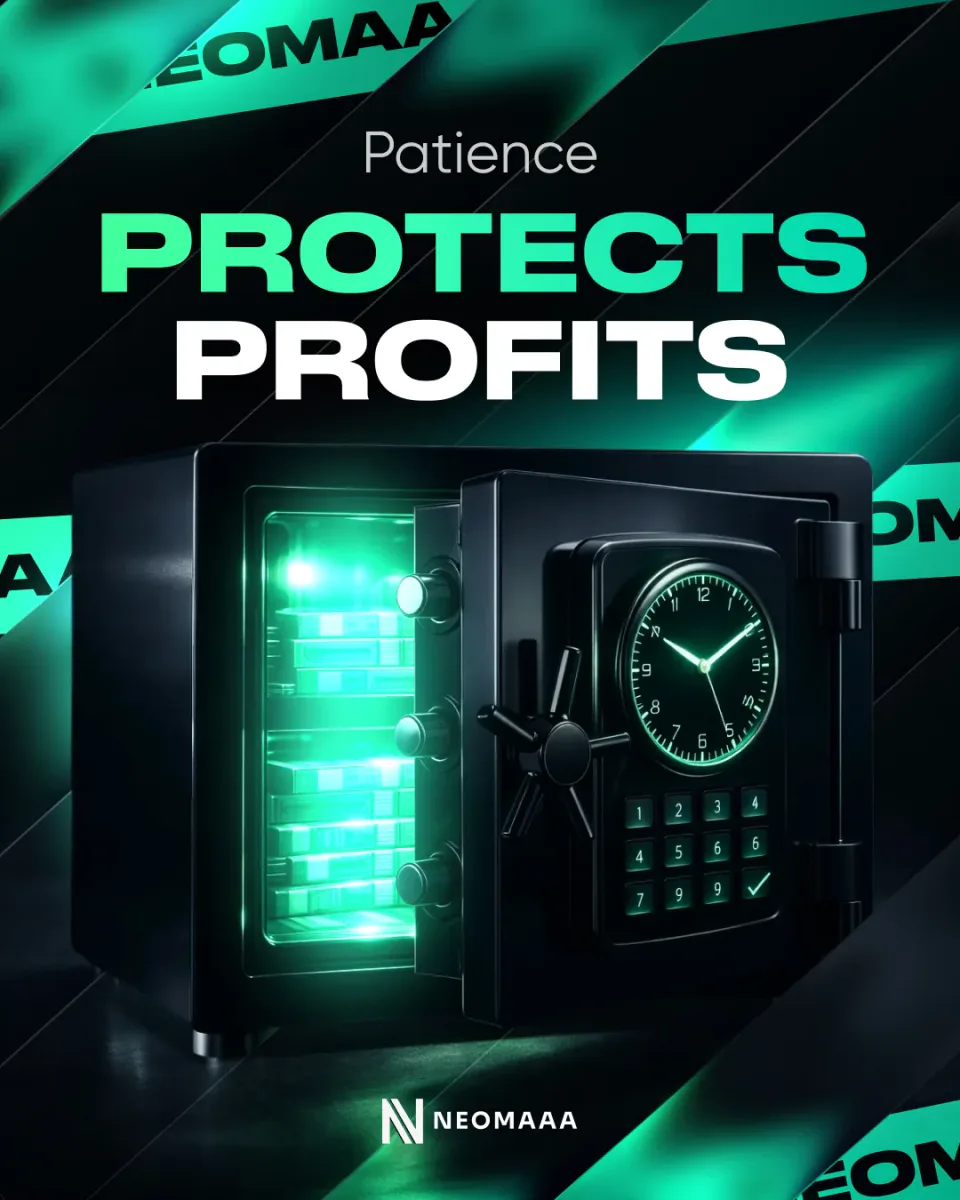
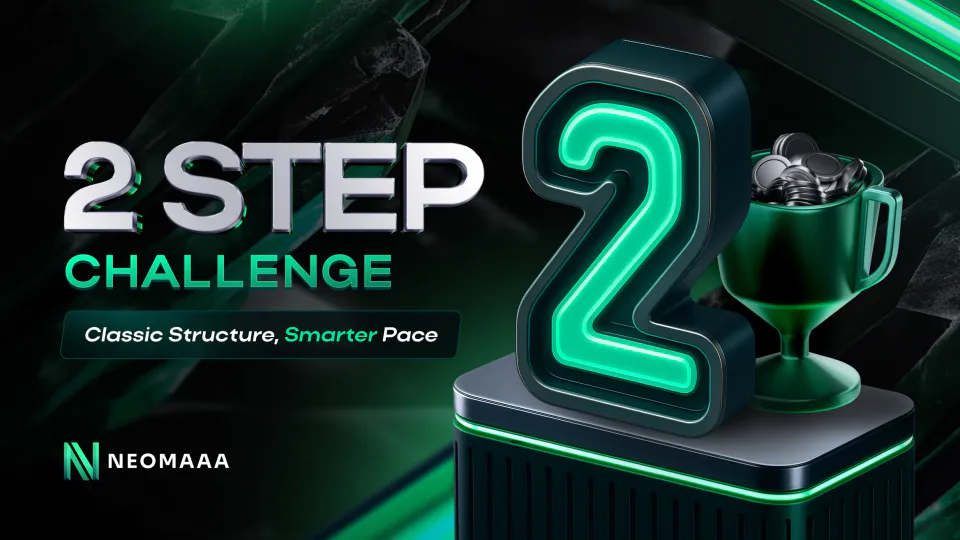
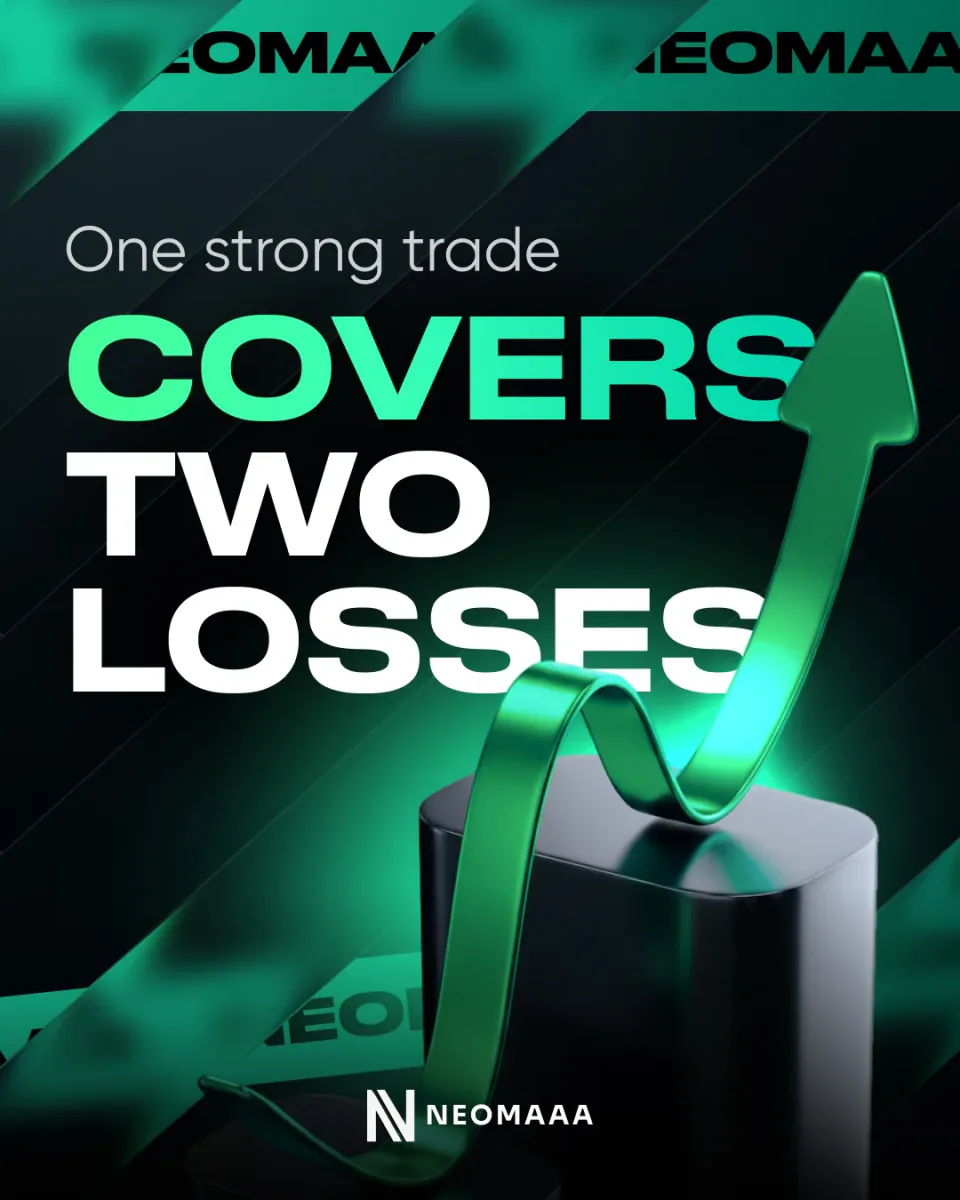
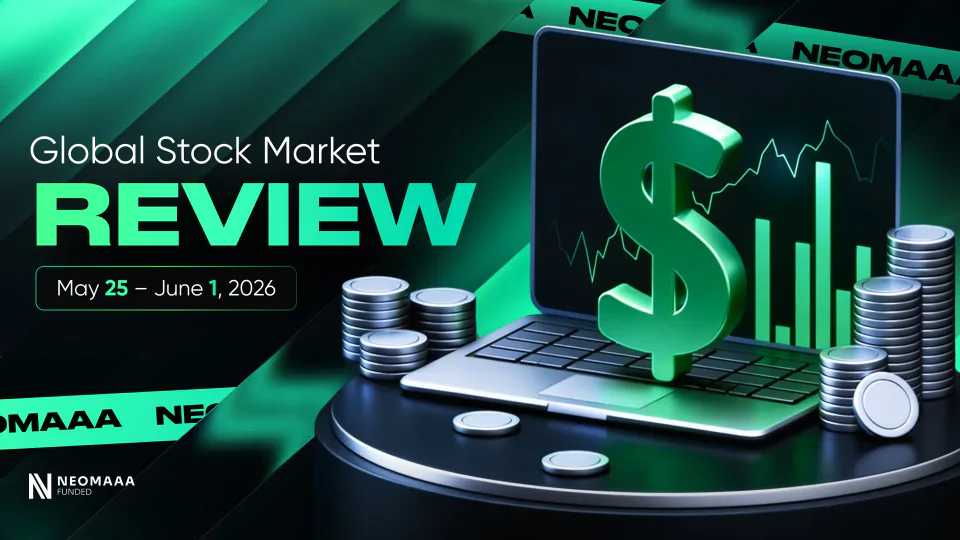
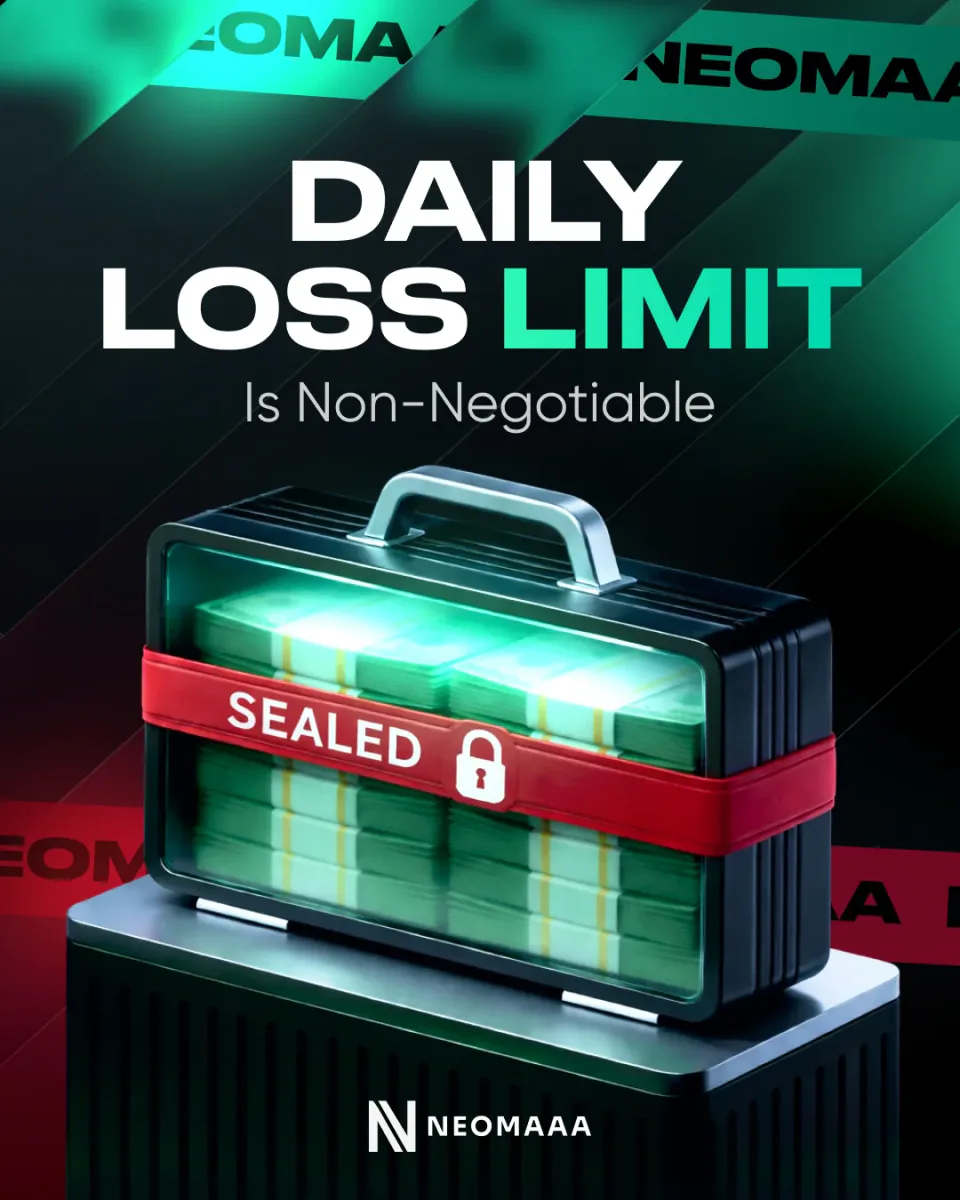
Creatives, carousels, sales reports, rundowns of the best and worst currency pairs, layouts for promotions and holidays done like club flyers.
There were templates, just not the kind where you swap the picture and the text and ship it. Every one took real work, or the feed would have flattened into the same layout in different colours.
The ecosystem went through several rebrands along the way, one of them called New Generation: dark rock, neon, glow.
The brand pendulum
The brand swung between two poles: strict and conservative, in the language of traders, and loud and accented, in the language of the affiliate network. The owner asked for calmer, then brighter, round and round.
At the time I took it for a change of mood. Now I see the structural cause: the brand served two audiences with no rule about which register belonged where. I would declare two registers with a rule by audience and channel, and the pendulum would stop on its own.
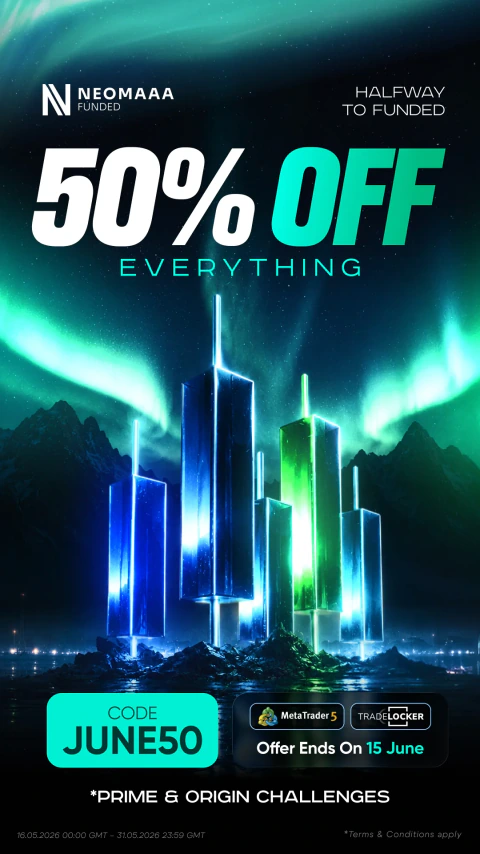
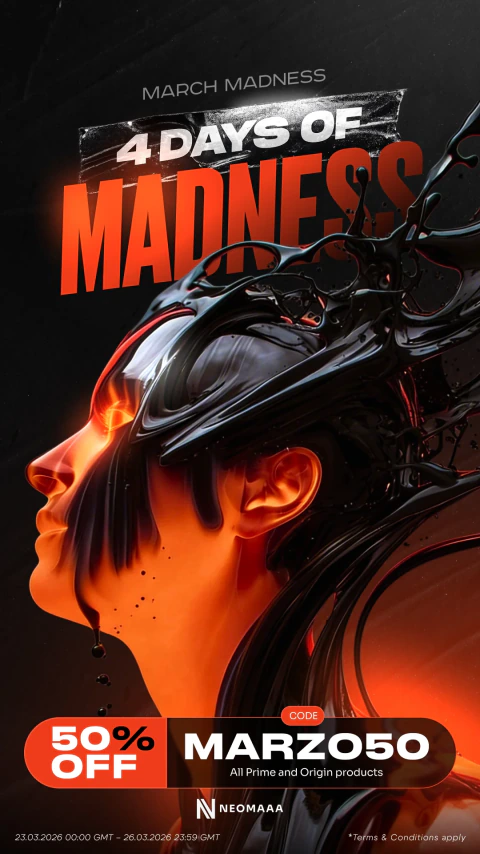
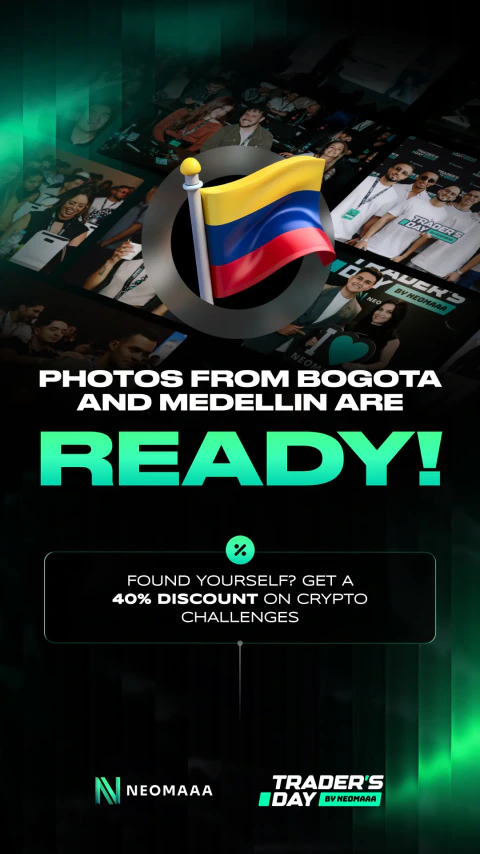
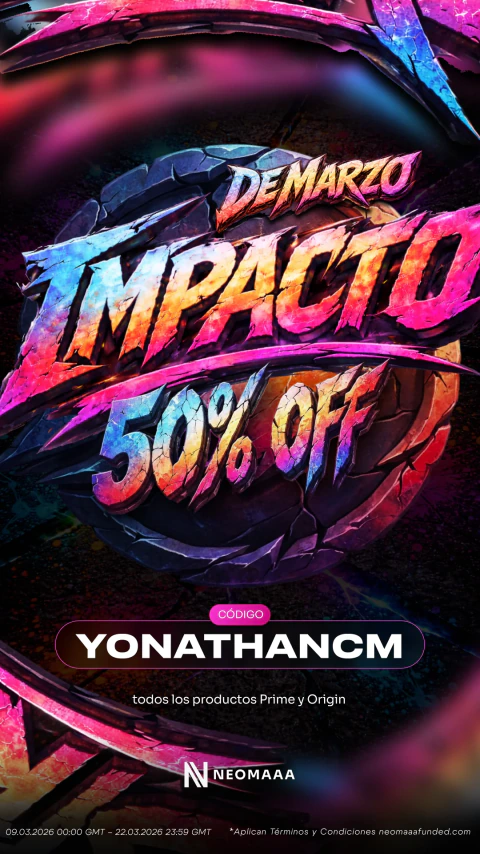
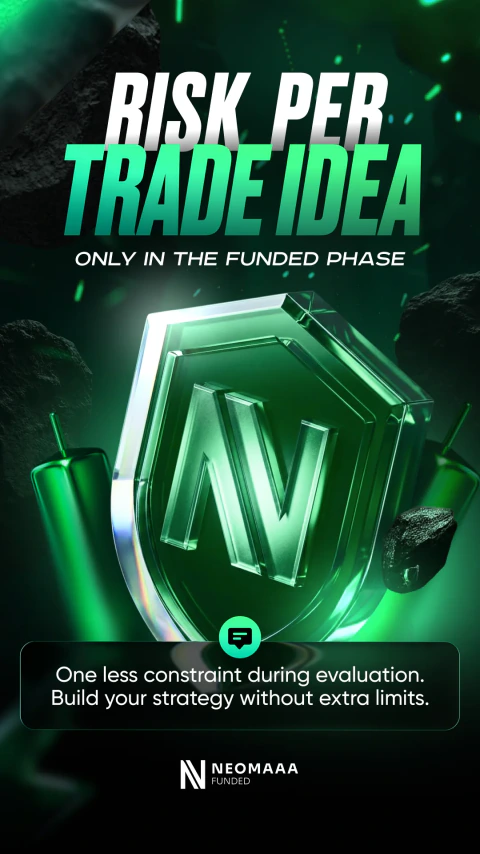
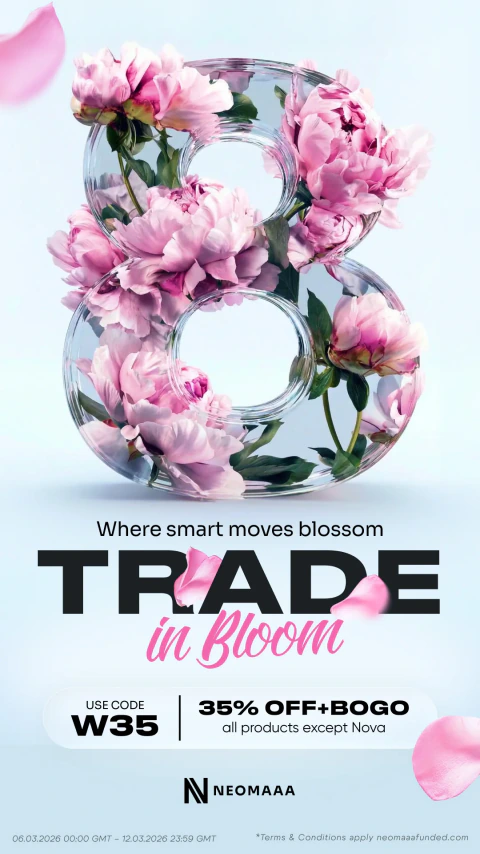
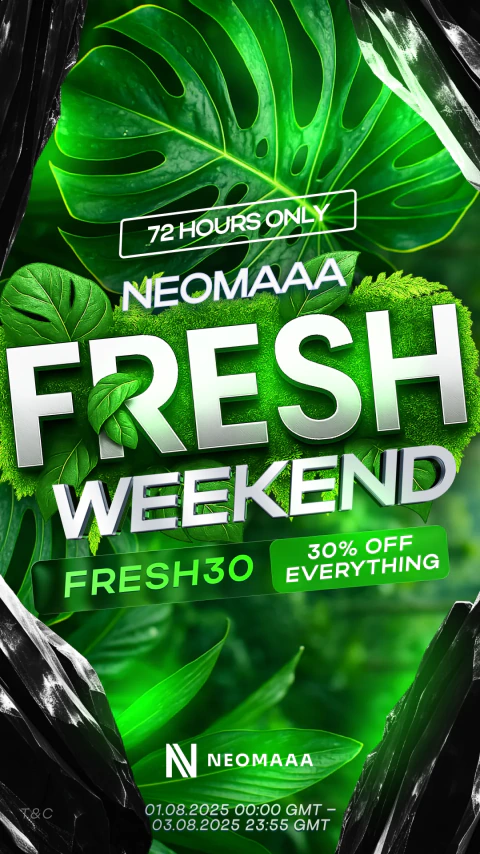
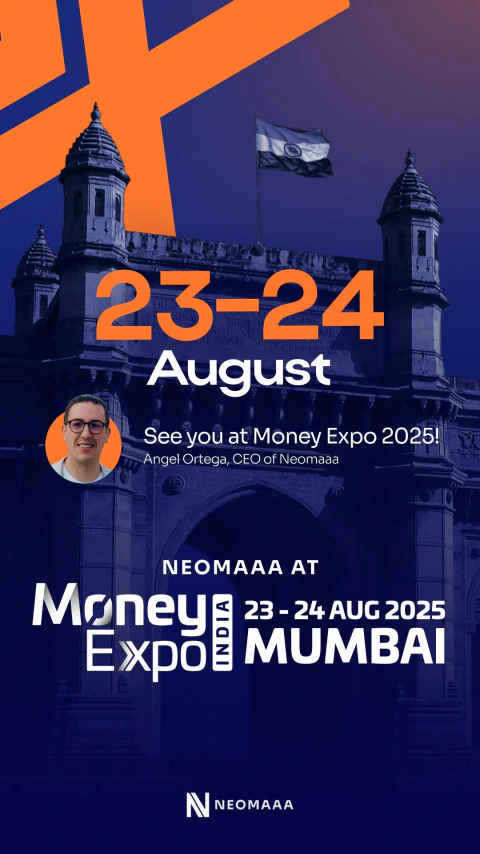
Promotional stories
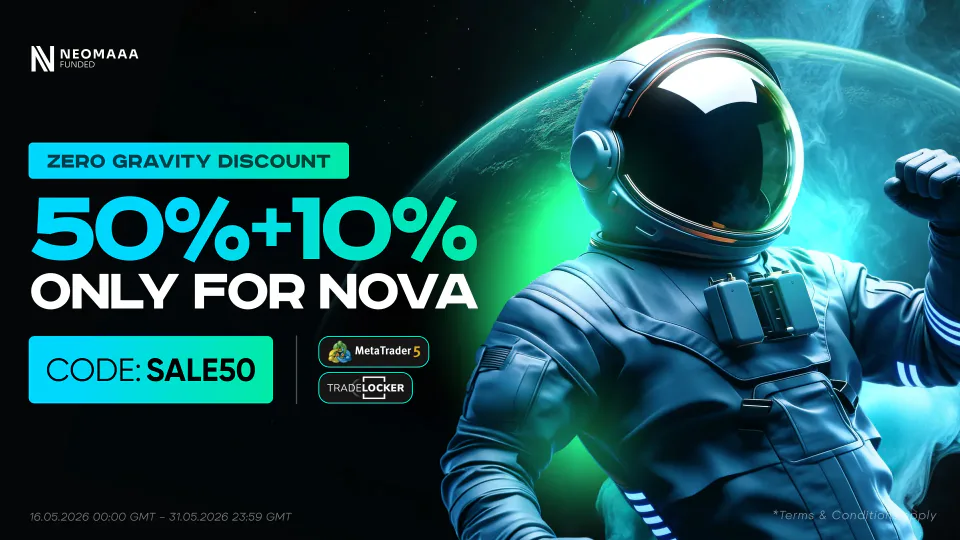
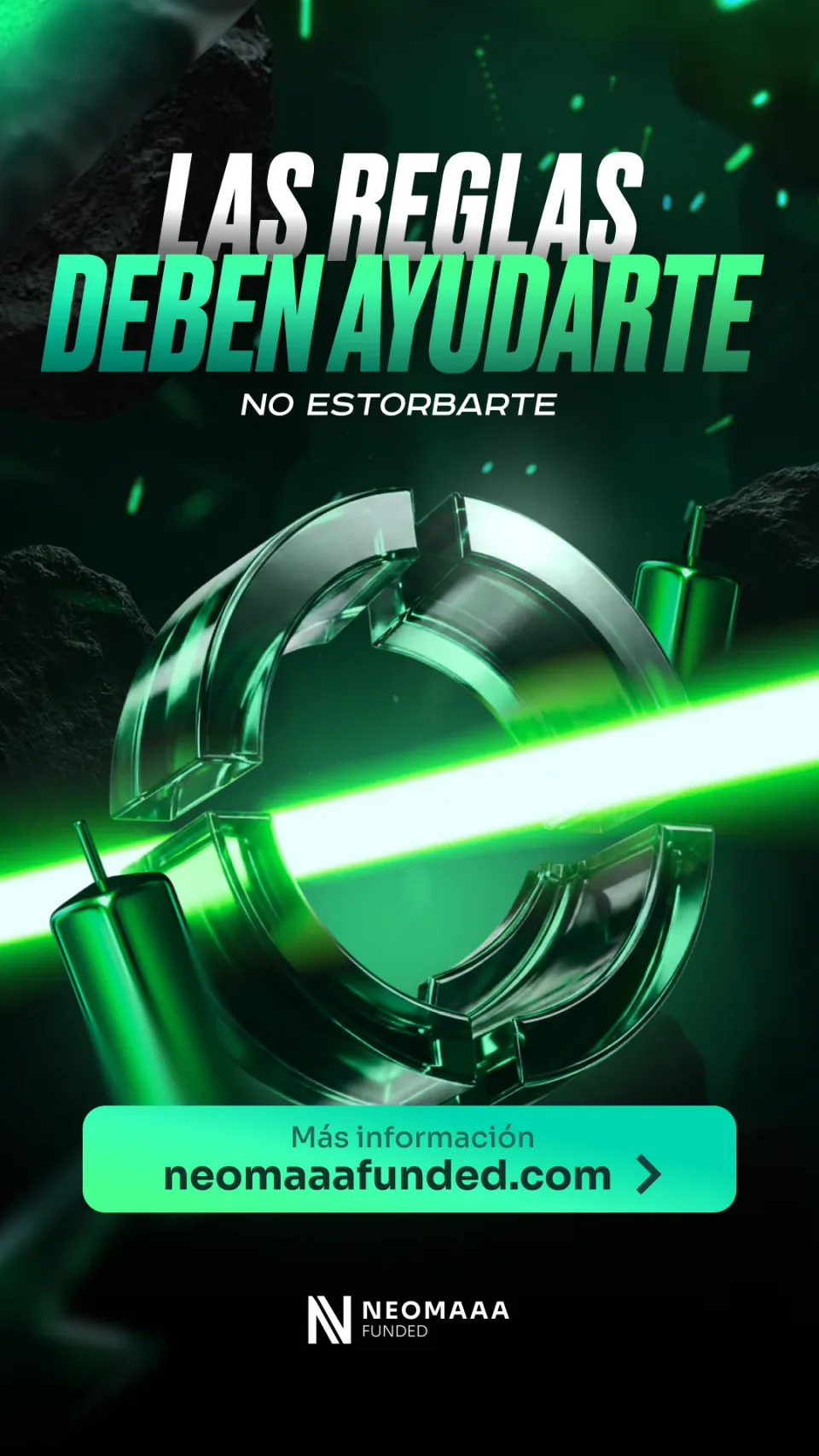
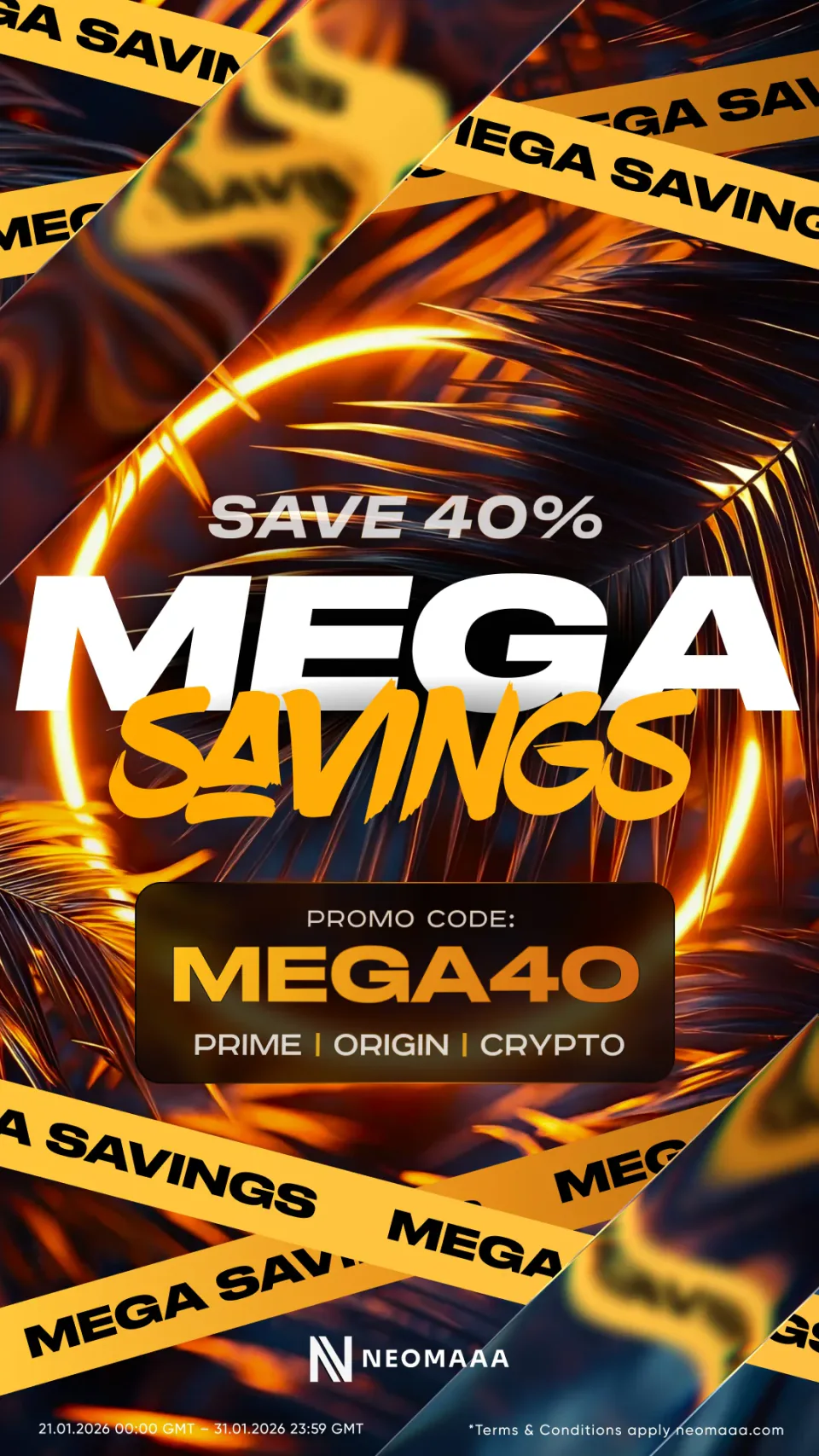
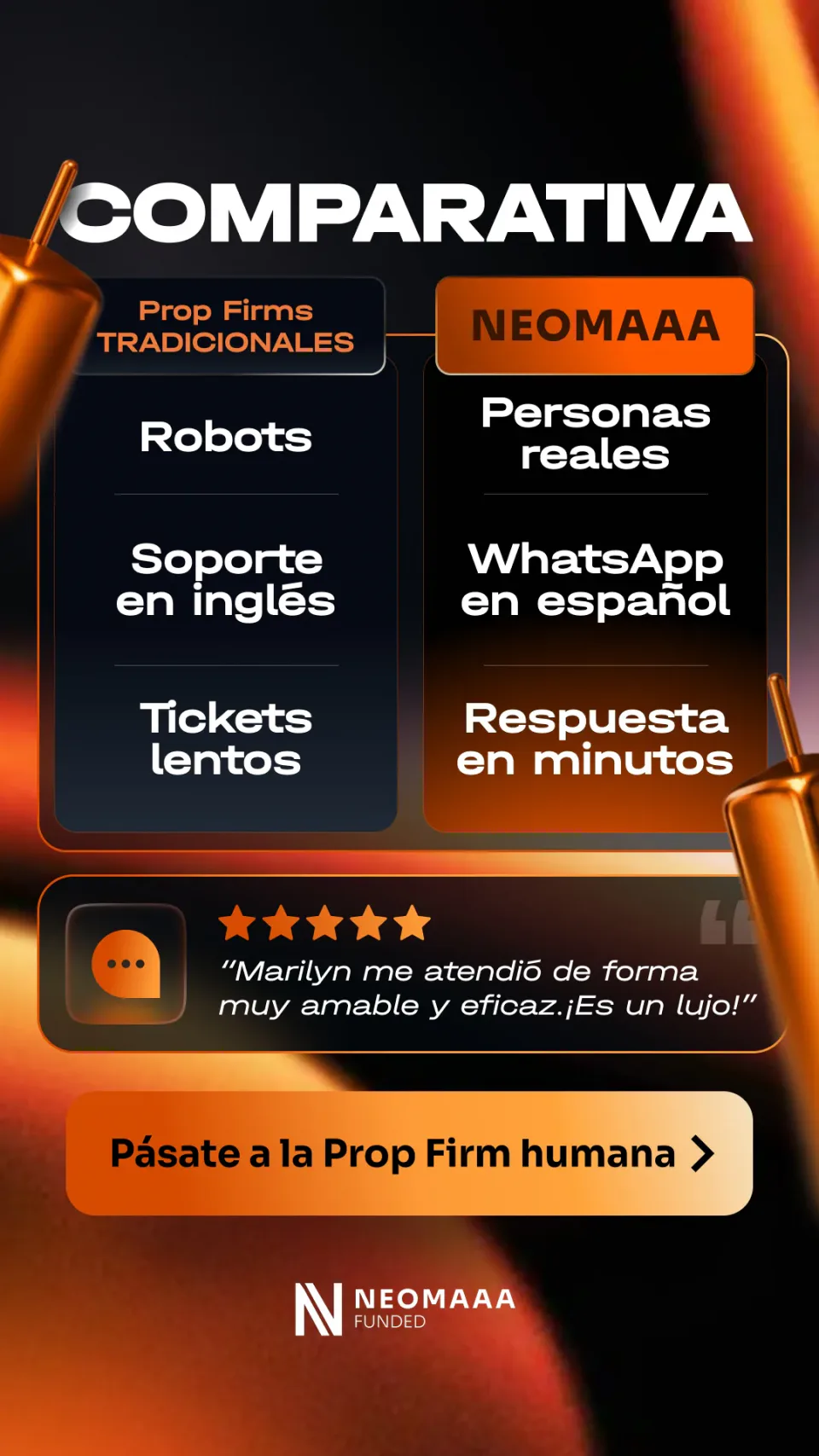
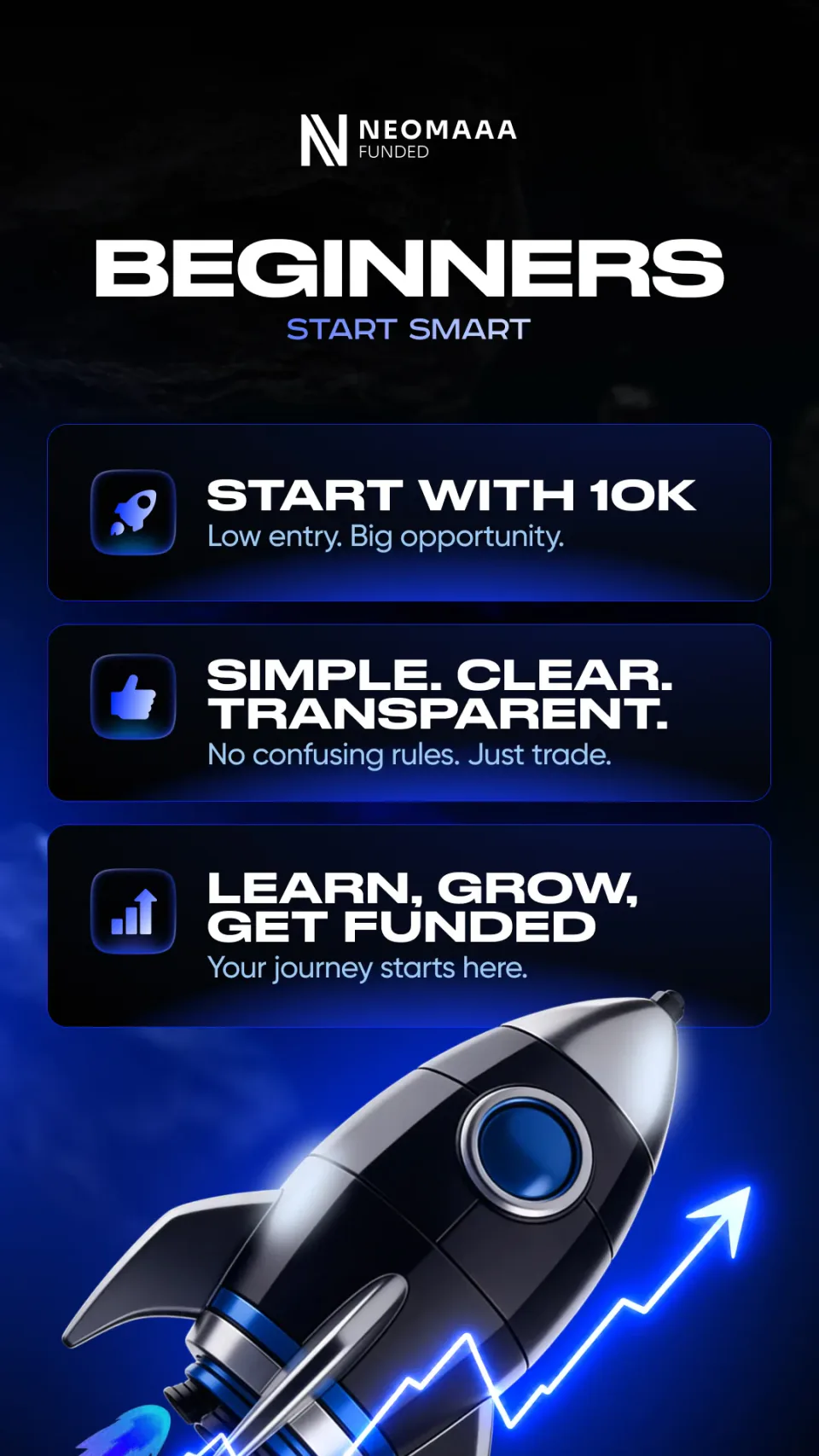
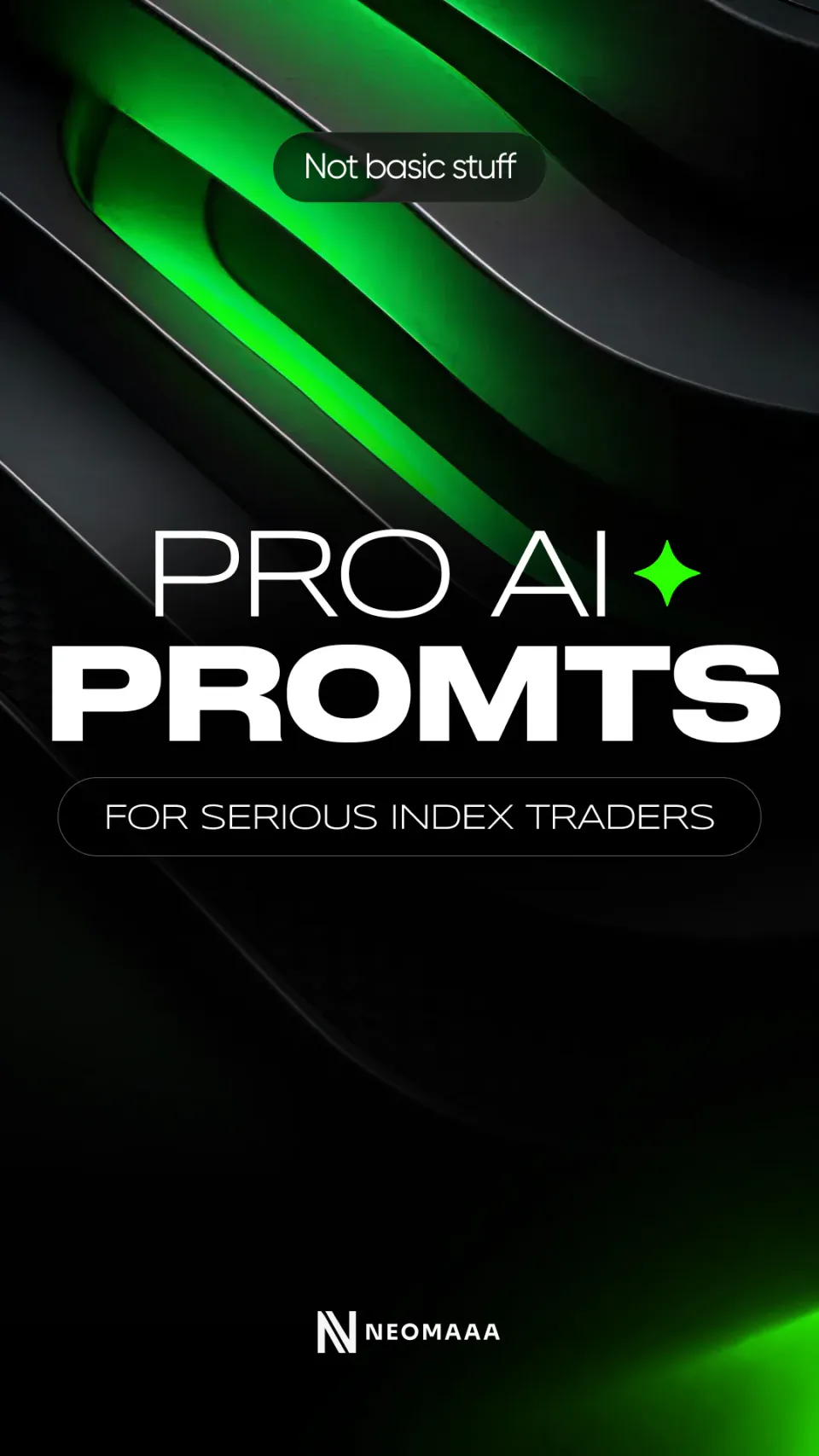
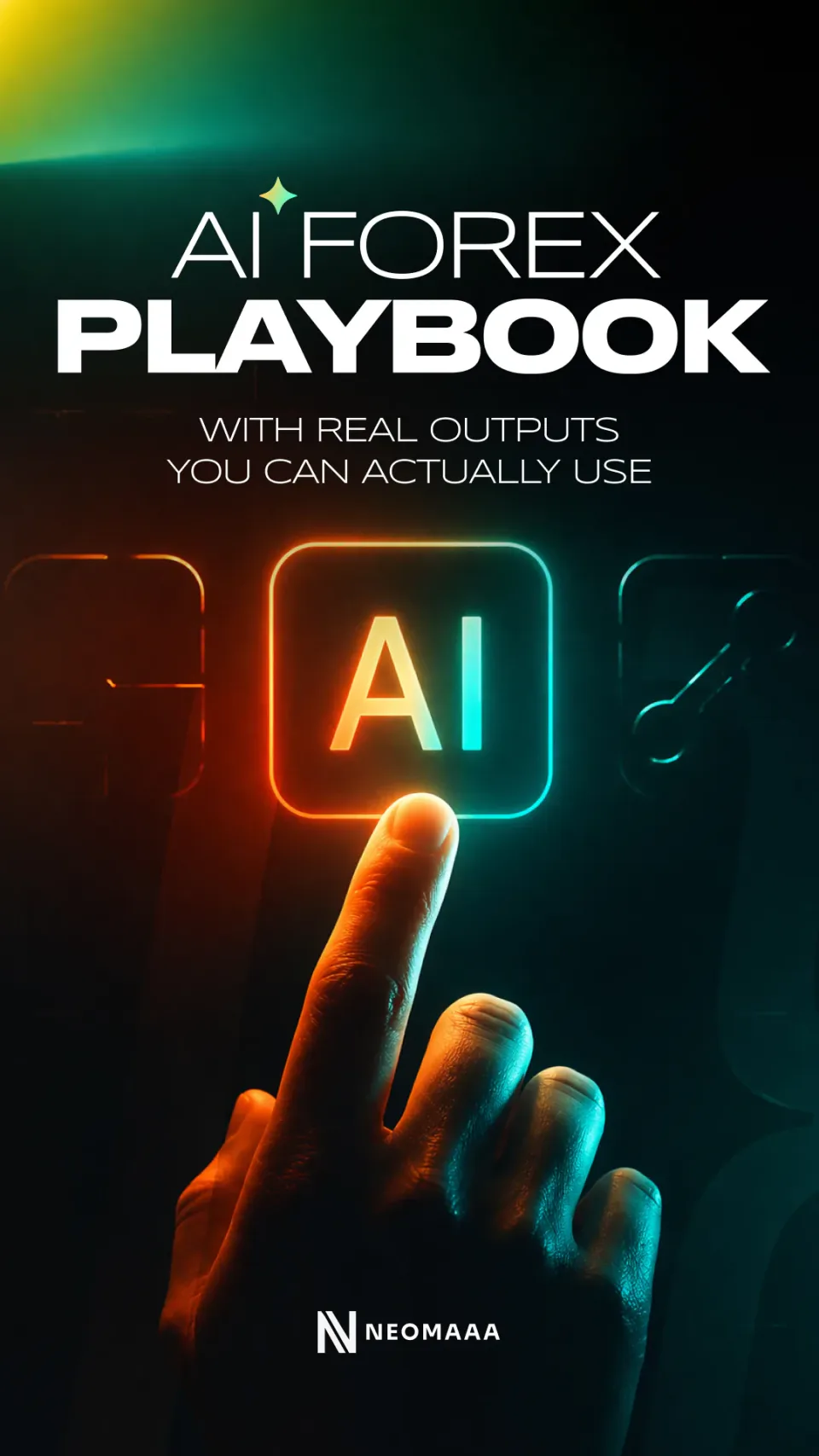
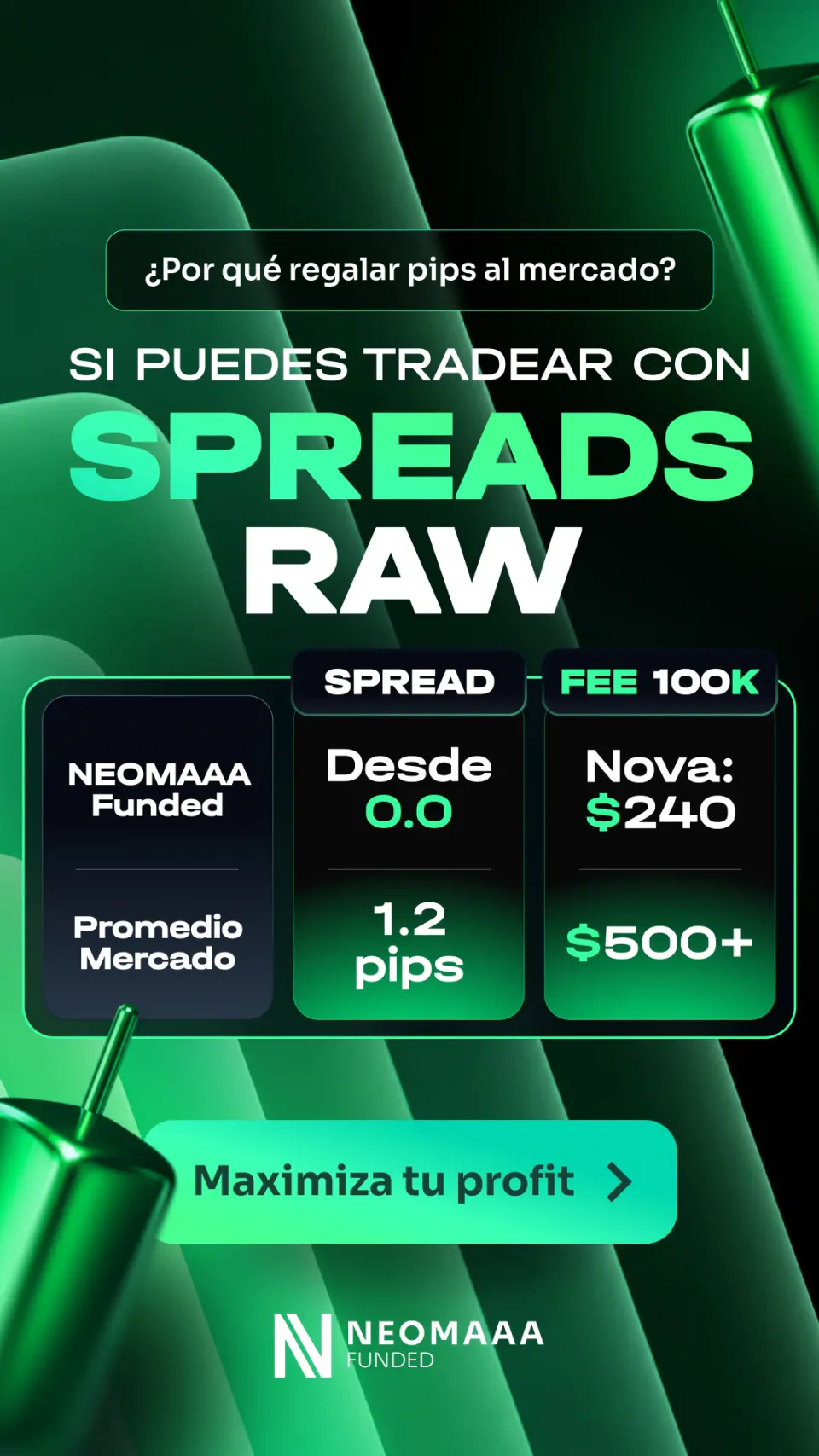
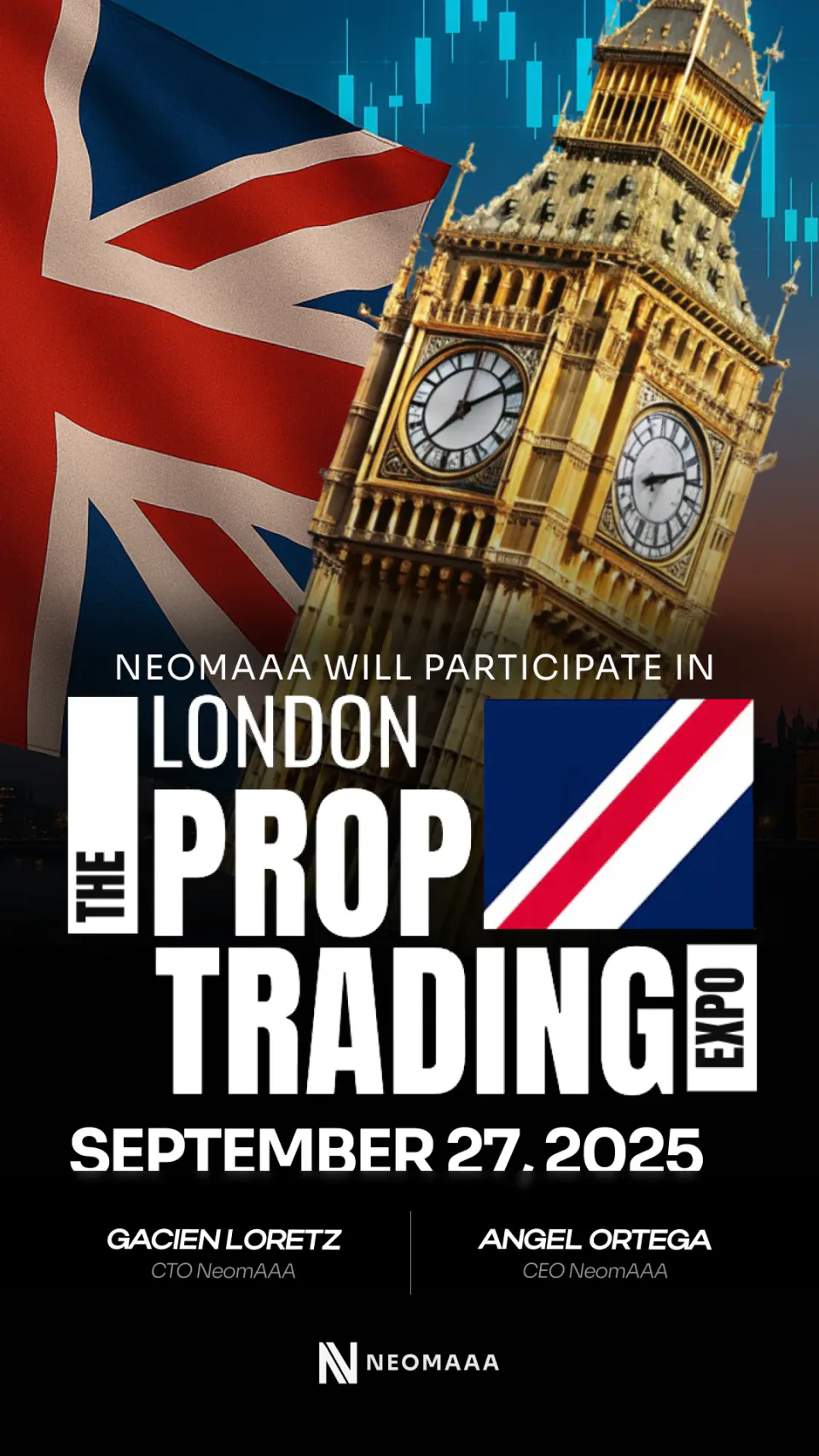
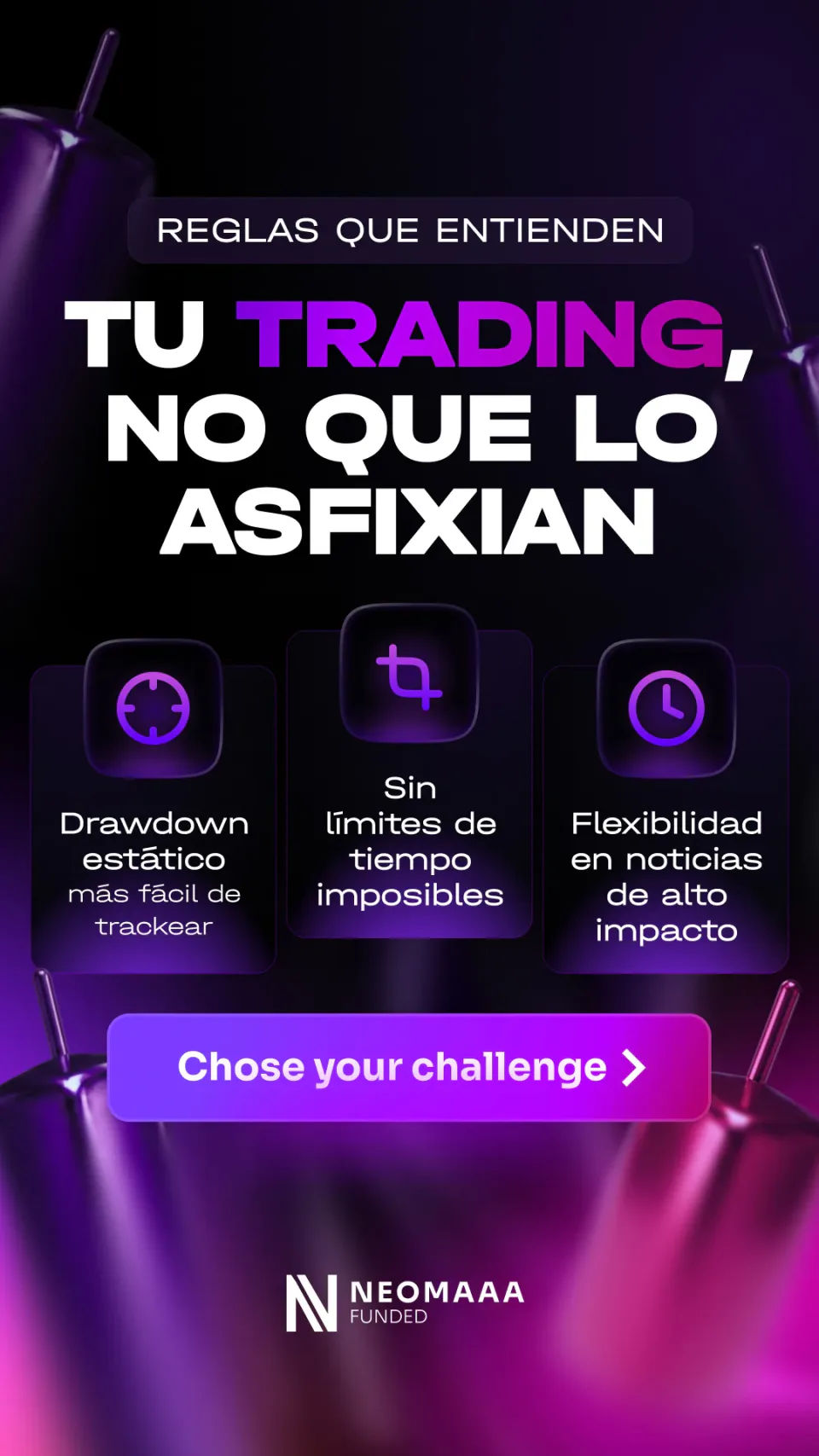
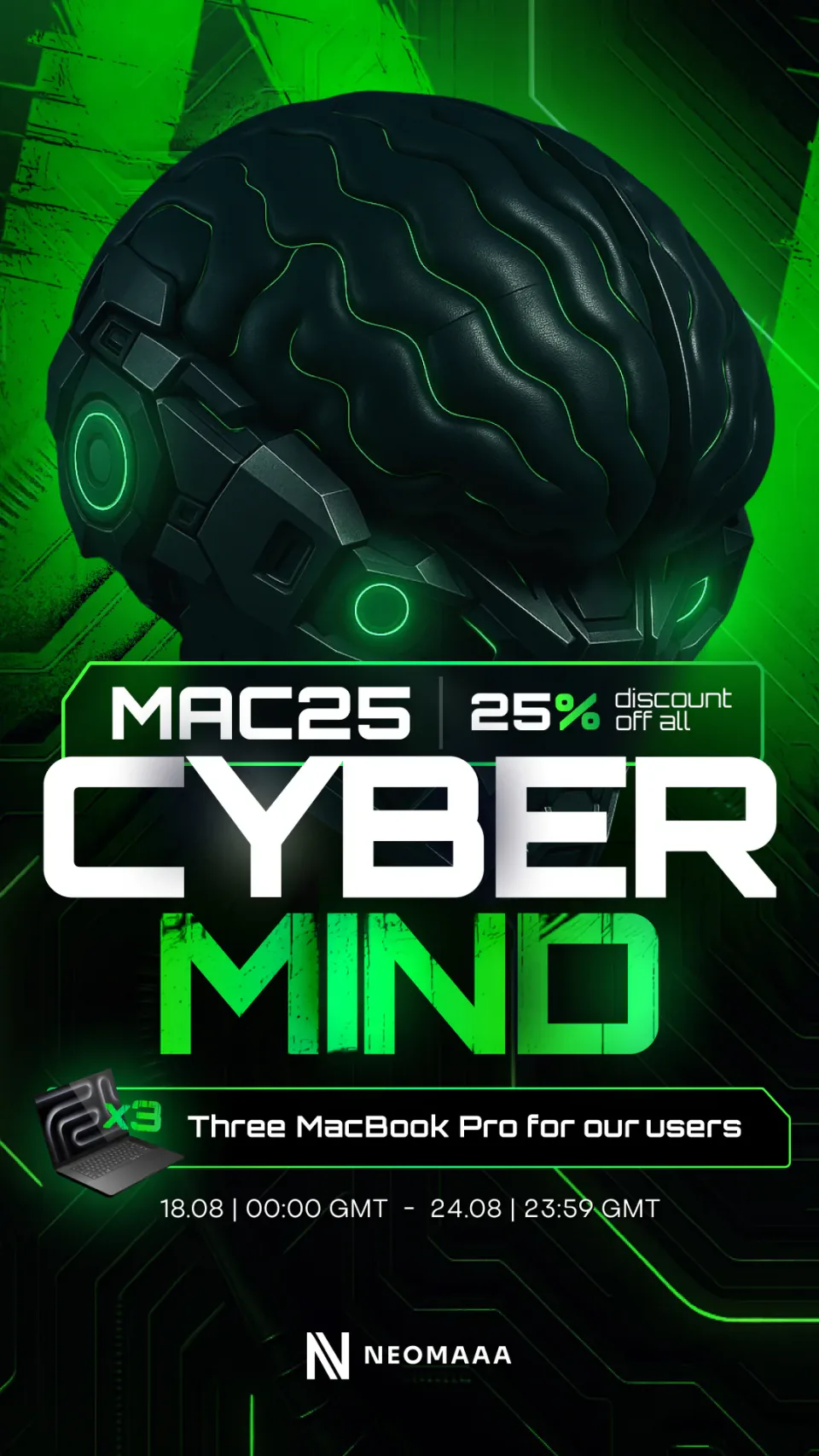
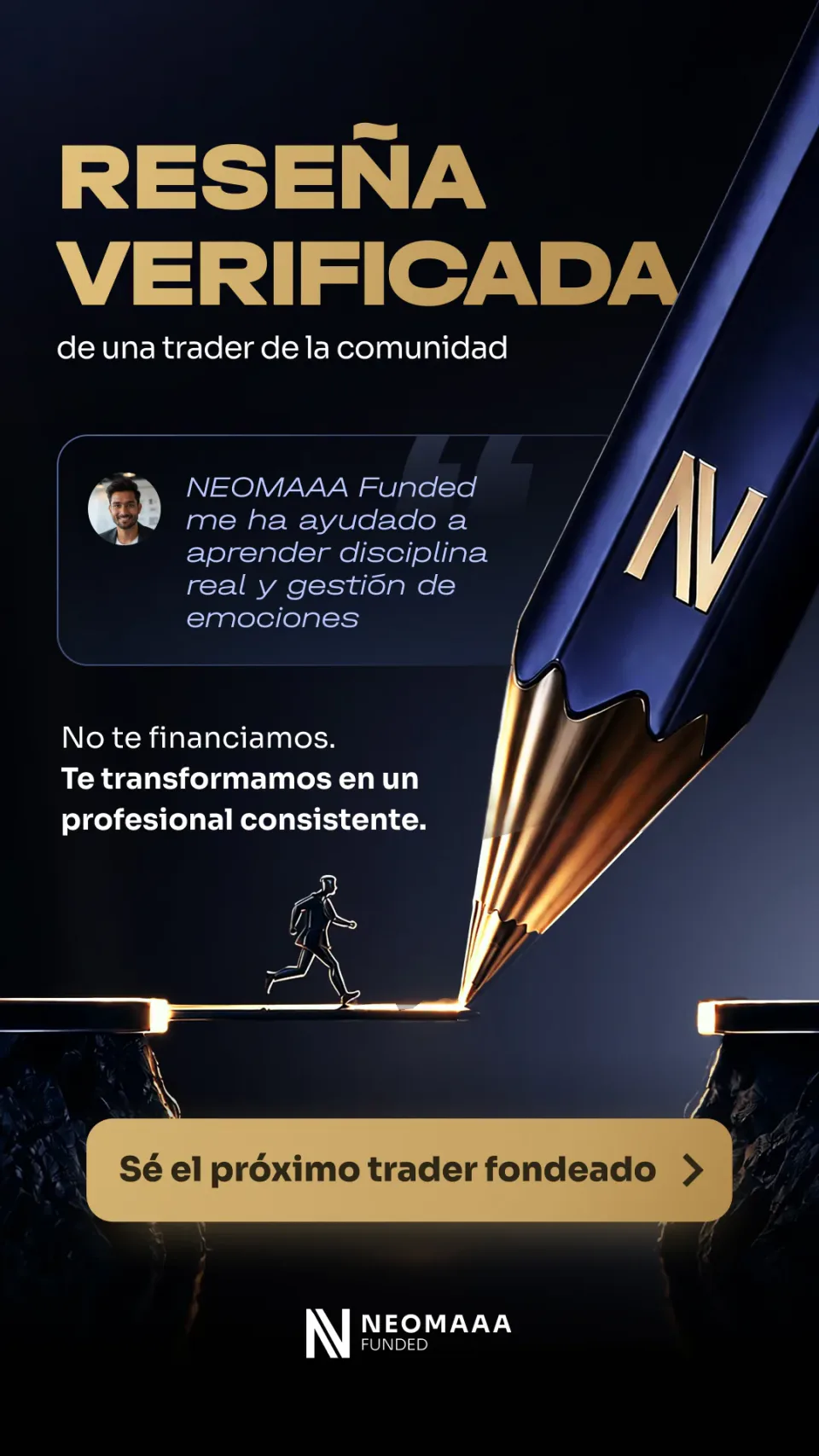
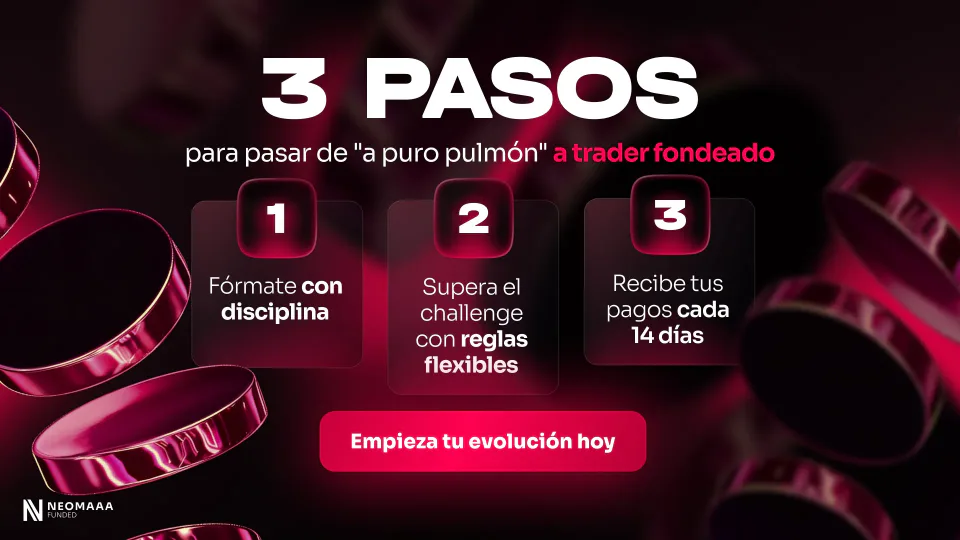
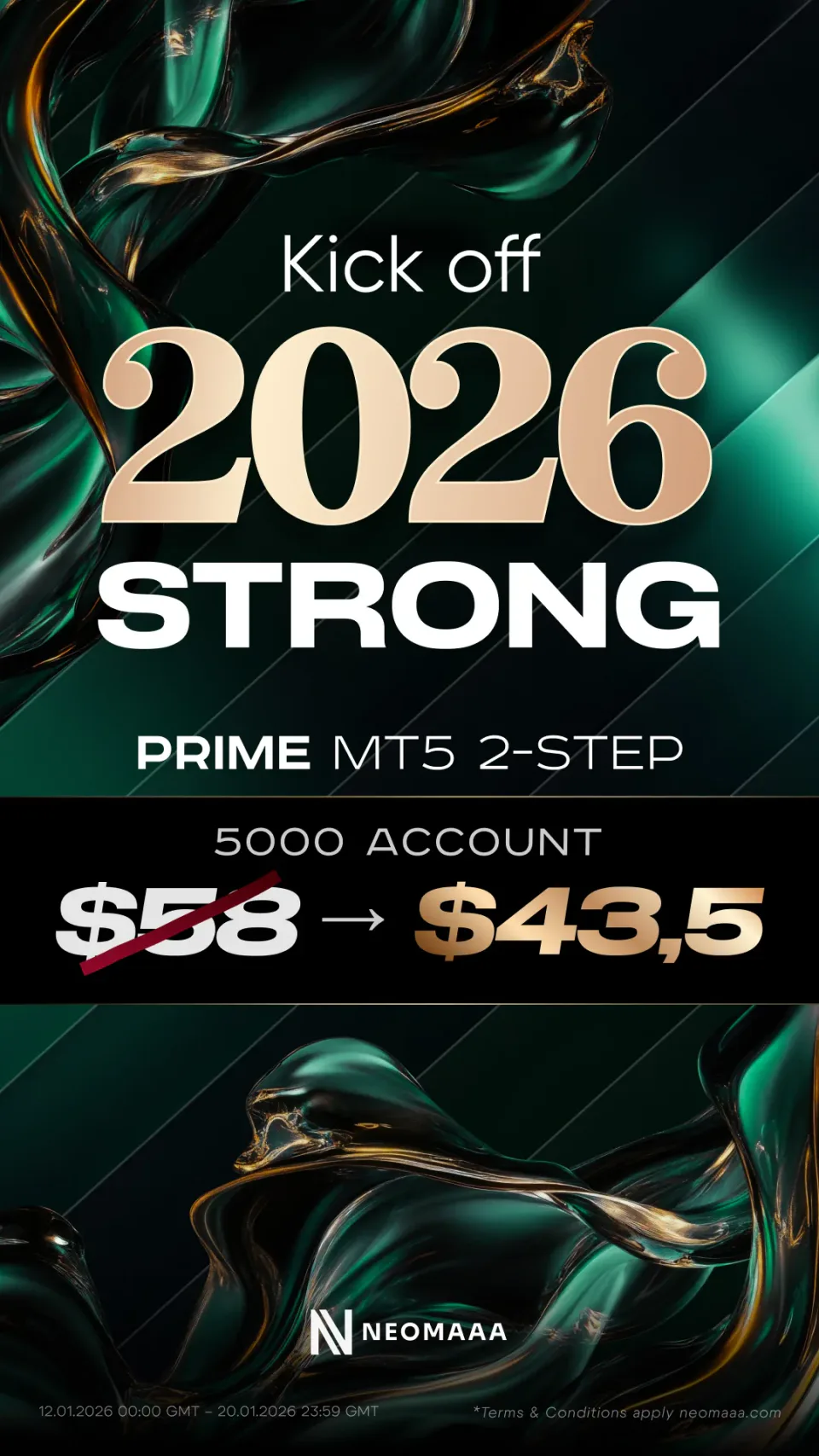
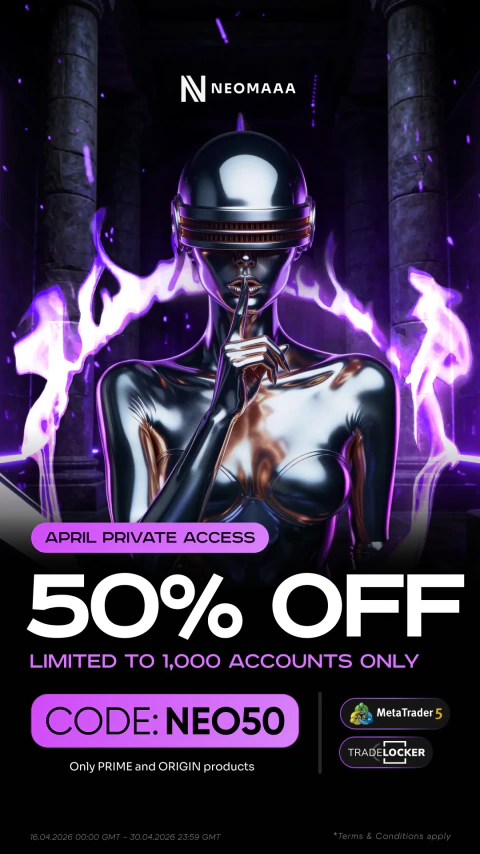
Stories for promotions and sales. One format, a 9:16 vertical, and no end of occasions and languages: English, Spanish, Portuguese, plus separate runs for particular cities and dates.
Every one was built from scratch. The template set the grid and the typography, never the image. Swapping a background and a number wasn’t enough, or the feed turned into one layout on repeat.
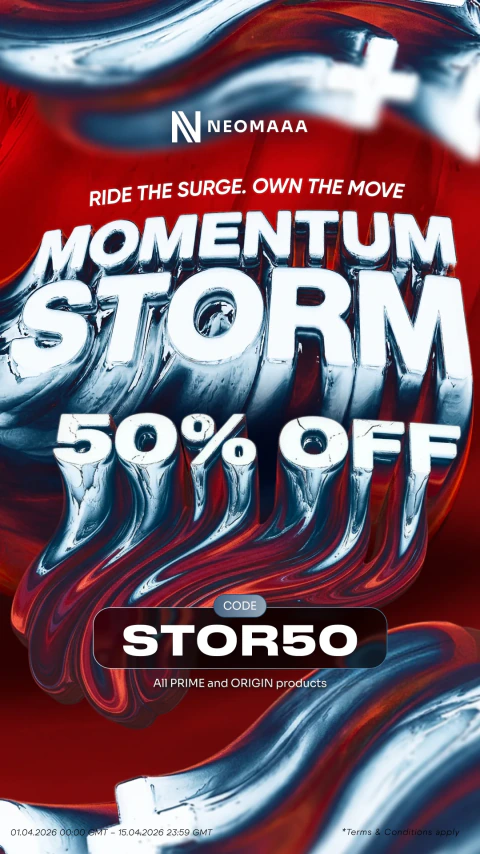
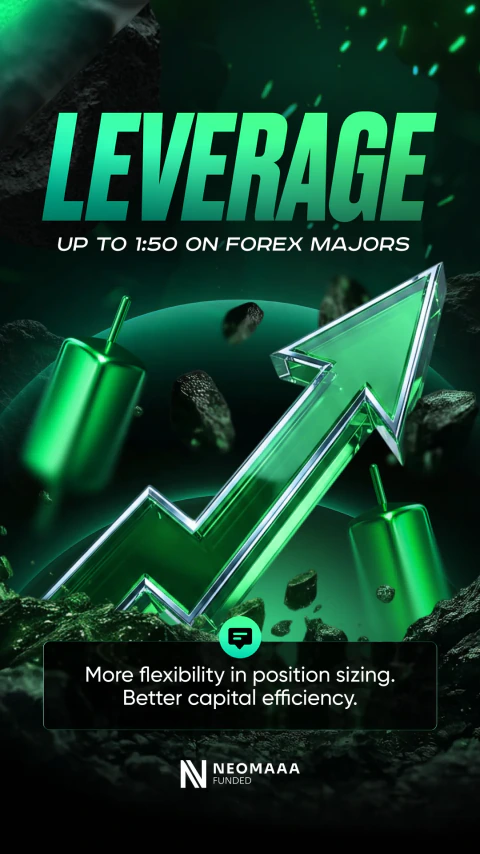

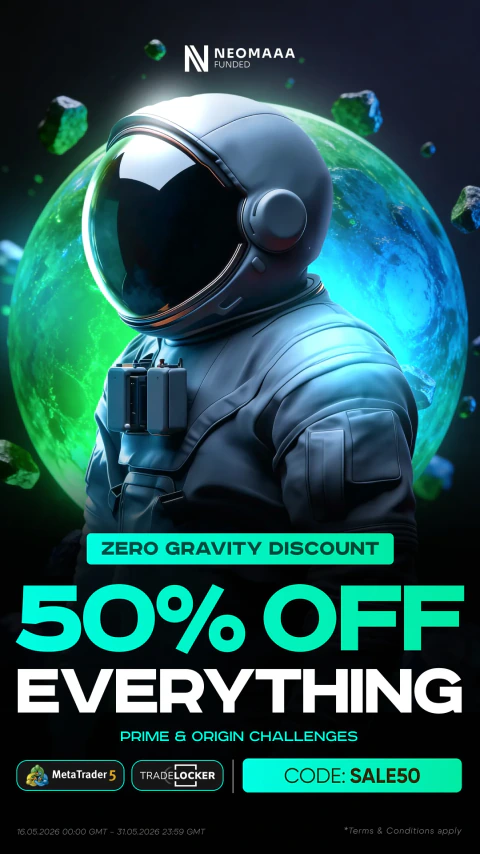







One series, six versions
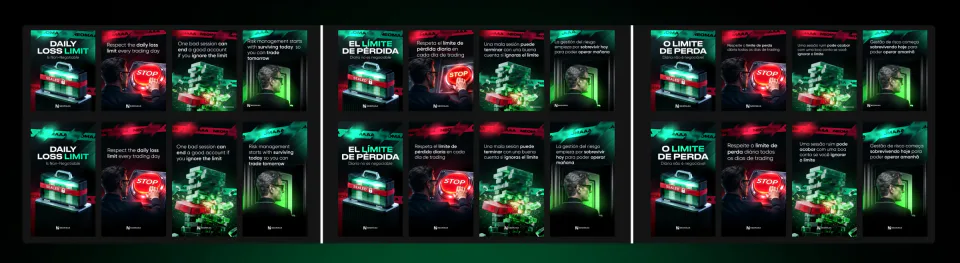
A series is a connected argument: the thought unfolds slide by slide, the first one hooks you, the middle explains, the last one lands the point. They run from four to seven slides.
And every series goes out as a feed post and a story, in all three languages: English, Spanish and Portuguese. The first frame shows one series in full, laid out that way.
Six versions of every slide. A four-slide series comes to twenty four finished layouts, a seven-slide one to forty two.
The second frame shows the same material in the wider layout: product announcements, the product line by language, the post series, and campaigns tied to particular dates. There are forty two series in there, and the one pulled apart above is just one of them.
One series, three languages, two formats
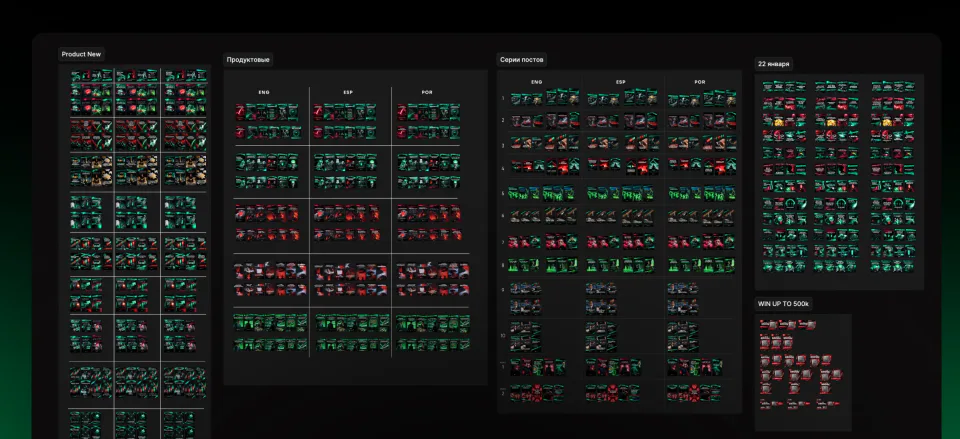
The same series inside the overall output
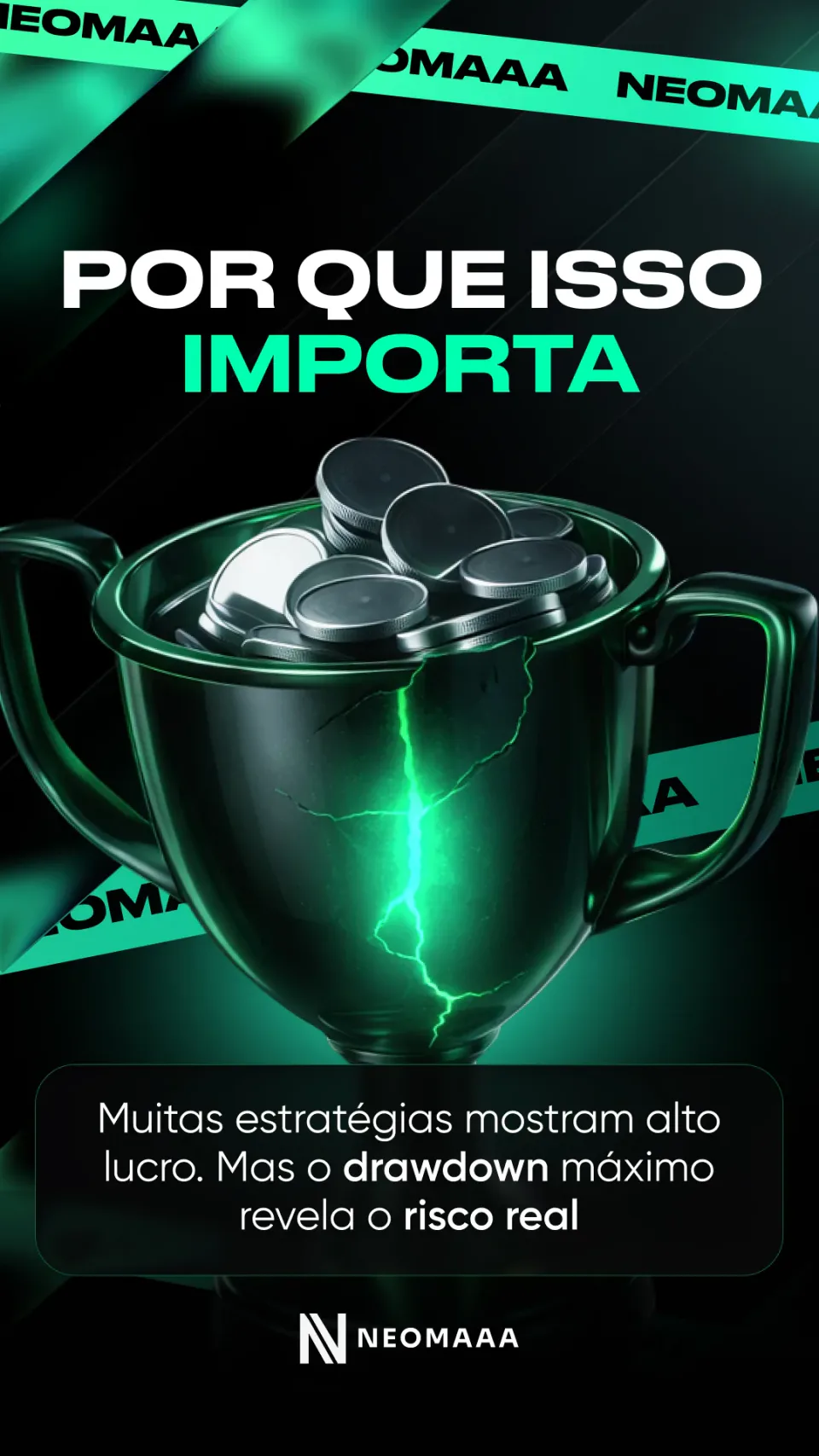
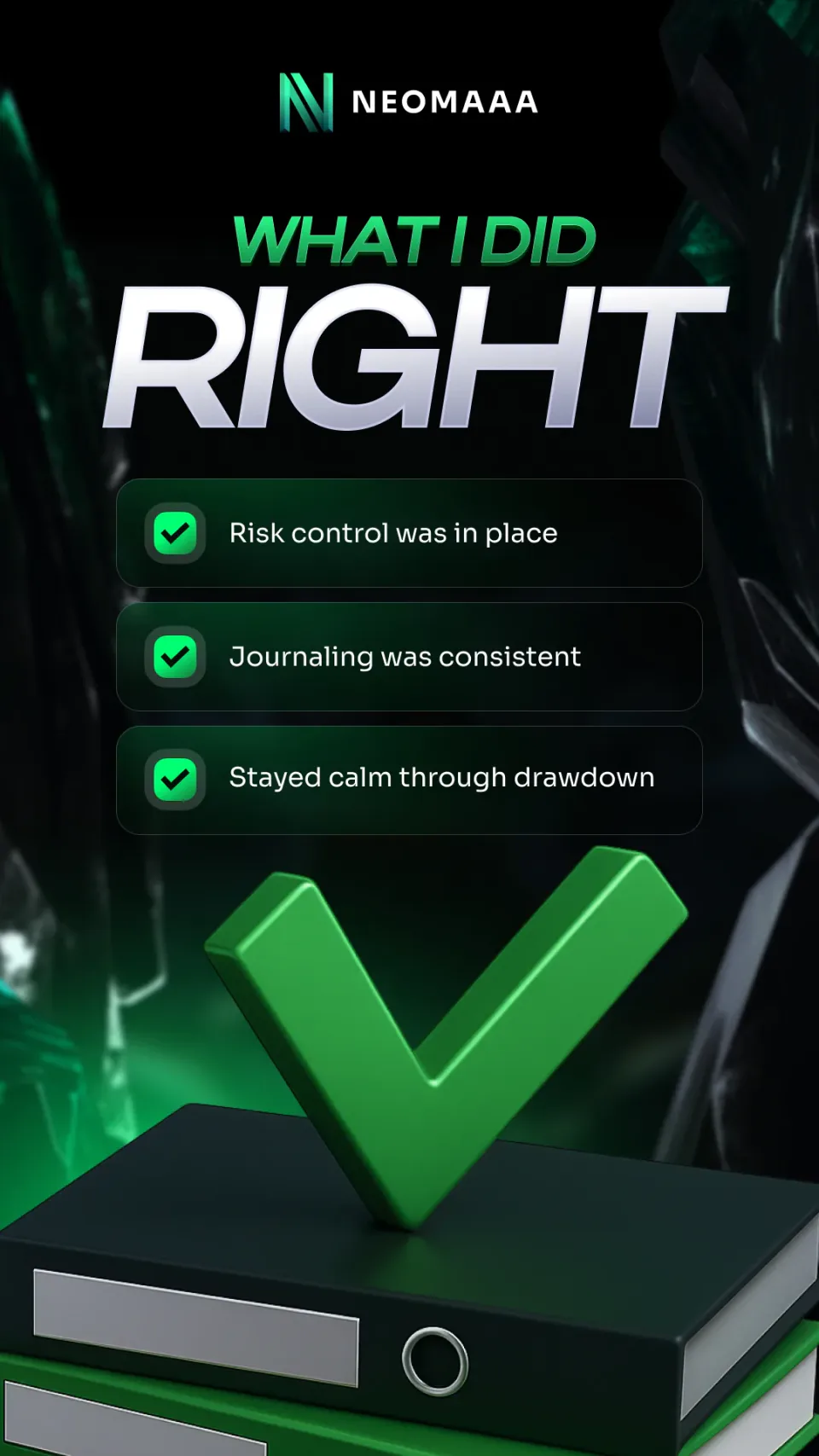
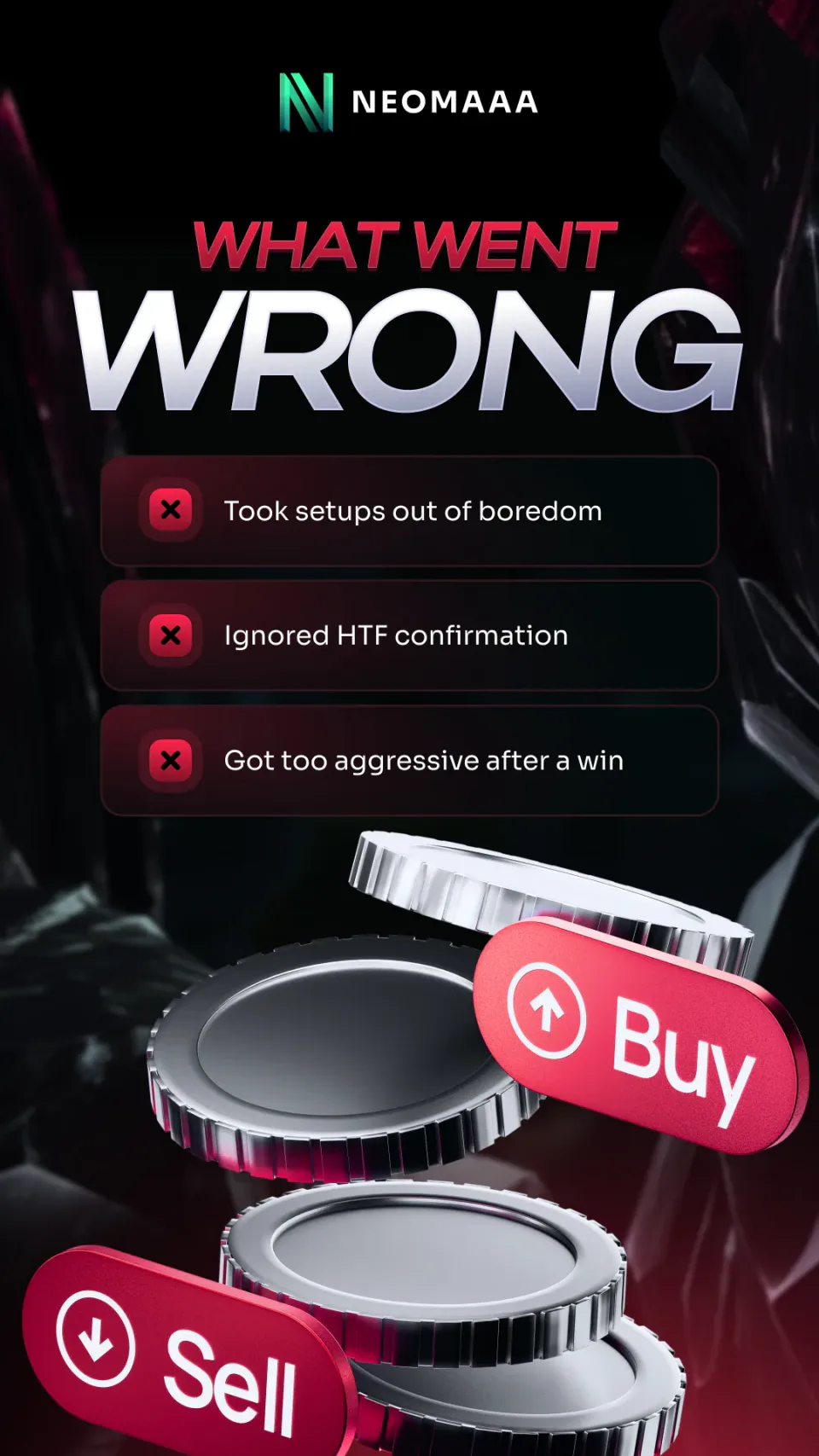
Four series in full
Each of the ones below is shown slide by slide, in the order people swiped through them.
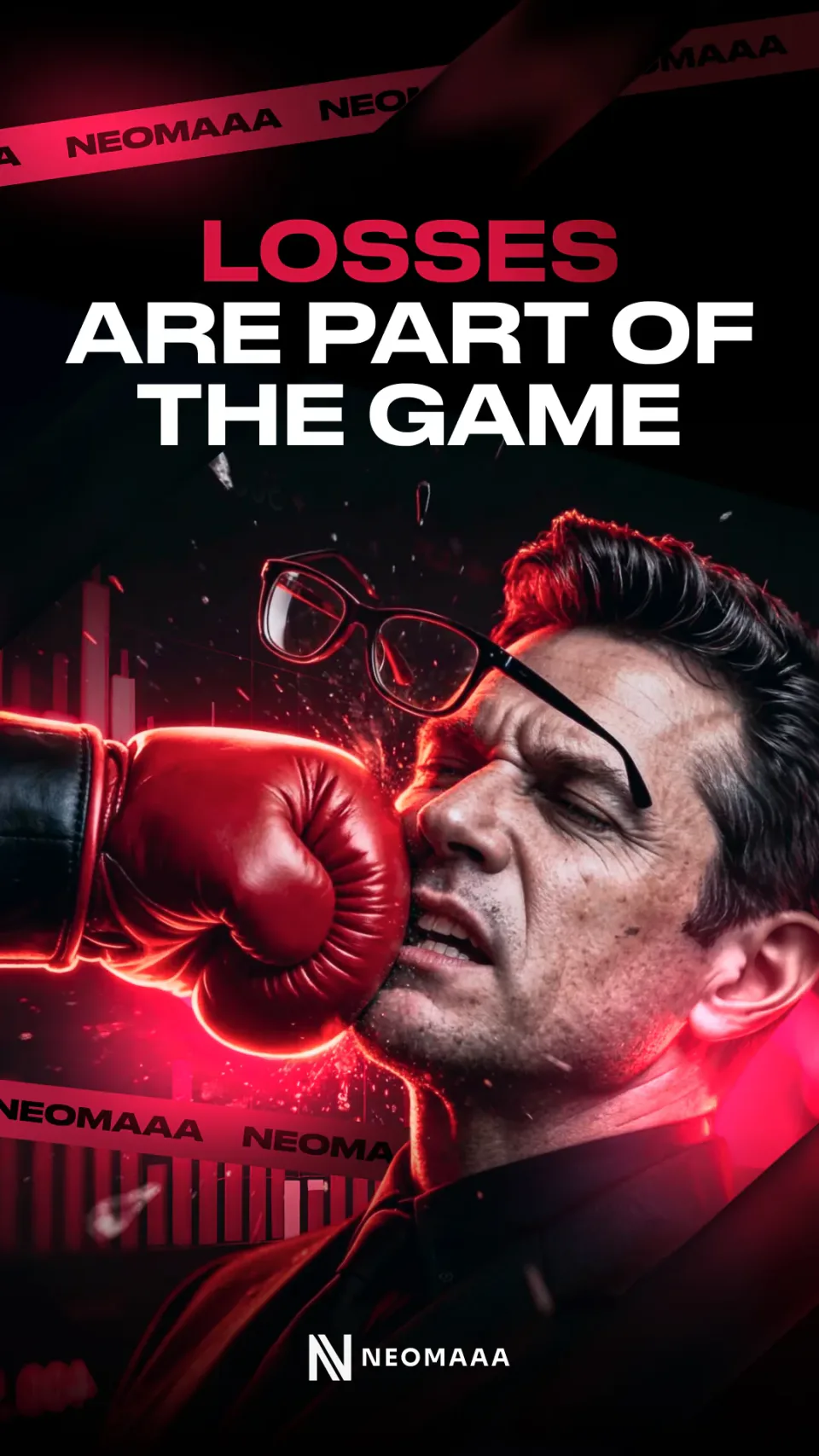
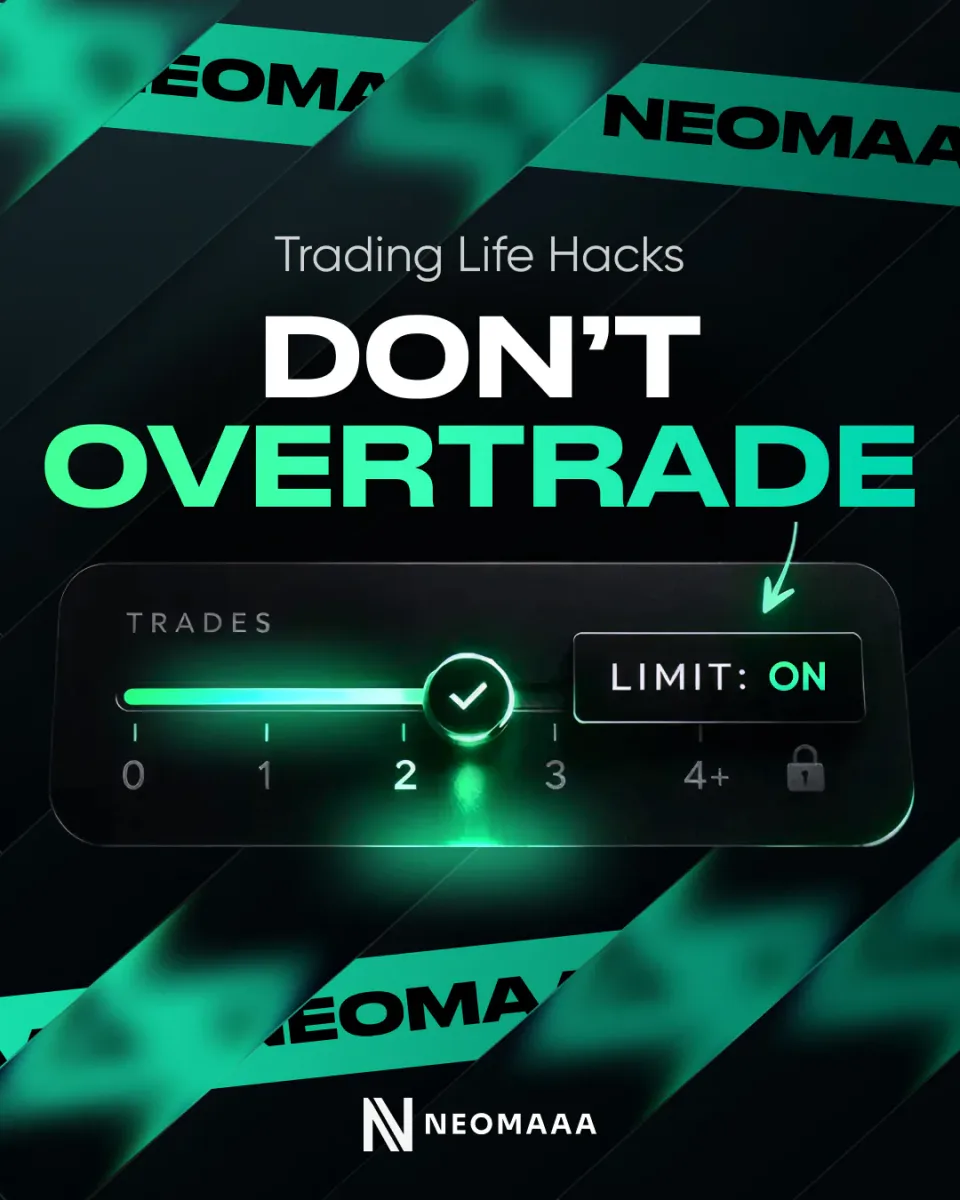
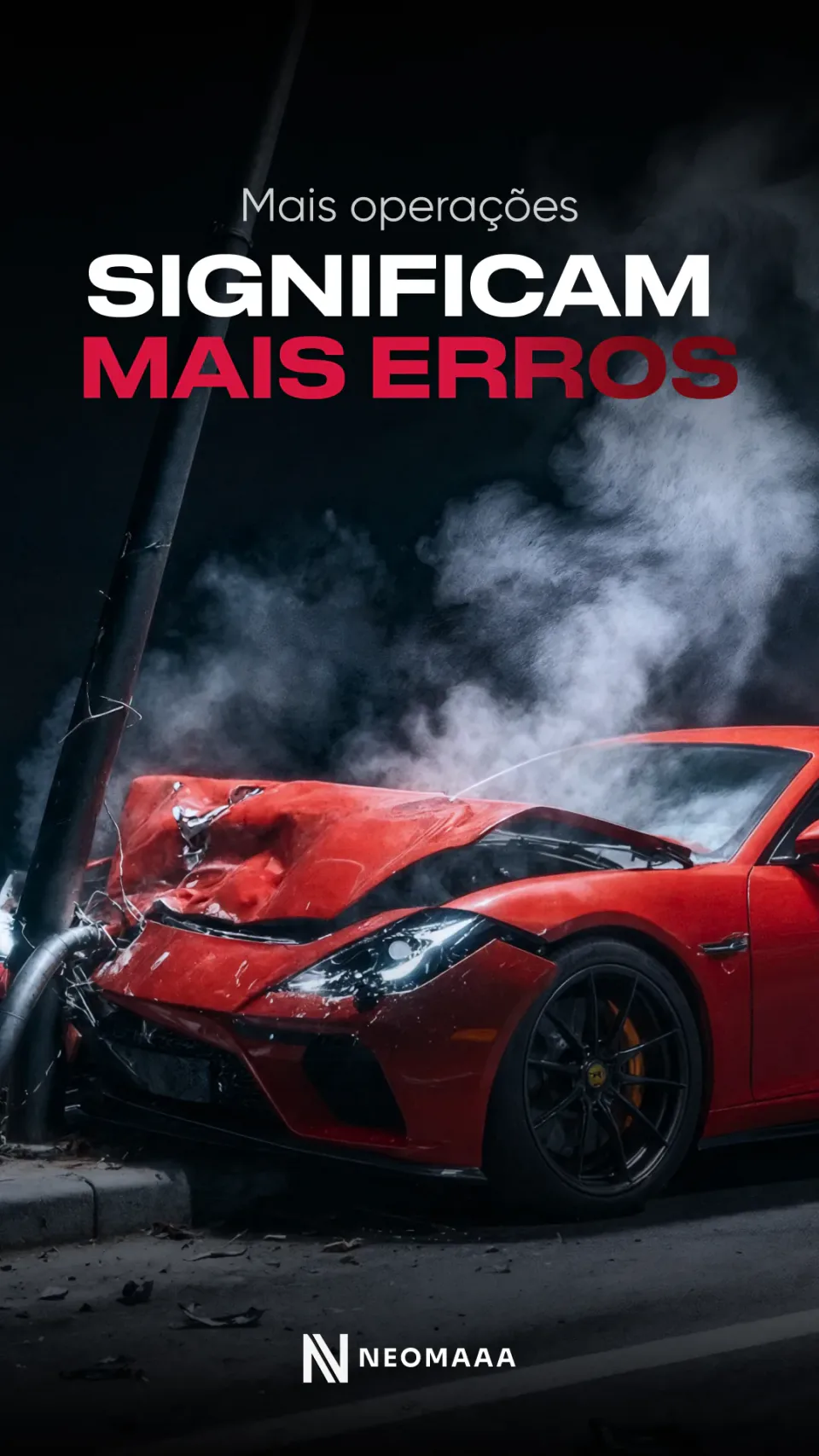
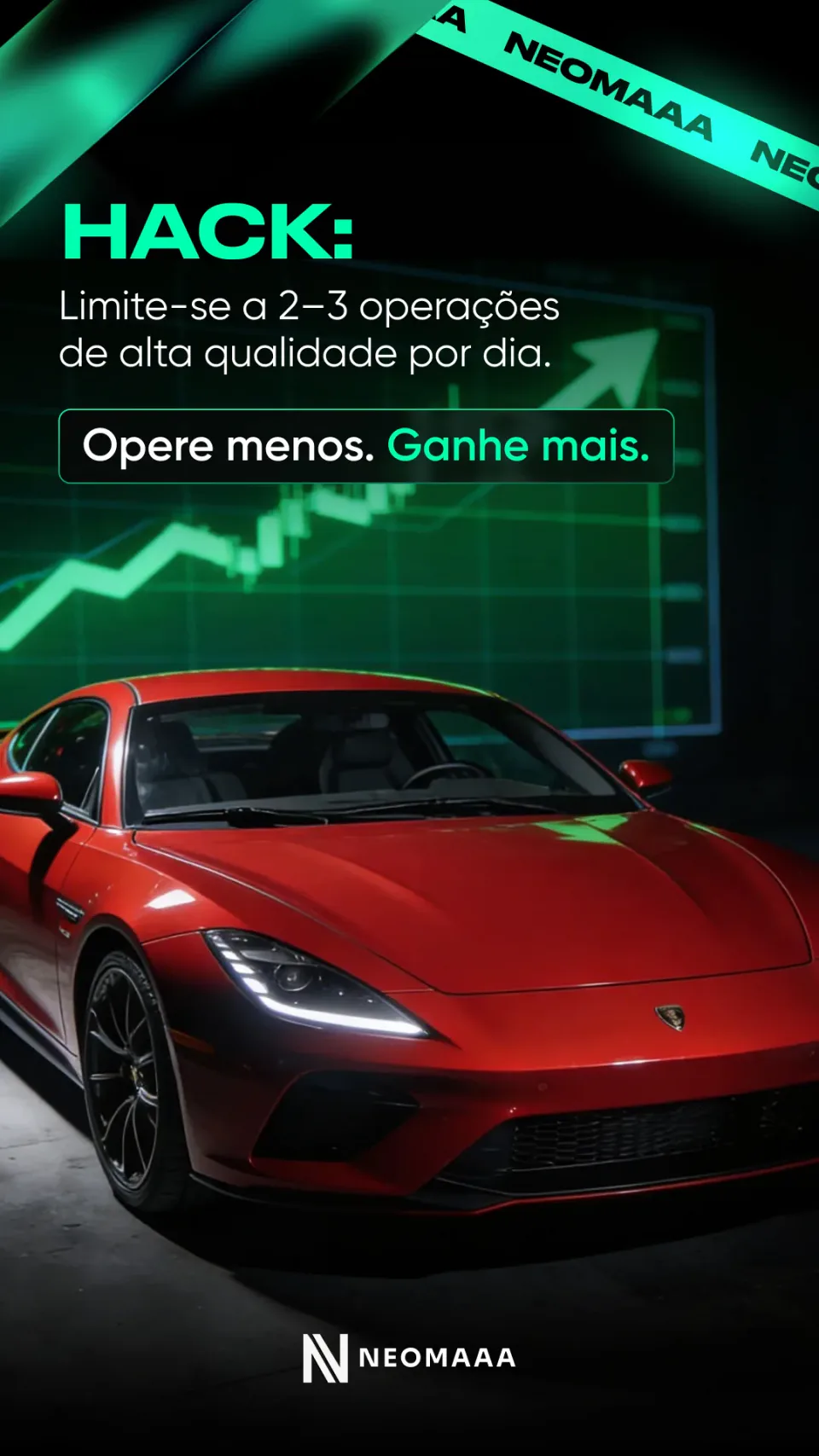
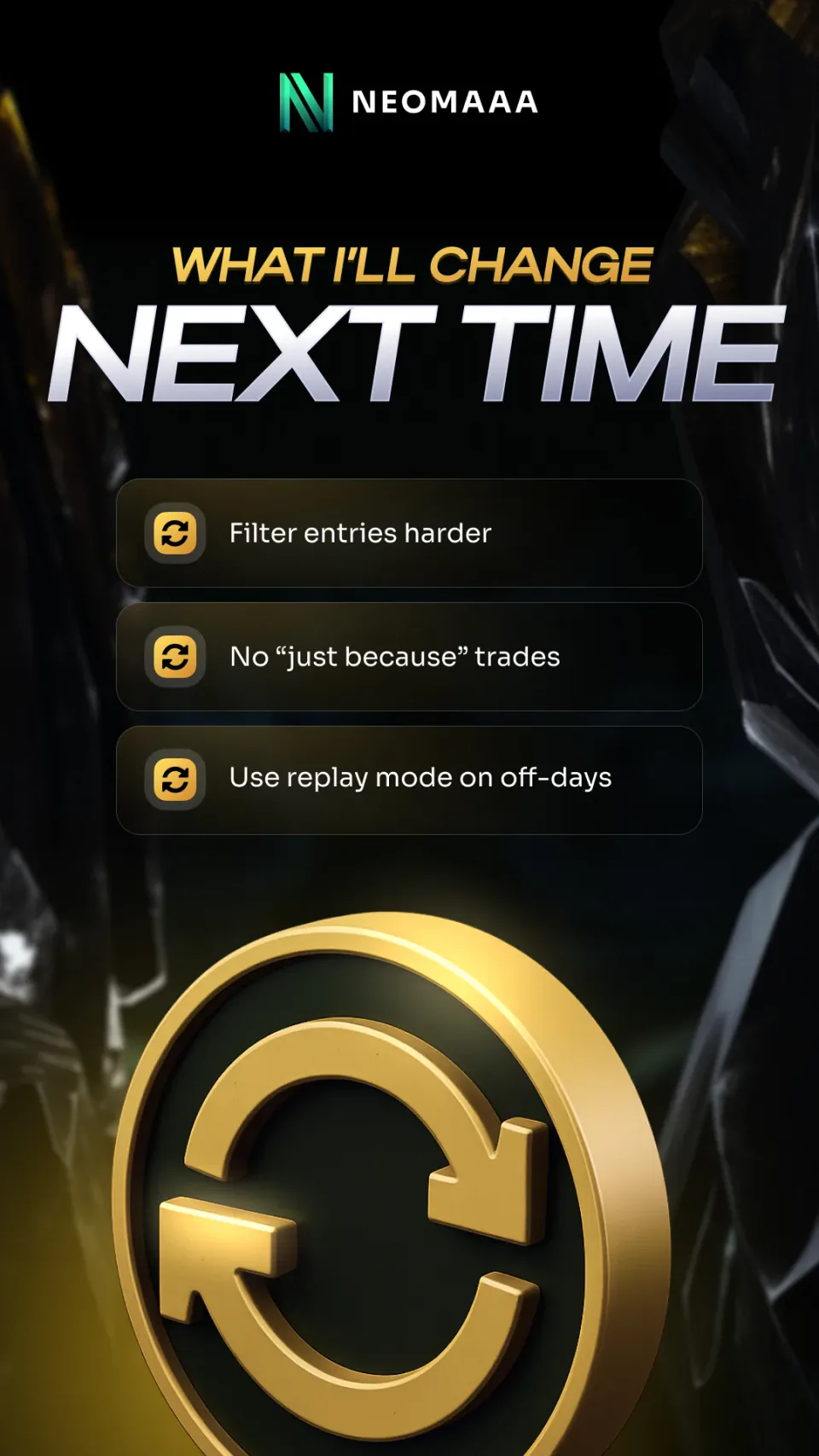
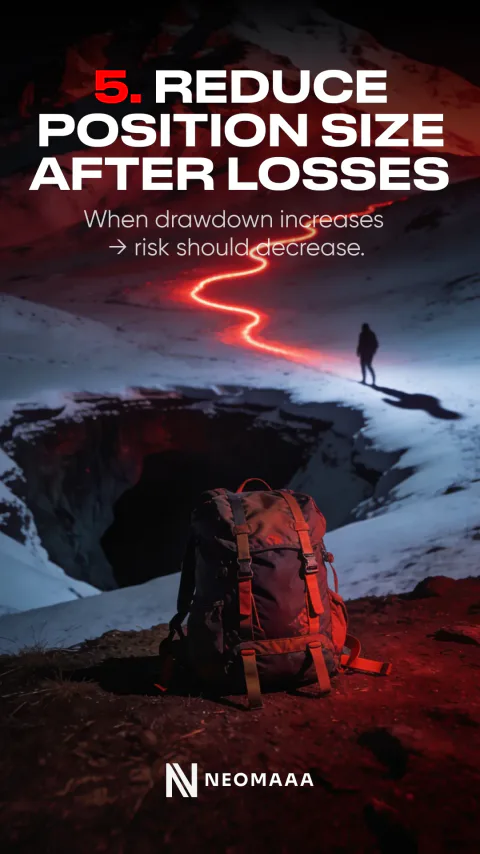
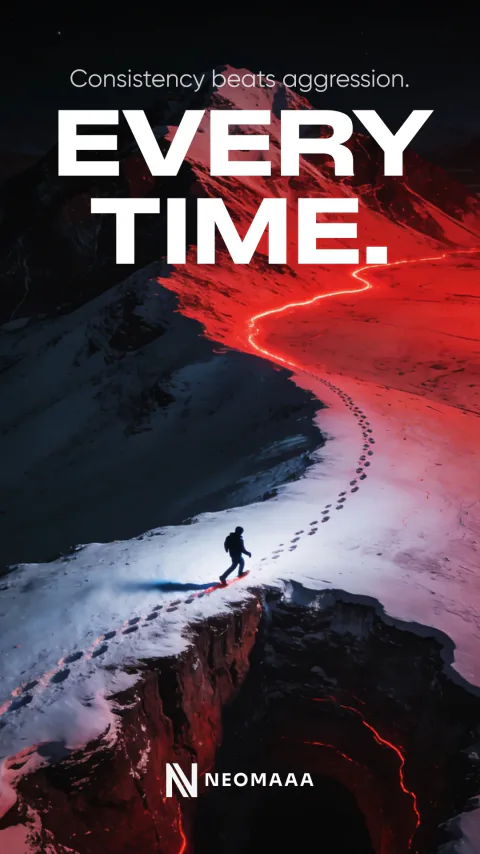
A title, five numbered rules, a conclusion. The numbering is doing real work: you can see how much is left, so people get to the end.
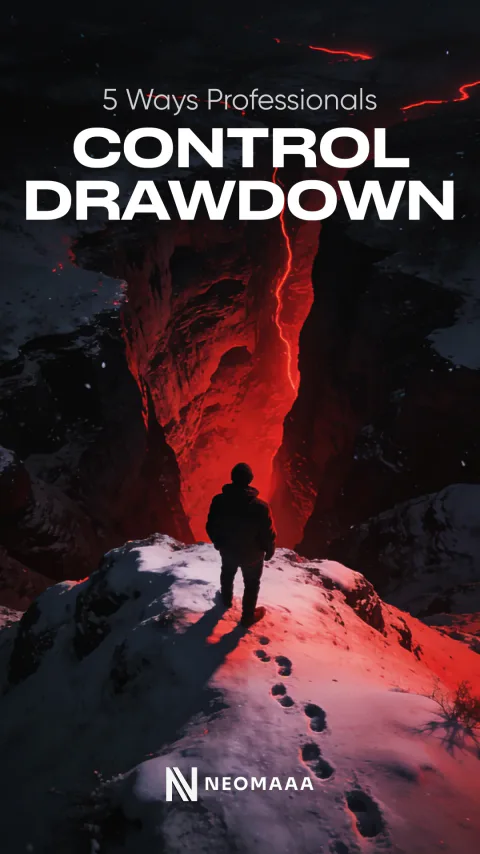
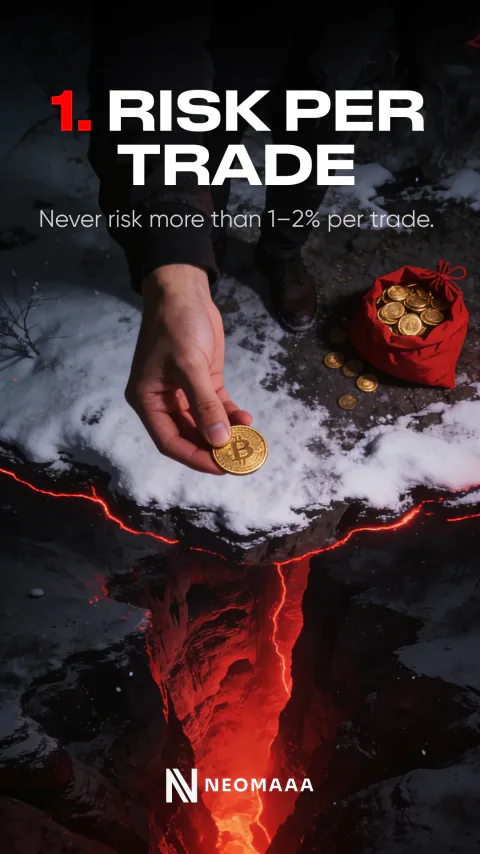
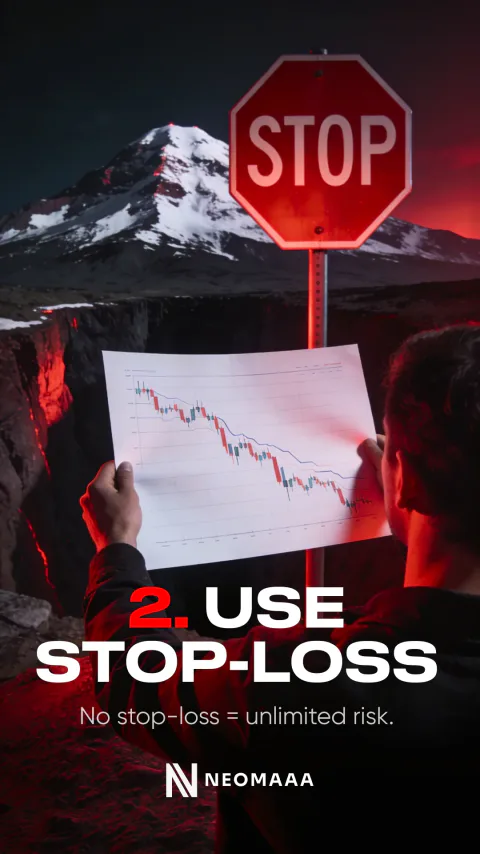
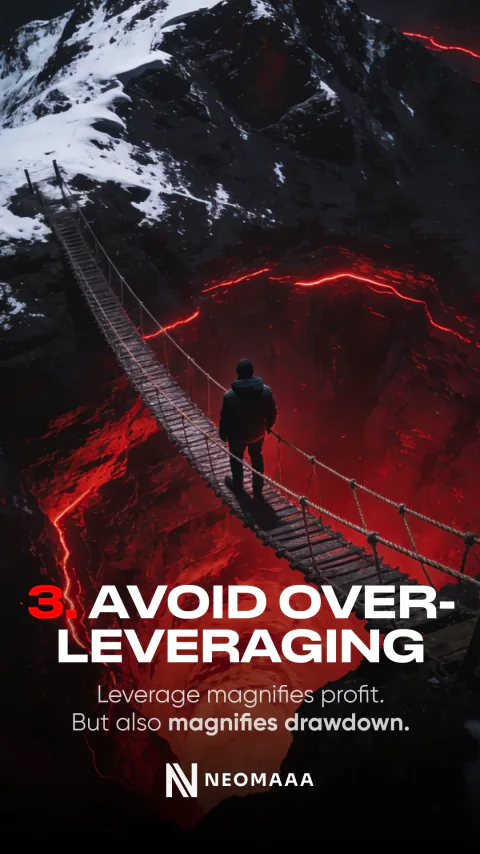
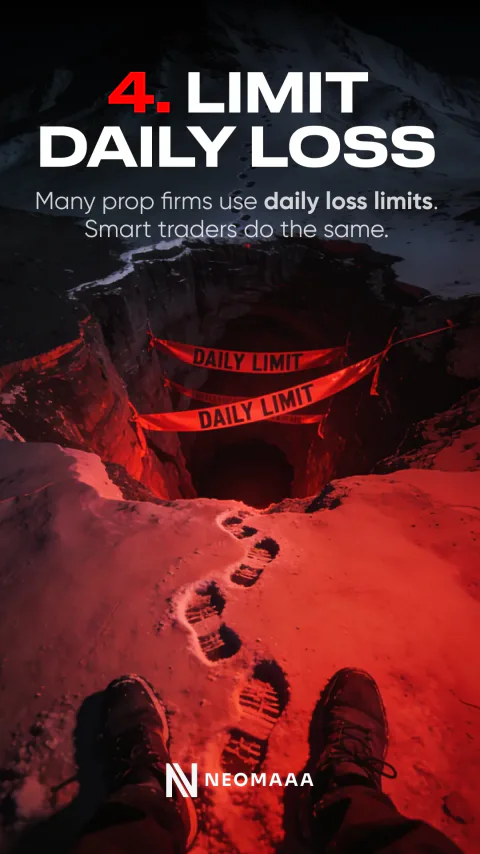
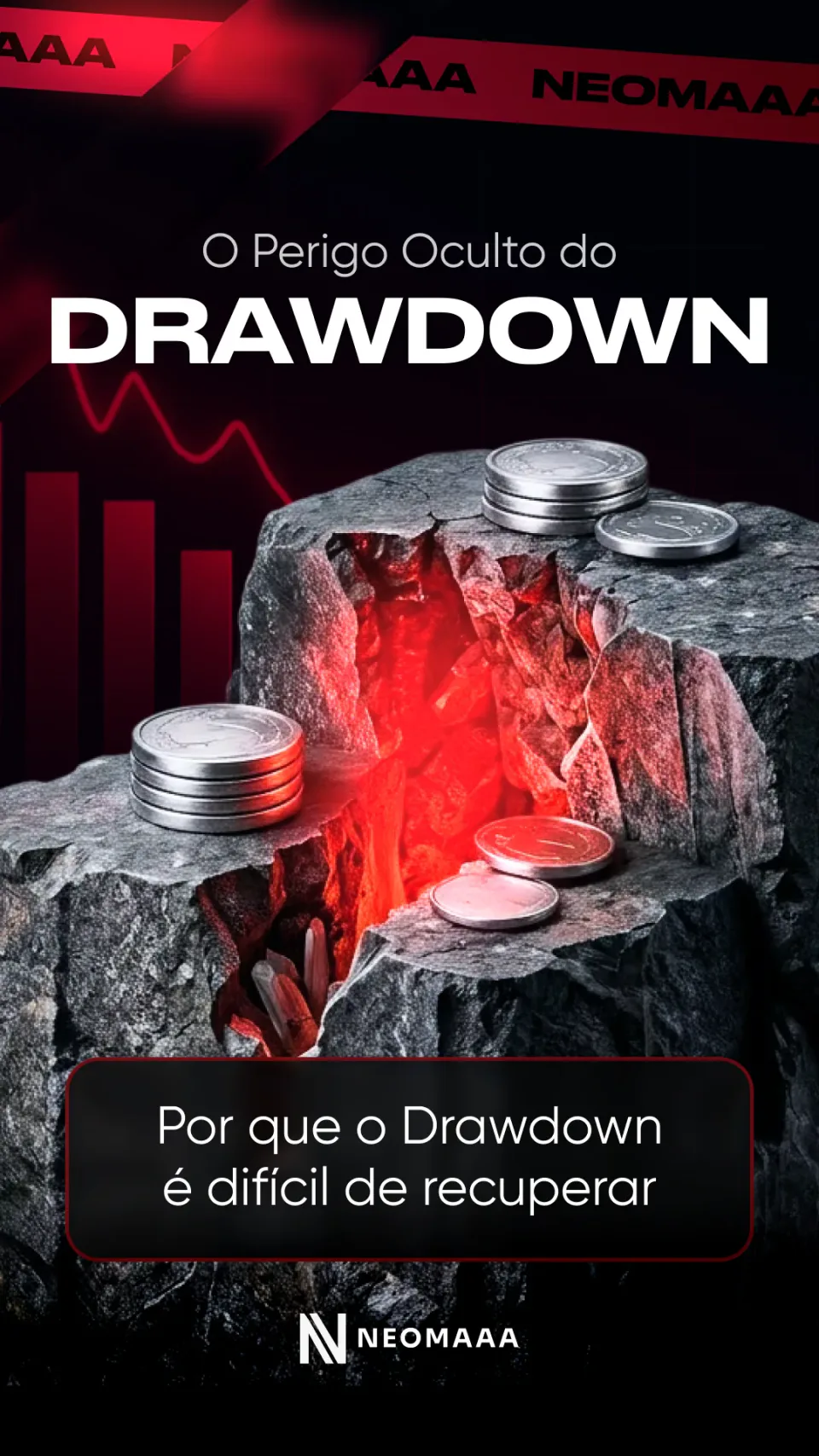
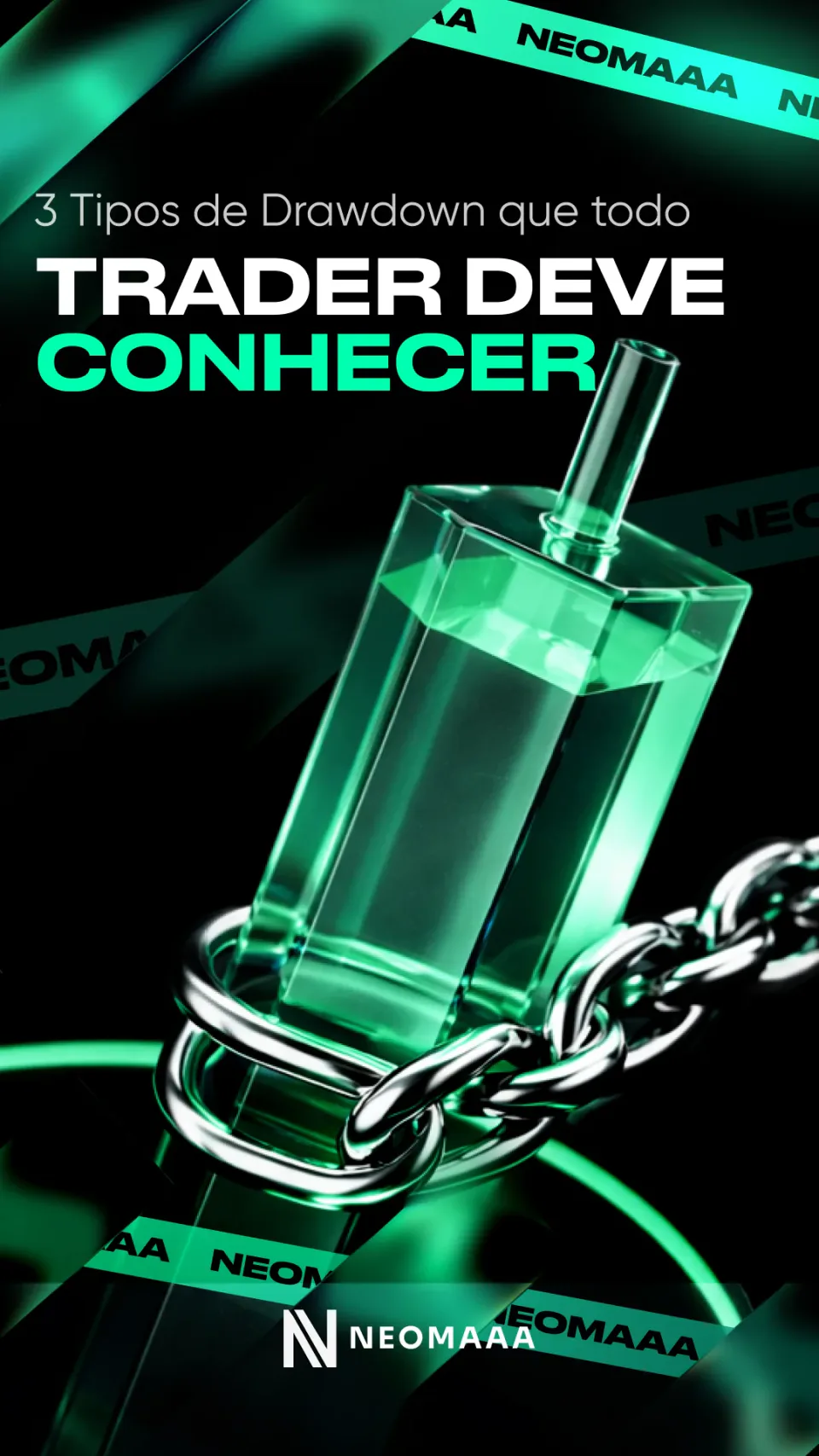
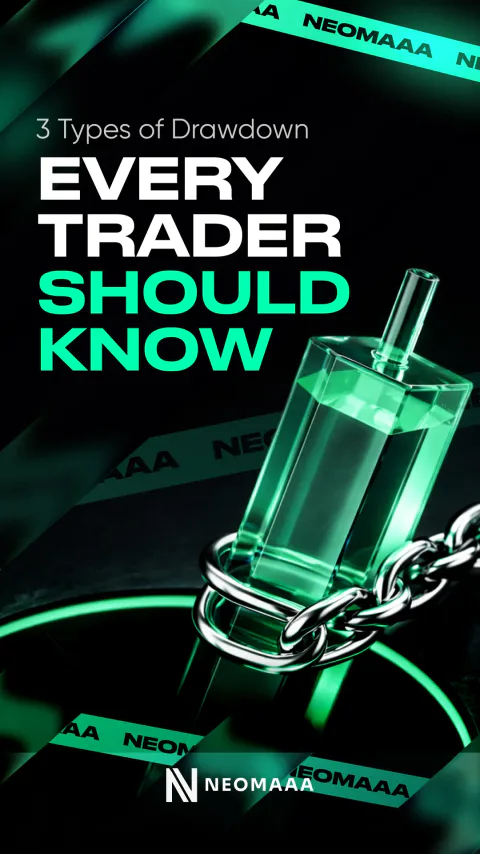
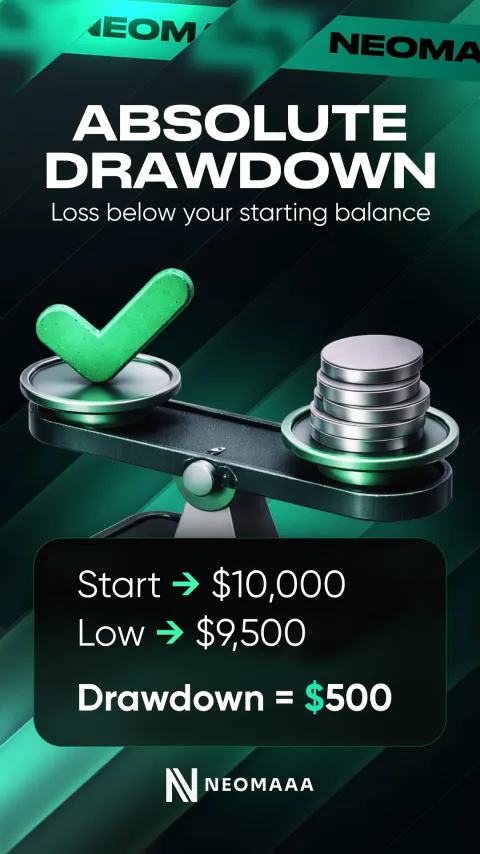
This one runs on real numbers: start 10,000, low 9,500, drawdown 500. The difference between absolute, relative and maximum drawdown gets explained by the arithmetic right there on screen.
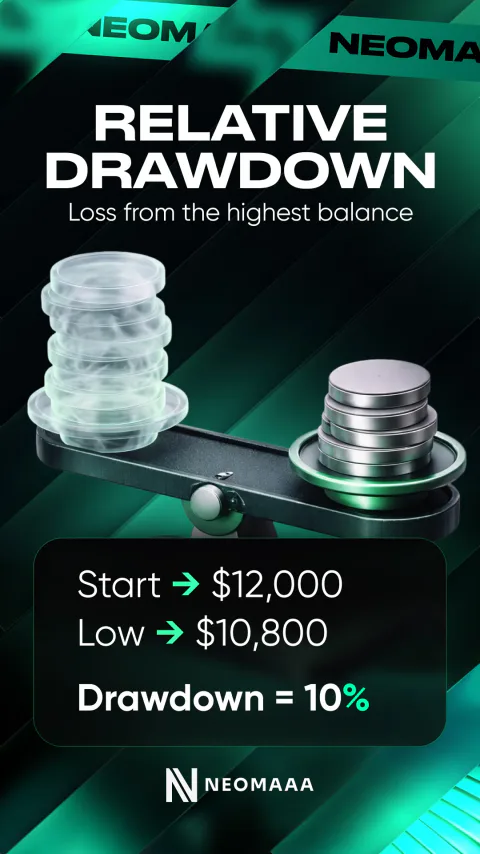

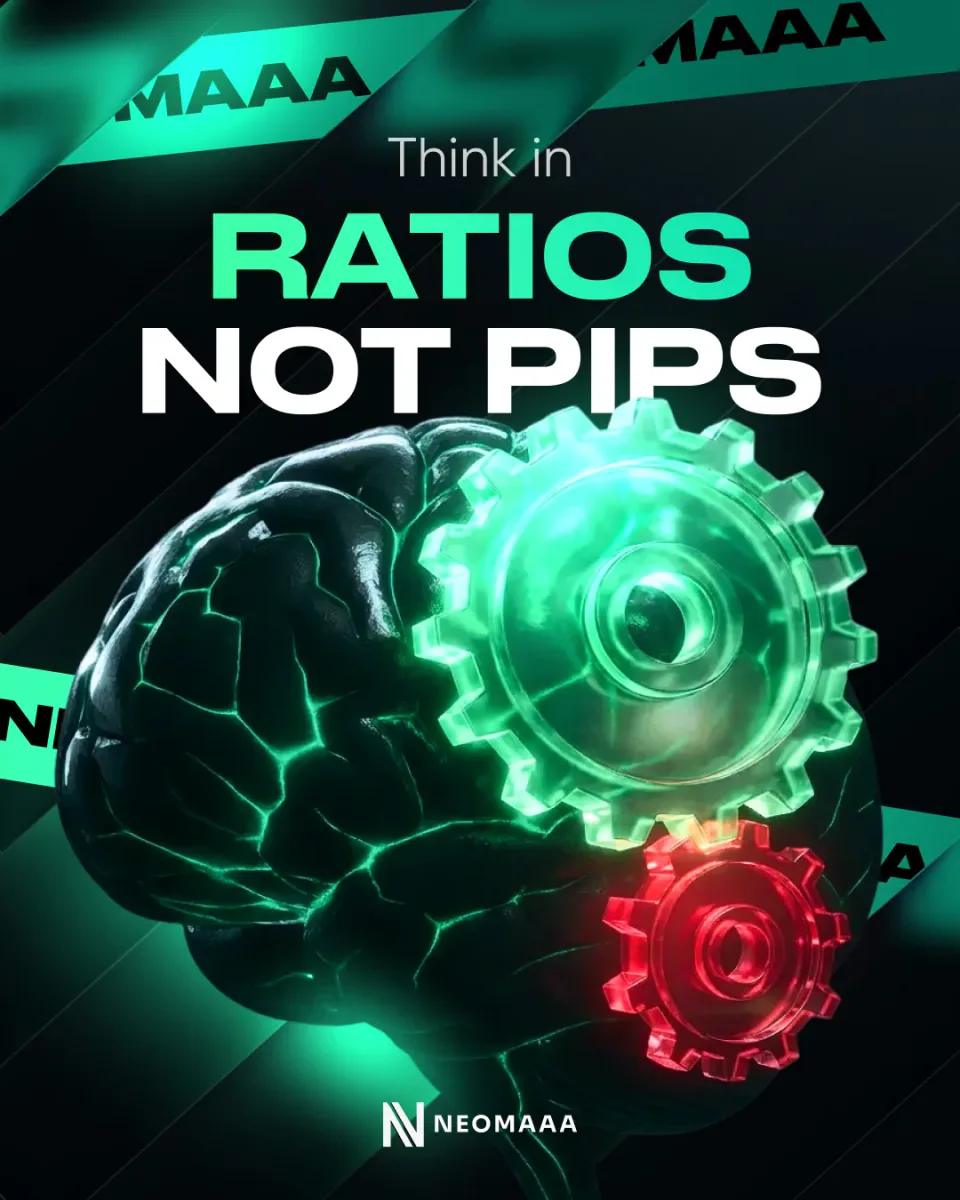
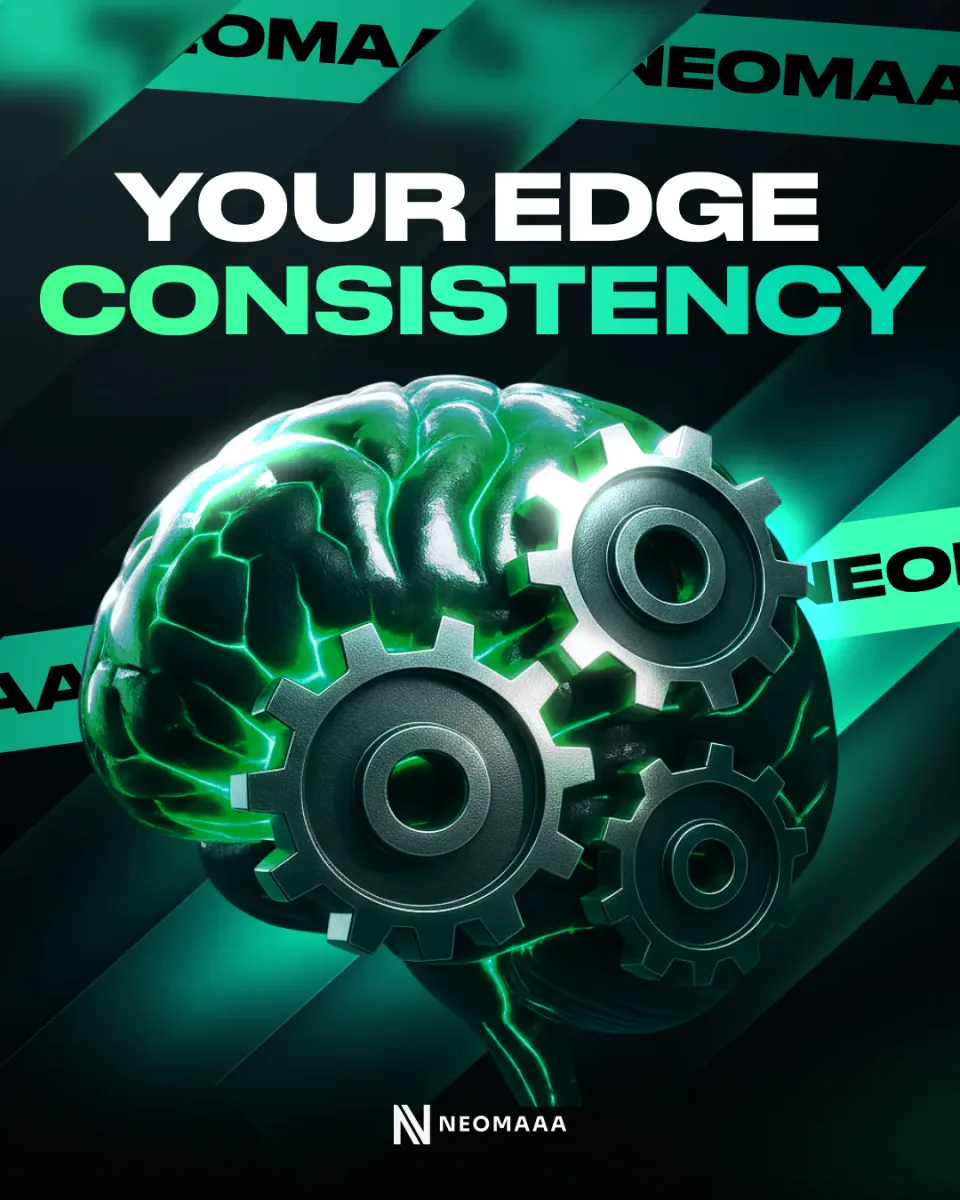
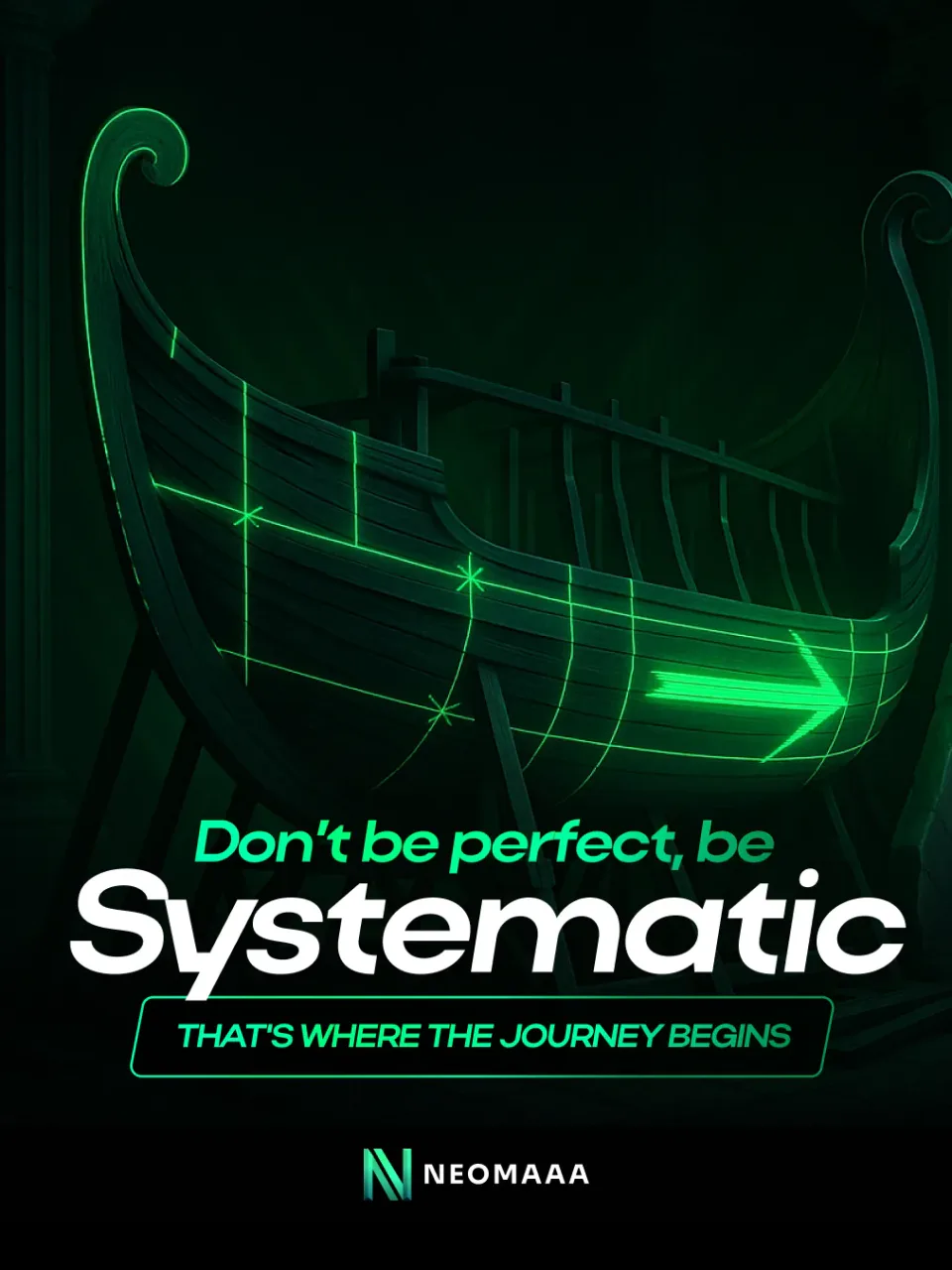
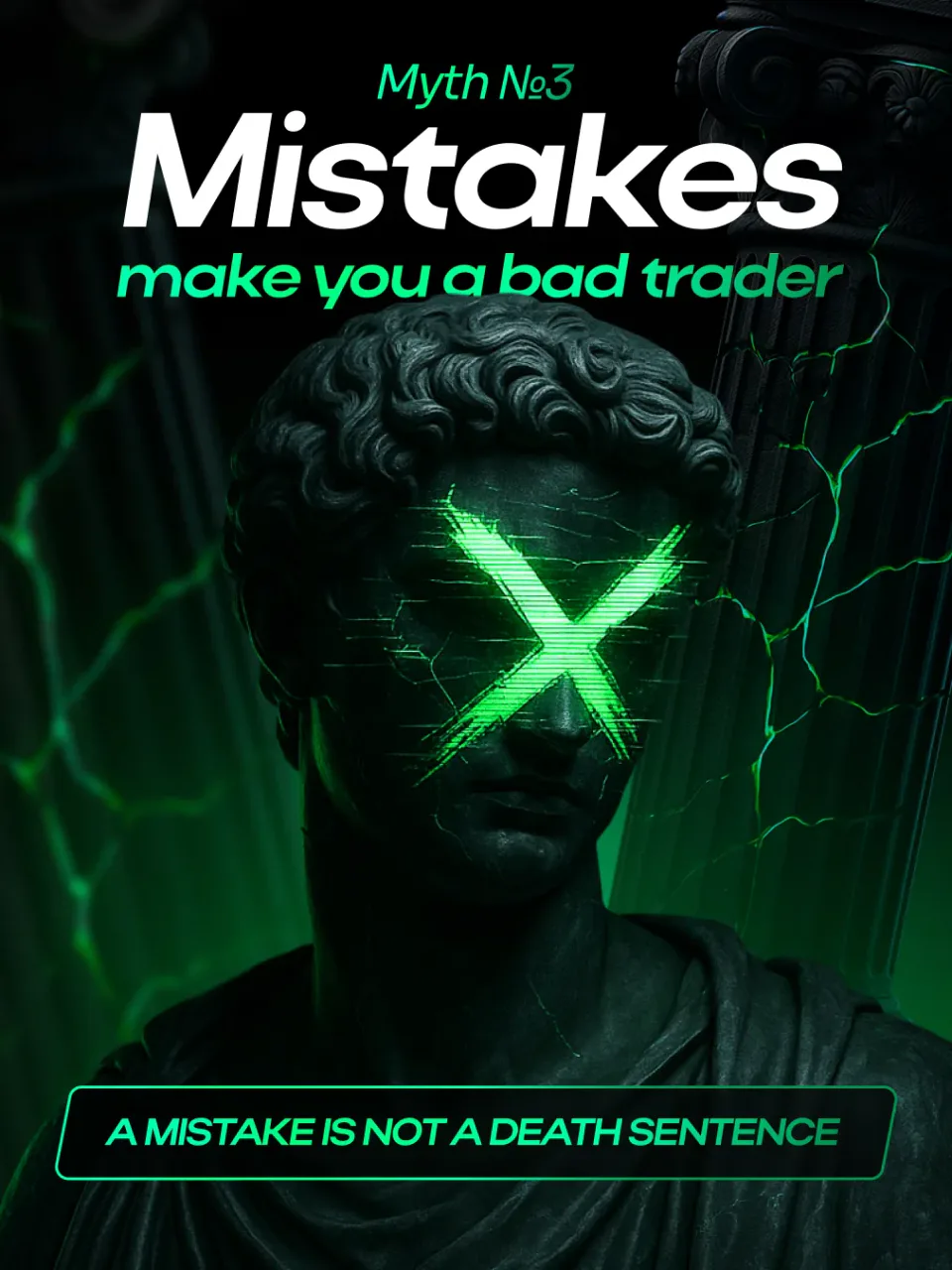
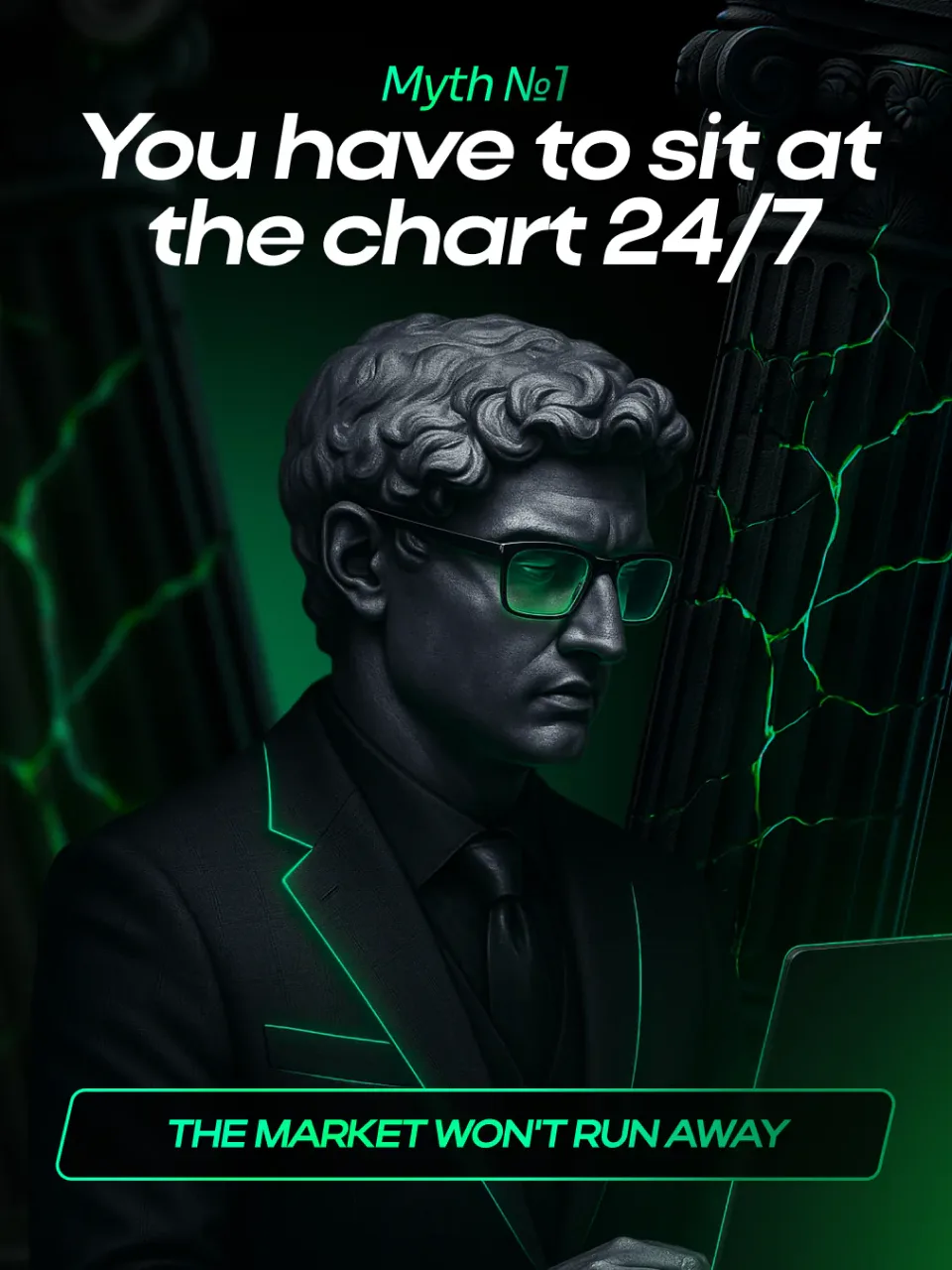
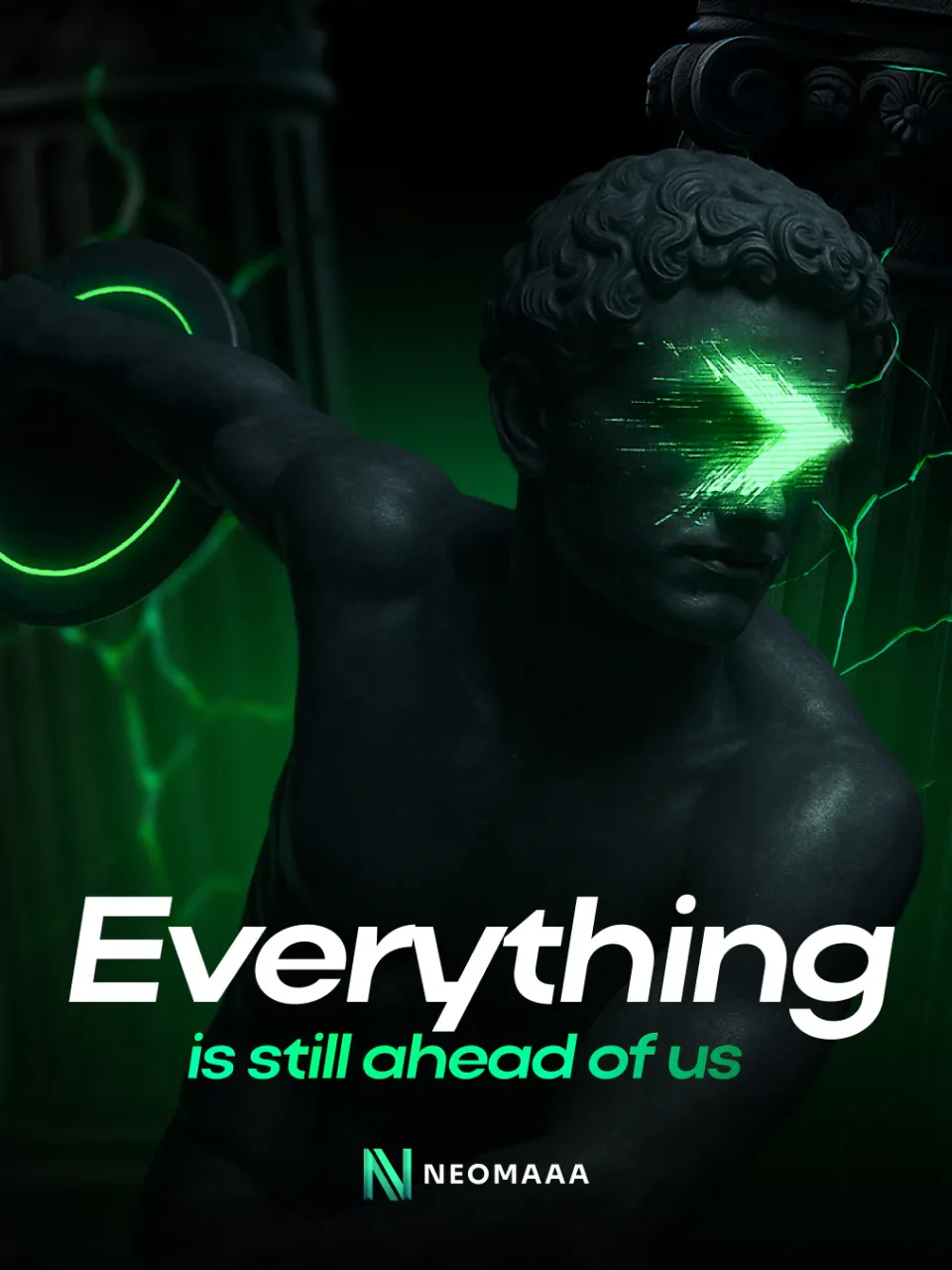
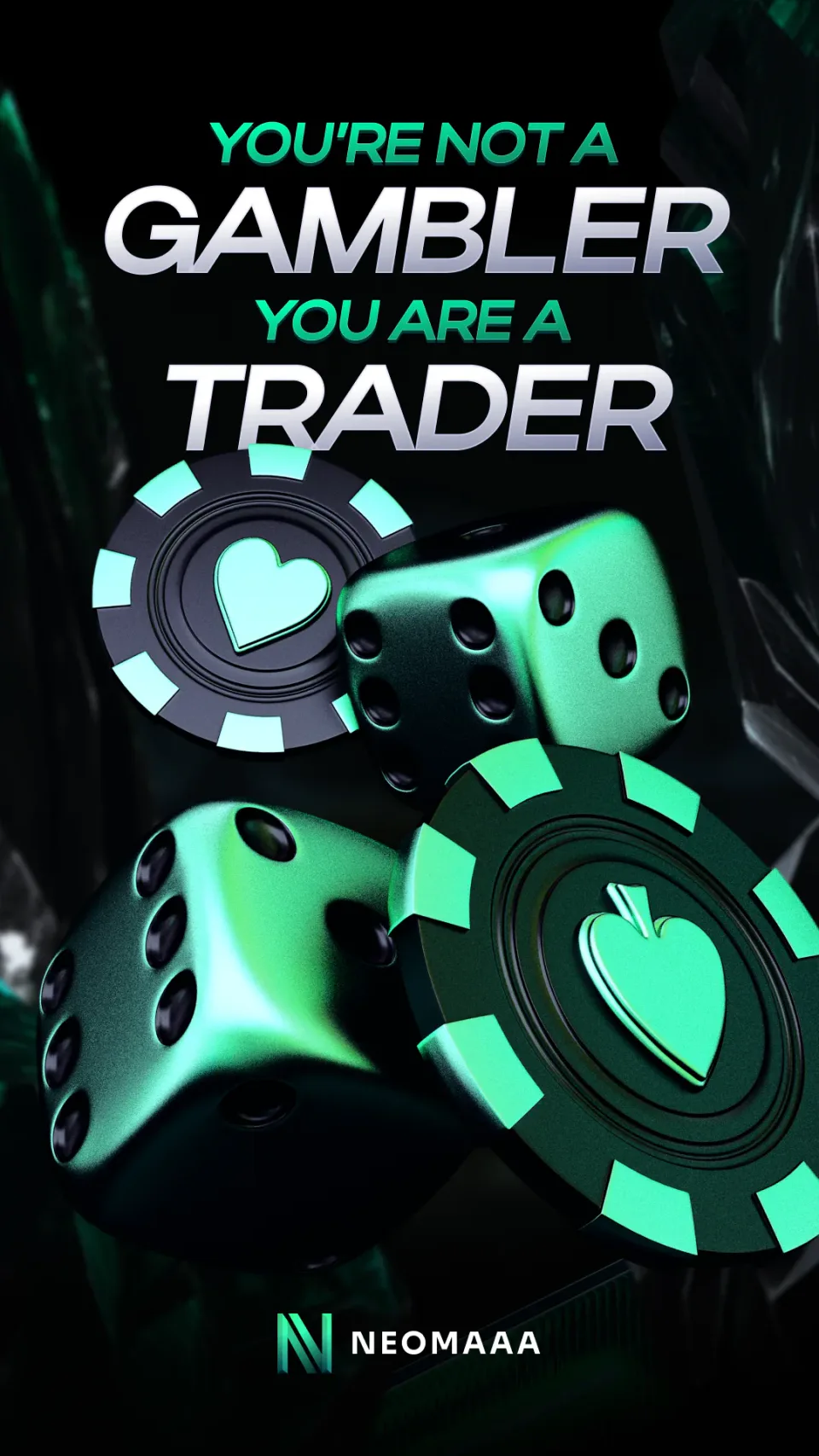
The same subject from the other side: a way of thinking rather than a set of rules. Photography instead of infographics, green instead of red.

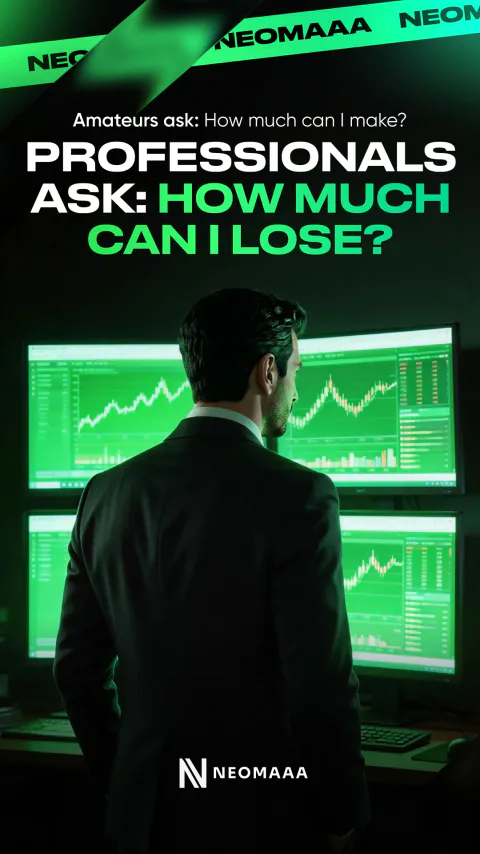
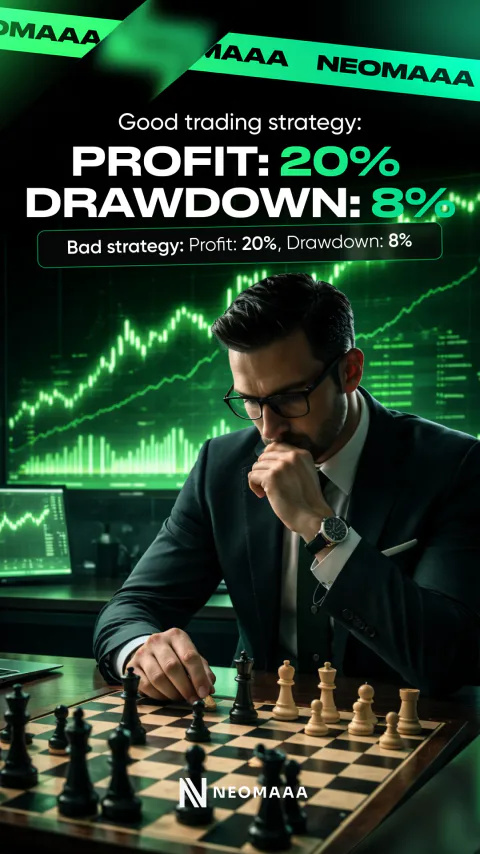
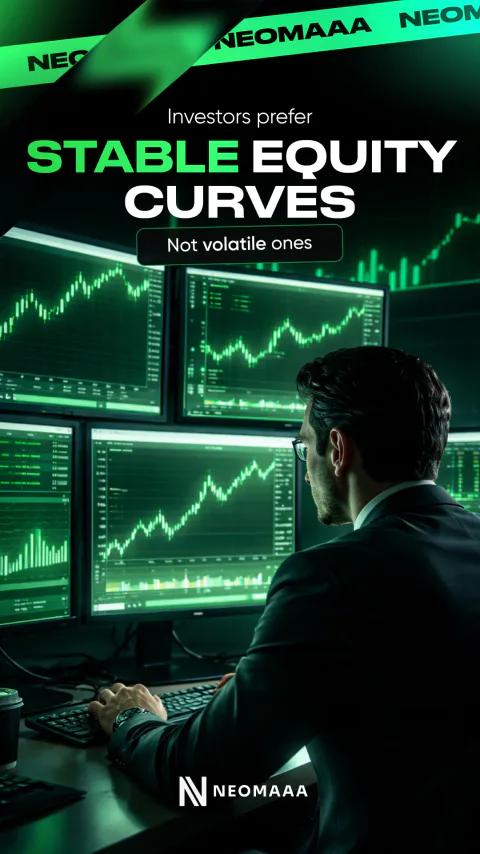

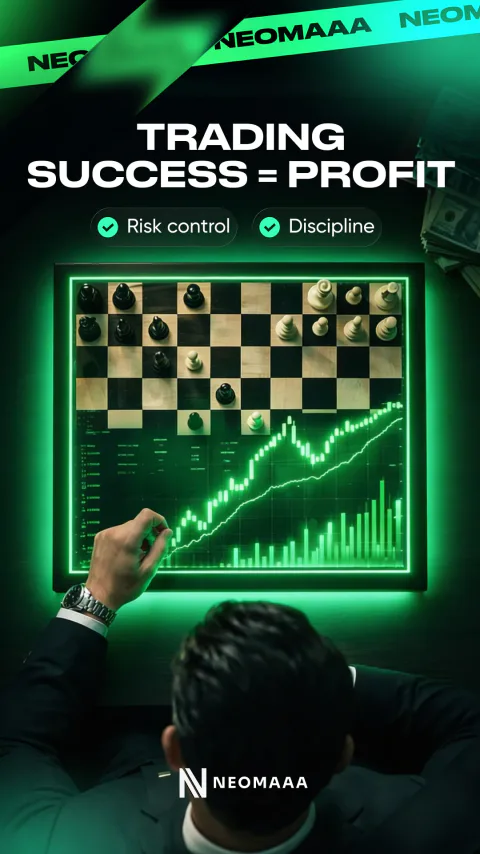
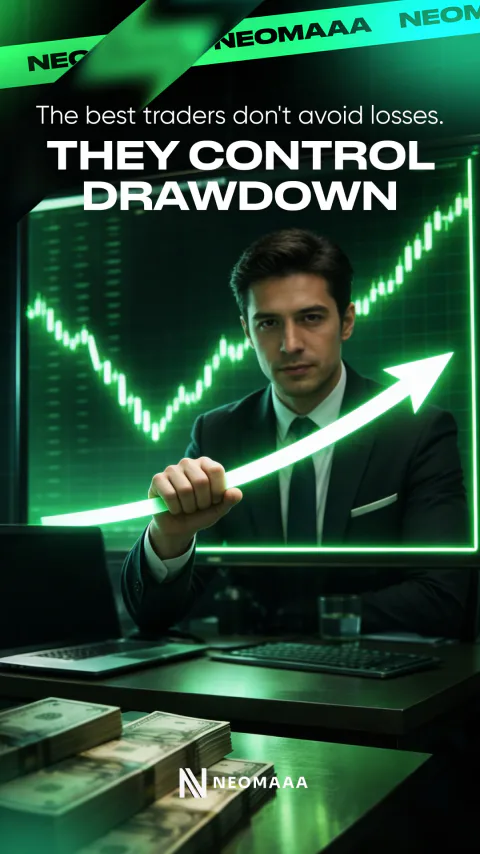
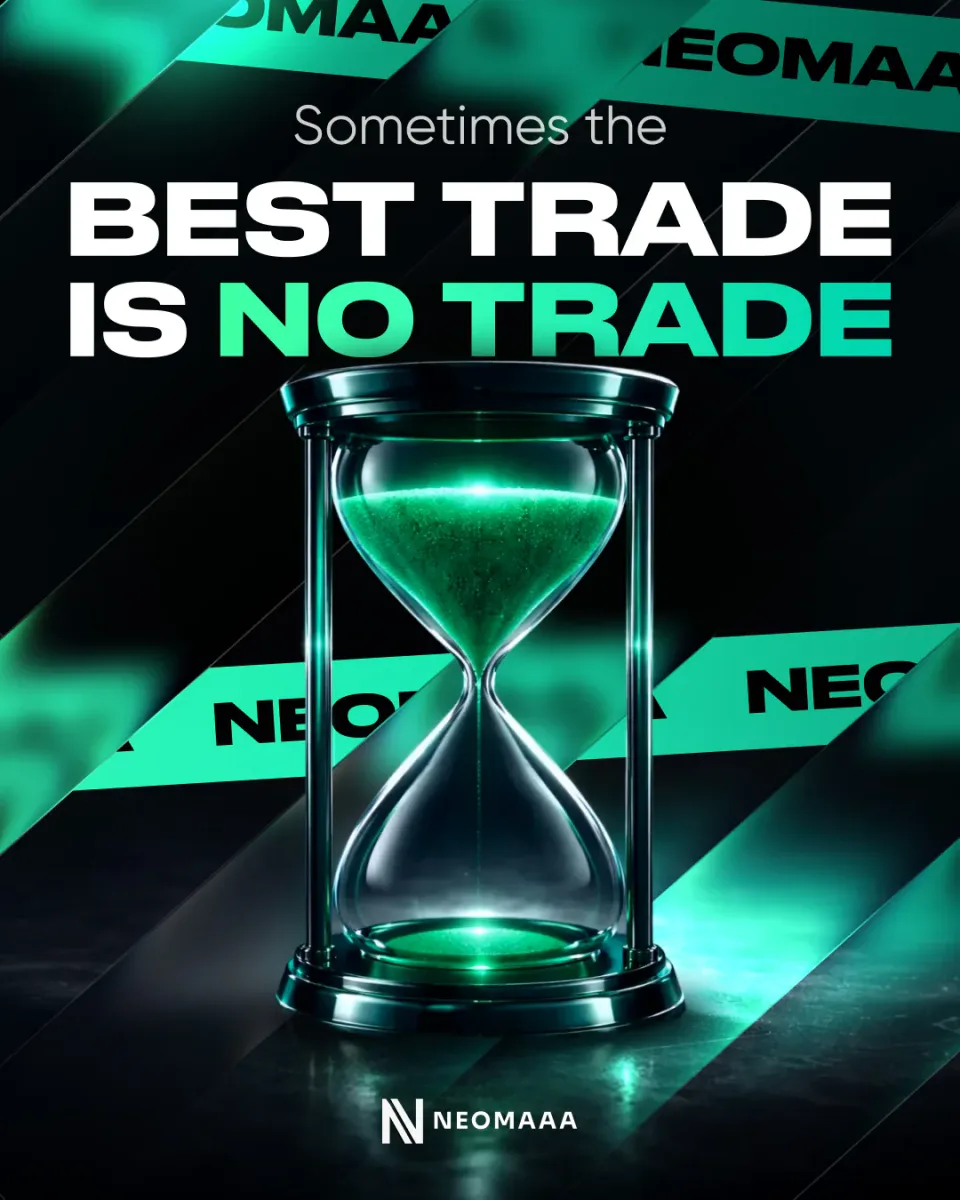
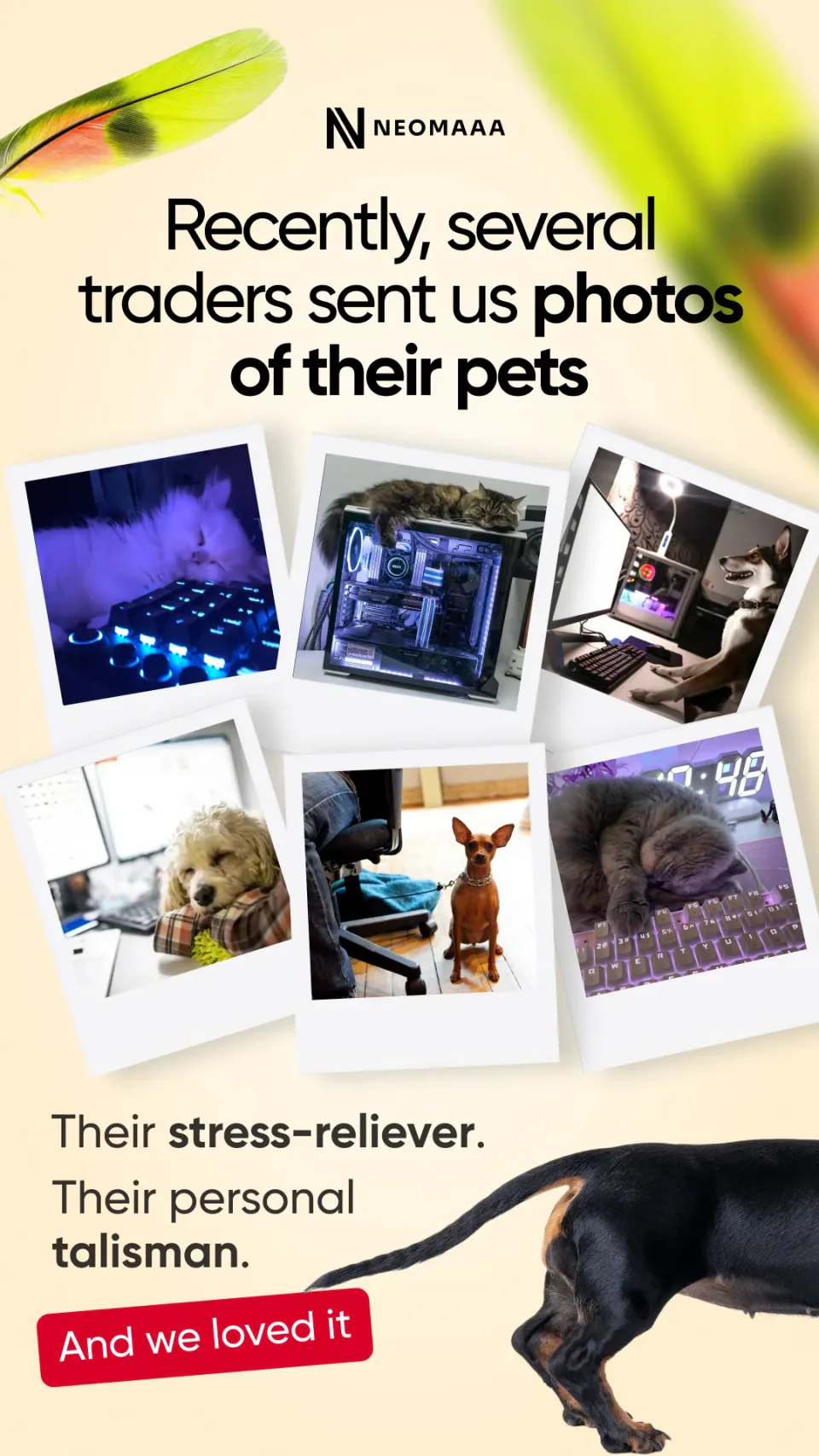
The shortest of them, five slides. It opens on a question, which works better in a feed because it makes you stop.
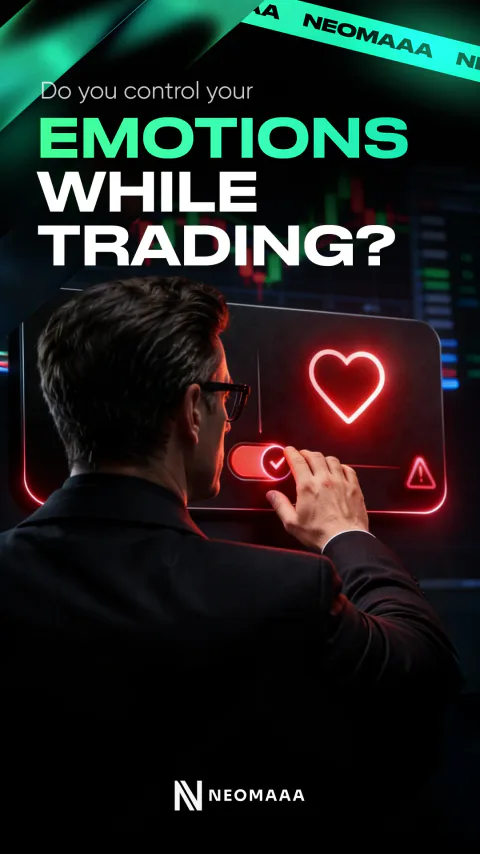

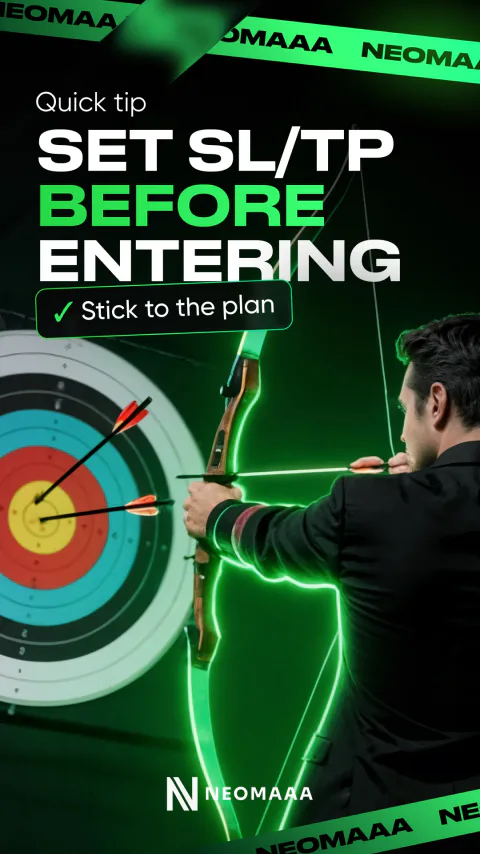
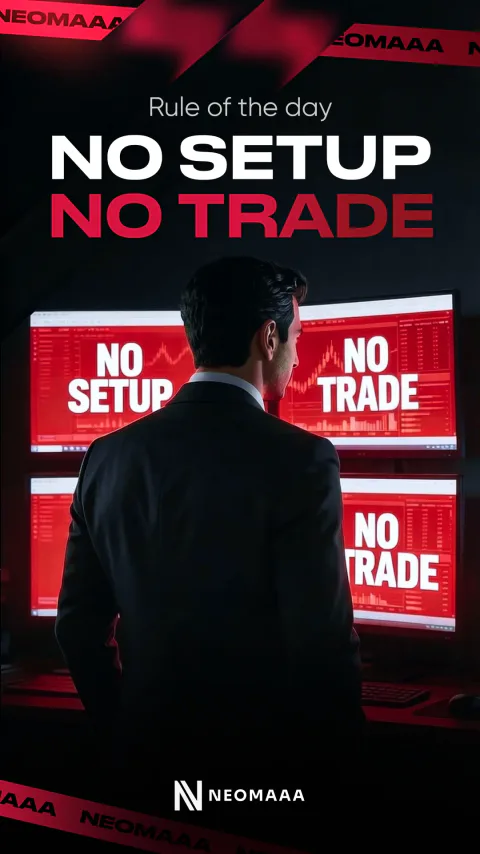

One artboard out of dozens
Everything here went out. None of it is sketches or alternates.
And that’s one artboard out of dozens. The layouts came off the line non-stop, every day.
Figma freezes. The material is produced without pause, in batches.
This isn’t a complaint, it is a description of the pace. I never counted how many layouts came out of it: the one figure I can stand behind is 2,000+ materials in a year. At that flow the question is no longer how to draw one, but how to keep the system intact.
Banners
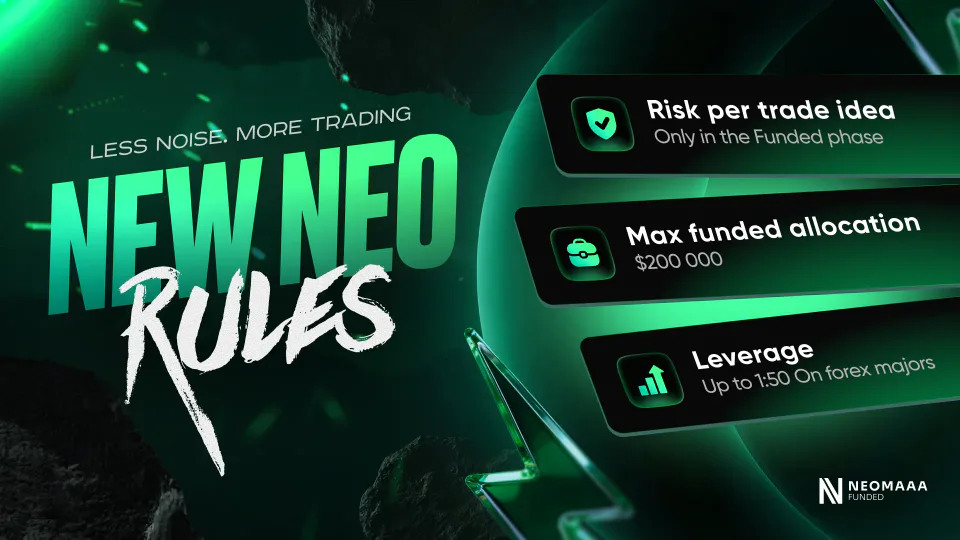
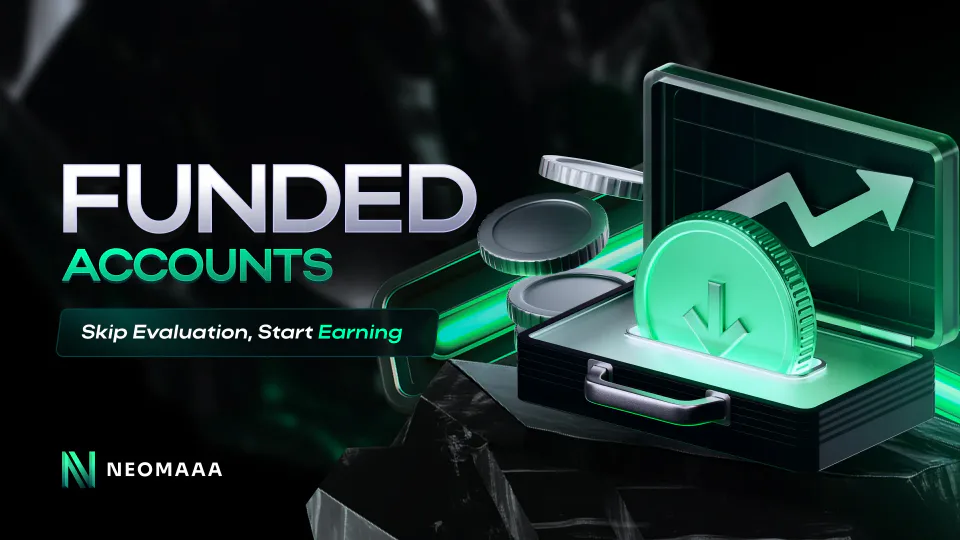
Different occasions, different formats, one visual language: verticals for stories, squares for the feed, horizontals for placements that need a wide frame.
A wall like this only holds together on shared rules. Set the grid, the typography and the way photography and backgrounds are handled once, and after that every new occasion finds its own place.